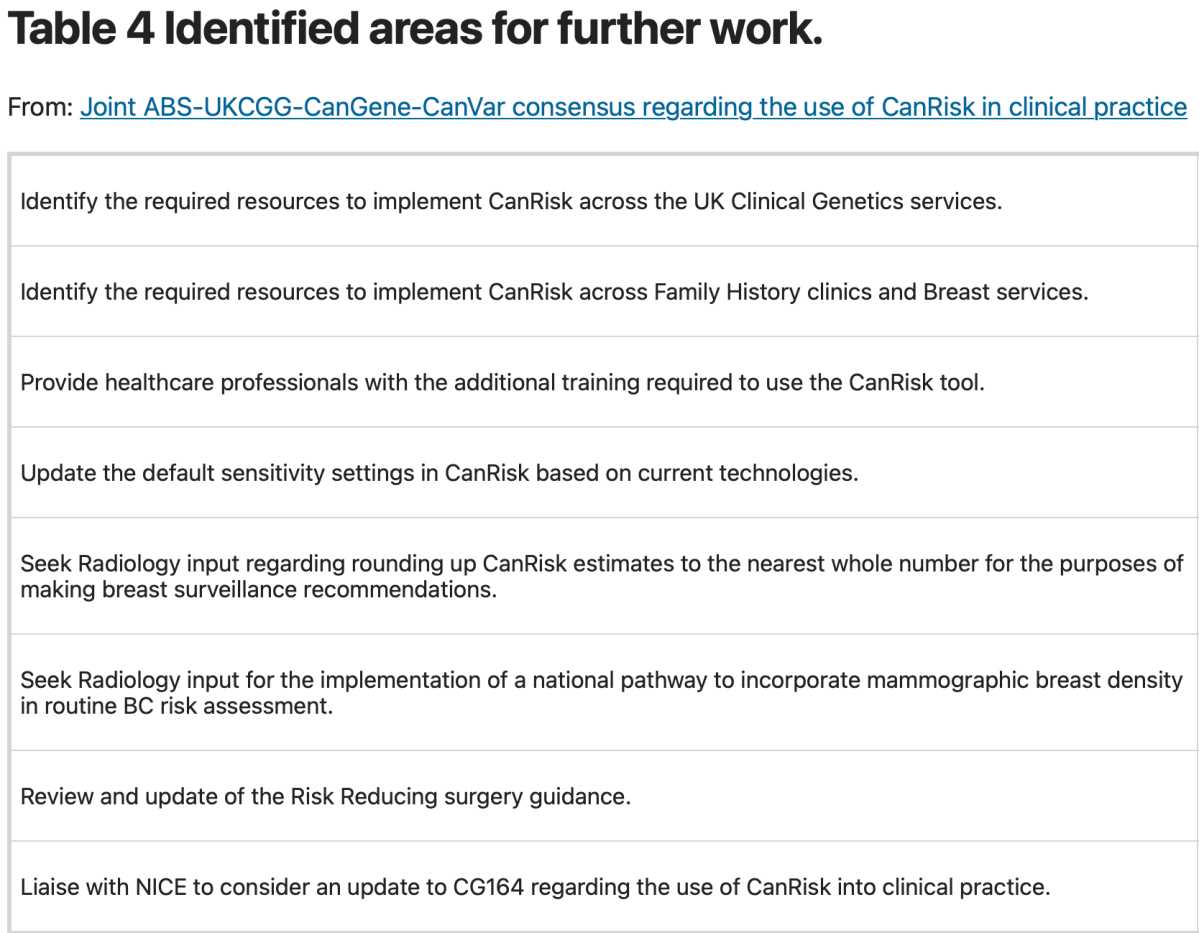
Joint ABS-UKCGG-CanGene-CanVar consensus regarding the use of CanRisk in clinical practice

Background

The CanRisk tool, which operationalises the Breast and Ovarian Analysis of Disease Incidence and Carrier Estimation Algorithm (BOADICEA) is used by Clinical Geneticists, Genetic Counsellors, Breast Oncologists, Surgeons and Family History Nurses for breast cancer risk assessments both nationally and internationally. There are currently no guidelines with respect to the day-to-day clinical application of CanRisk and differing inputs to the model can result in different recommendations for practice.

Conclusions

Whilst consensus recommendations were achieved, the meeting highlighted some of the barriers limiting the use of CanRisk in clinical practice and identified areas that require further work and collaboration with relevant national bodies and policy makers to incorporate wider use of CanRisk into routine breast cancer risk assessments.


https://www.nature.com/articles/s41416-024-02733-4

Aspirin and cancer: the emerging evidence

Professor Peter Elwood Honorary Professor, Cardiff University

There is a remarkable harmony between the effects of aspirin on the biological mechanisms of cancer metabolism and growth, and clinical evidence of reductions in cancer mortality and metastatic cancer spread.

Although aspirin increases the number of bleeds, the severity of bleeds attributable to aspirin is low, and the risk-benefit balance of aspirin appears to be favourable to aspirin.

COULD ASPIRIN STOP THE SPREAD OF COLORECTAL CANCER?

The recent study, carried out at the Chirurgia Generale Unit in Padova, Italy, involved 238 patients who were treated for colorectal cancer between 2015 and 2019. Among these, 31 patients were regular aspirin users, taking a daily dose of 100 mg.

The findings were promising. Regular use of aspirin was linked to a reduction in nodal metastasis, which is the spread of cancer to lymph nodes, and an increase in tumour-infiltrating lymphocytes. These lymphocytes, including T and B cells, play a crucial role in recognising and destroying cancer cells.

Neoadjuvant Immunotherapy in Locally Advanced Mismatch Repair–Deficient Colon Cancer

In patients with locally advanced dMMR colon cancer, neoadjuvant nivolumab plus ipilimumab had an acceptable safety profile and led to a pathological response in a high proportion of patients. (Funded by Bristol Myers Squibb; NICHE-2 ClinicalTrials.gov number, NCT03026140.)

(Neoadjuvant chemotherapy is delivered before surgery with the goal of shrinking a tumor or stopping the spread of cancer to make surgery less invasive and more effective.)

(DMMR =deficient DNA mismatch repair)

https://www.nejm.org/doi/full/10.1056/NEJMoa2400634

‘Gamechanger’ drug that ‘melts away’ tumours could replace surgery for bowel cancer

A “gamechanger” immunotherapy drug that “melts away” tumours dramatically increases the chances of curing bowel cancer and may even replace the need for surgery, doctors have said.

Pembrolizumab targets and blocks a specific protein on the surface of immune cells that then seek out and destroy cancer cells.

In the trial, funded by Merck Sharp and Dohme and sponsored by University College London, researchers recruited 32 patients with stage two or three bowel cancer and a certain genetic profile (MMR deficient/MSI-High bowel cancer) from five hospitals in the UK.

About 15 percent of patients with stage two or three bowel cancer have this particular genetic makeup.

Patients were given nine weeks of pembrolizumab, also known as Keytruda, before surgery instead of the usual treatment of chemotherapy and surgery, then monitored over time.

Results show 59 percent of patients had no signs of cancer after treatment with pembrolizumab, with any cancer in the remaining 41 percent of patients removed during surgery.

Dr Marnix Jansen, a clinician scientist at the UCL Cancer Institute, said more work needed to be done to assess pembrolizumab before it could be considered standard treatment.

https://www.irishtimes.com/health/2024/06/02/gamechanger-drug-that-melts-away-tumours-could-replace-surgery-for-bowel-cancer-say-doctors/

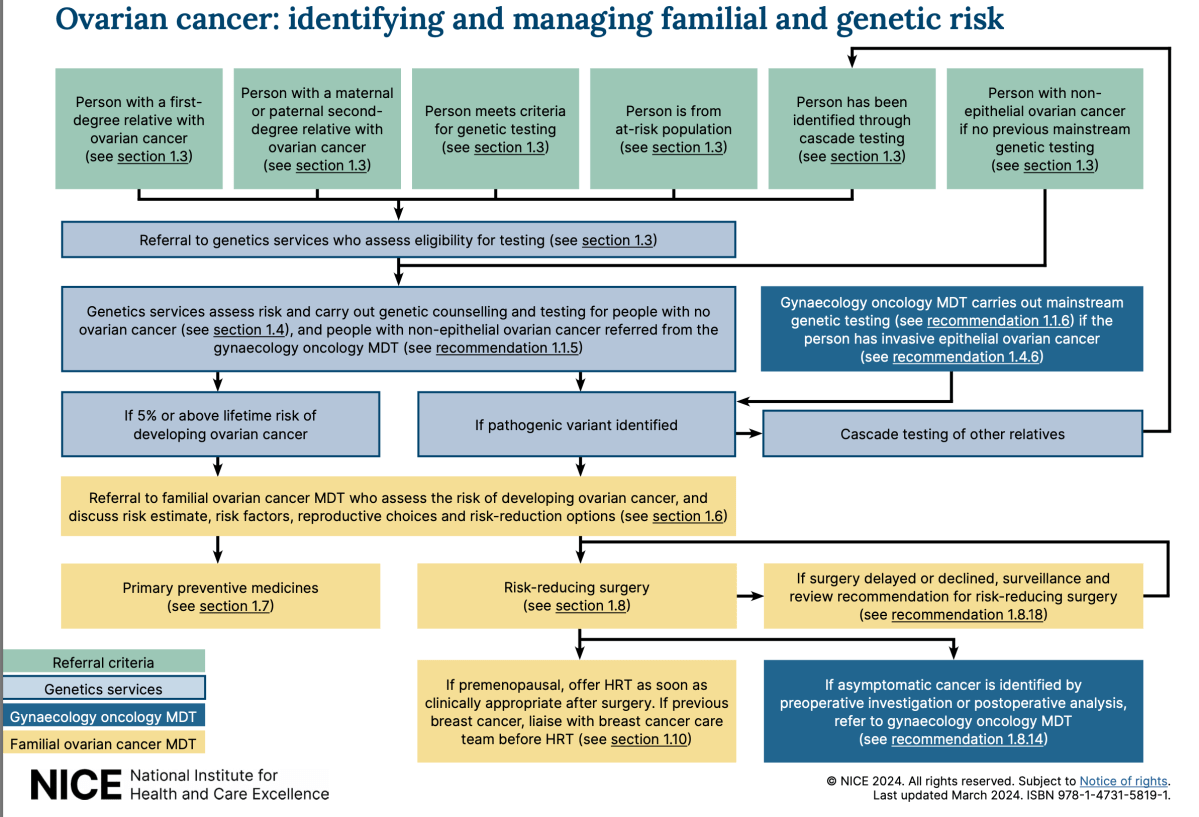
Ovarian cancer: identifying and managing familial and genetic risk—summary of new NICE guidance

https://www.nice.org.uk/guidance/ng241

What you need to know

  • Men and people born with male reproductive organs have a genetic risk of carrying a pathogenic variant associated with ovarian cancer and other cancers 
  • If a person had a direct-to-consumer genetic test and is reported to have a pathogenic variant for which NHS testing is offered, liaise with a regional NHS genetics service to discuss whether referral is appropriate
  • Refer for genetic counselling and testing people who have a first or second degree relative diagnosed with ovarian cancer, those from high risk groups, anyone identified through cascade testing, or those diagnosed with ovarian cancer linked to pathogenic variants
  • For women, trans men, and non-binary people born with female reproductive organs who are at increased risk of ovarian cancer, risk reducing surgery that is age appropriate for their pathogenic variant or family history is the most effective way to reduce the risk of ovarian cancer

Innovative eMERGE study aims to address historical health inequities

Collaborations like the eMERGE IV study can help show how diverse population screening, better communication of test results and integration of genetic information into health risk reports can improve our understanding of how to reduce health risks for all.

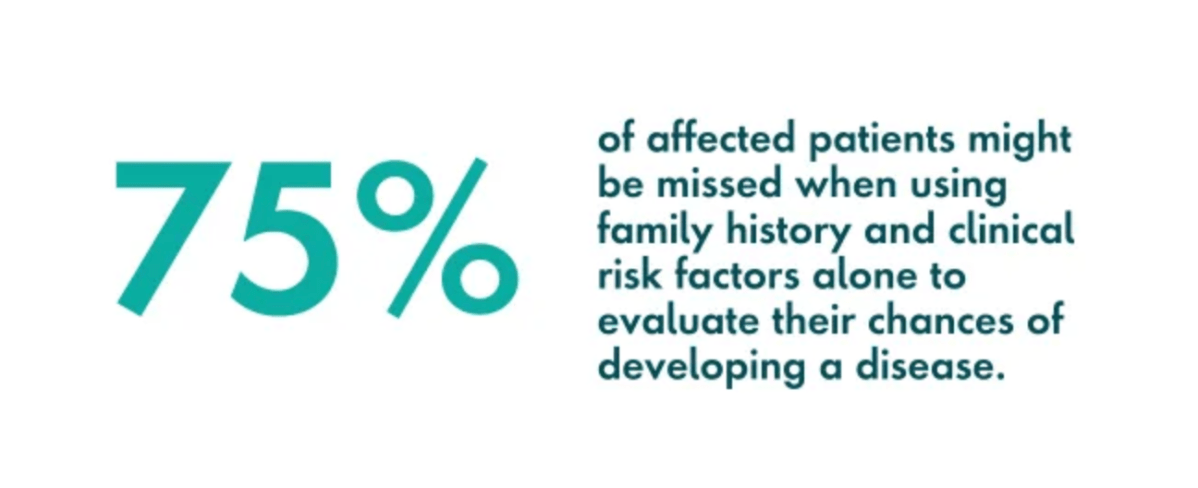
No guidelines exist for proactive genetic testing to understand overall health risks in otherwise healthy individuals with no family history of disease, so comprehensive risk assessments that include genetic testing aren’t yet standard practice for most healthcare practitioners.

https://blog.invitae.com/innovative-emerge-study-aims-to-address-historical-health-inequities-0a20fd9c3691

Understanding Cancer Ghosting: The Impact of Diagnosis on Relationships

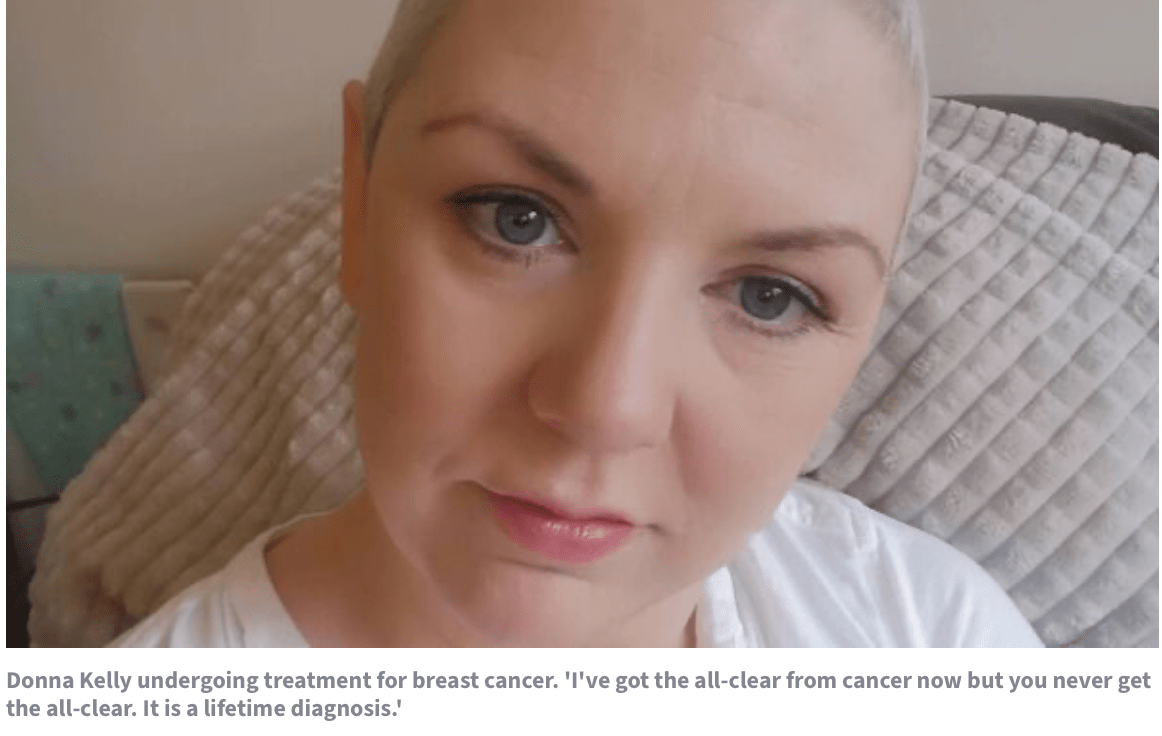
Never heard of the term ‘cancer ghosting’? until you realise that a lot of your friends stop contacting you when you received your cancer diagnosis.

“I felt that people had so much to be getting on with in their own lives and when you’ve been given a cancer diagnosis, you need so much support and care that a lot of the time, people can’t give you that because of what’s going on in their own lives.”

“So when they ask how are you, you go, ah I’m grand and then you go indoors, close the doors and cry because we aren’t comfortable with our emotions either. So I guess we all have a role to play.

“People say don’t be afraid to ask for help and when people offer, you refuse. I’d say to anyone with any illness to ask for help and be specific. Ask them to do a school run or make dinner for the week, give them things to do.

“And most importantly to anyone whose friend has been diagnosed with cancer — send that text.”

https://www.irishexaminer.com/news/arid-41399758.html?fbclid=IwZXh0bgNhZW0CMTEAAR2IZ3lqE3cceBJia_8YQubtmK-HQsijf2q60sfwWB73Ifk7_EAMYAVwL_4_aem_AWsgv8g_4Oqmrj63tZ18kODYkAWqimsAo8gjw1l8ZQJhI4ErYYEvBs7qkTRUWMWi2kdFIK6nW7ZhGbT4Clmrt474

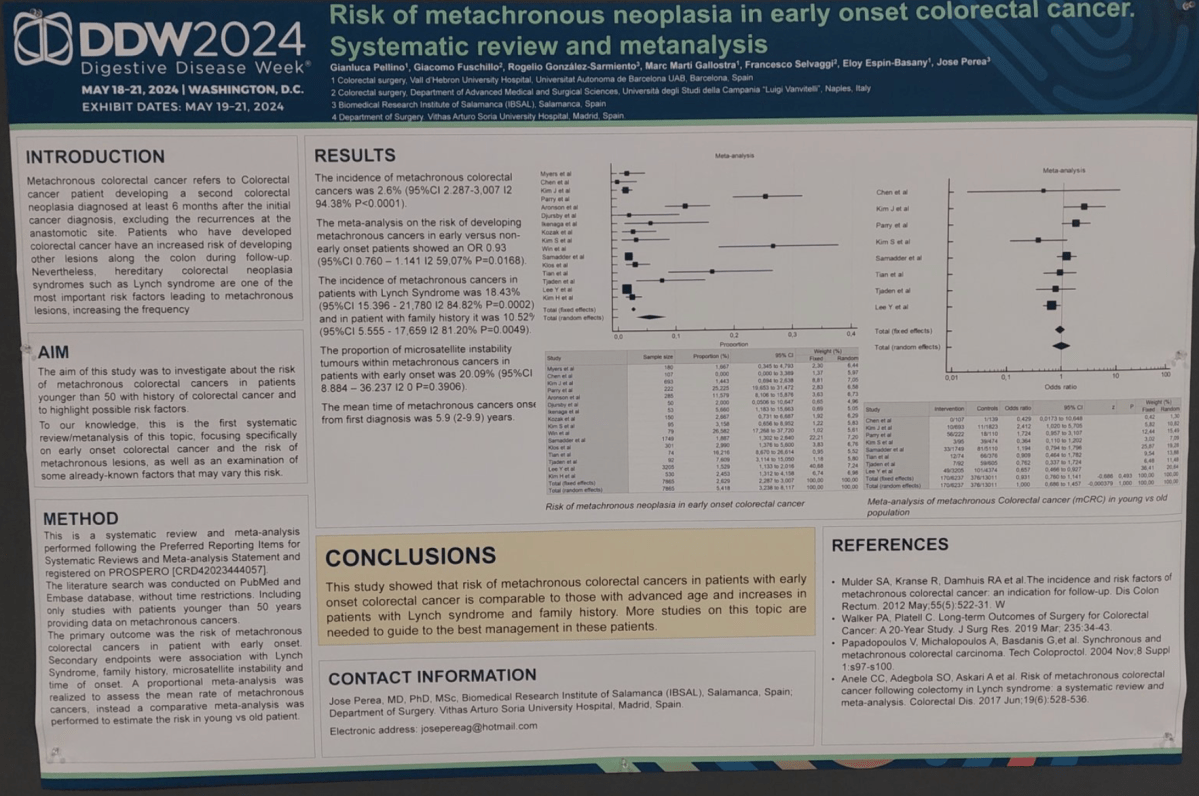
Metachronous Colorectal Cancers Risk in Early Onset Patients

This study showed that risk of metachronous(second new cancer that develops at least six months from the first cancer) colorectal cancers in patients with early onset colorectal cancer is comparable to those with advanced age and increases in patients with Lynch syndrome and family history.

More studies on this topic are needed to guide to the best management in these patients.

“Uninsurable because of a genetic test”: a qualitative study of consumer views about the use of genetic test results in Australian life insurance

Genetic testing can provide valuable information to mitigate personal disease risk, but the use of genetic results in life insurance underwriting is known to deter many consumers from pursuing genetic testing.

Many countries have restricted the use of genetic test results to assess individuals for risk-rated insurance products. Canada adopted the Genetic Non-Discrimination Act (GNA) in 2017, which prohibits the use of genetic information in services including insurance, with no exceptions or financial limits.

Participants stated a strong preference for government regulation to ensure adequate protection against Genetic Discrimination in life insurance and provide certainty to individuals considering genetic testing. The Australian Government is now considering its policy response to its public consultation into the use of genetic results in life insurance underwriting.

Small Study:  Results show low trust in the life insurance industry’s self-regulation, and strong support for legislation from the Australian Government. Even after the introduction of the moratorium, these consumers remained concerned about the implications of their genetic test results on life insurance, and these concerns affected decision-making about genetic testing. Participants also showed little knowledge of the moratorium, or were concerned about others not being informed about it.