Nous-209 off-the-shelf neoantigen immunotherapy induces robust neoantigen T cell response with the potential to intercept cancer in Lynch syndrome carriers 

Cancer interception represents a new approach, aimed at targeting precancerous lesions and therefore preventing cancer occurrence. Lynch syndrome is one of the most prevalent hereditary cancer syndromes, with an estimated prevalence of one in 300, and high-risk predisposition to several types of cancer, with up to 80% lifetime risk to develop CRC.

Loss of MMR proteins causes an accumulation of mutations in the microsatellite sequences, known as Microsatellite instability (MSI), that can lead to shared frameshift mutations .

Nous-209 is a neoantigen directed immunotherapy encoding 209 FSP shared across sporadic and hereditary MSI tumors and precancer lesions in clinical development for interception and treatment of MSI tumors (Leoni et al., 2020; NCT04041310).

Reported are the full set of safety and immunogenicity results of a Phase Ib/II study of Nous-209 monotherapy in LS carriers. (45 enrolled) Neoantigen specific immune responses post Nous-209 were observed in 100% of evaluable participants (37/37)

The complete safety and immunogenicity results from this Phase Ib/II trial support the further development of Nous-209 monotherapy, highlighting its potential to efficiently stimulate the immune system and intercept cancer in LS carriers.
https://aacrjournals.org/cancerres/article/85/8_Supplement_1/6427/758888/Abstract-6427-Nous-209-off-the-shelf-neoantigen

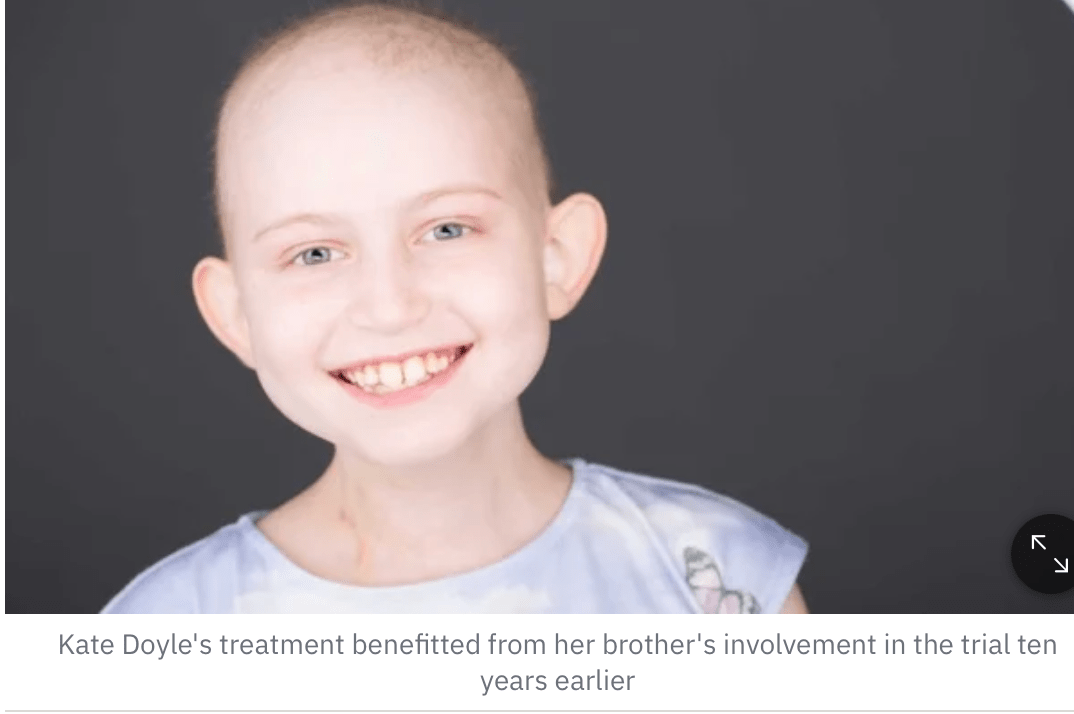
‘Phenomenal’ – study hailed a significant milestone in child cancer care

Professor Owen Smith, Consultant Paediatric Haematologist at Children’s Health Ireland (CHI), has launched Ireland’s first clinical study of genomics approaches in cancer care.

Genomic sequencing allows medical teams to better identify cancerous cells and target them specifically.

“We need to stop carpet bombing cancers and go for a more sniper fire or precision way of killing the cancer and reducing the side effects to the patient,” Prof Smith said.

“Genomic sequencing of the cancer and the patient will allow us to define the patients where chemotherapy can be safely reduced,”

The primary objective of MAGIC-I is to evaluate the clinical and health economic impact of implementing genomic diagnostics in paediatric cancer care in Ireland.

Metachronous colorectal cancer risks after extended or segmental resection in MLH1, MSH2, and MSH6Lynch syndrome: multicentre study from the Prospective Lynch Syndrome Database

According to the European Hereditary Tumour Group’s latest position report, LS is now considered an umbrella term for four distinct types of LS: MLH1 syndrome, MSH2syndrome, MSH6 syndrome, and PMS2 syndrome. These syndromes vary with regard to the age of onset of the associated cancers, sex predominance, and cancer incidence rates.

PLSD: Analysis of 8500 path_MMR carriers undergoing colonoscopic surveillance .

The aim of this study was to prospectively evaluate the risk of metachronous CRC, stratified by gene and the extent of the resection in previous surgery, contributing to the ongoing discussion on surgical strategies for LS patients.

A common drug sitting in your medicine cabinet right now may help fight cancer

It’s been a go-to for headaches, fevers, and sore muscles for over a century. But new research suggests that aspirin—the everyday over-the-counter medication sitting in your cabinet—might also have another, far more unexpected use as an anti-cancer drug.

A 30-year study from researchers at Harvard is catching attention

By analyzing data from over 100,000 people, researchers found that taking aspirin at least twice a week was associated with a reduced risk of colorectal cancer—but especially among people who don’t follow other health guidelines, like eating well or not smoking. So, while it isn’t a mind-blowing anti-cancer drug, it could very well have some promising potential to become one.

These newest findings could point toward a future where aspirin is used strategically based on someone’s genetic makeup and lifestyle risk factors to help treat dangerous cancers. However, there’s still reason for caution (Aspirin carries several known side effects, including the risk of stomach bleeding, especially in people over the age of 70. That’s why researchers are increasingly calling for personalised guidelines rather than blanket recommendations when treating it as an anti-cancer drug)

https://bgr.com/science/a-common-drug-sitting-in-your-medicine-cabinet-right-now-may-help-fight-cancer/

Outcomes of endometrial cancer prevention strategies in Patients with Lynch syndrome: a nationwide cohort study.

Female Lynch syndrome carriers have an increased risk of developing endometrial cancer. Regardless, research on endometrial carcinoma tumorigenesis is scarce and no uniform, evidence-based gynaecological management guidelines exist. We therefore described gynaecological surveillance and surgery outcomes in a nation-wide Lynch syndrome cohort.

Interpretation: In a nation-wide cohort of Lynch syndrome carriers, nearly one-third of eligible carriers did not undergo gynaecological surveillance. Endometrial carcinomas diagnosed during surveillance were slightly more often stage FIGO IA, but this did not seem to substantially decrease the requisite for adjuvant therapy or affect overall survival, questioning effectiveness of current gynaecological management. Prospective research should further assess this, as well as patient preferences.

What is the Lynch syndrome registry? (UK)

Lynch syndrome can run in families. It increases your risk of being diagnosed with bowel cancer, as well as other cancers including endometrial (womb), ovarian, stomach, bladder, kidney, and skin cancers. This condition is diagnosed by having a genetic test.

The Lynch syndrome registry records and analyses important information about people with Lynch syndrome. This helps to understand how people with Lynch syndrome are looked after and cared for across England. All information is held on a secure and confidential computer database.

Why have a Lynch syndrome registry? 

The focus of the Lynch syndrome registry is to address the differences in access, quality and timeliness of regular check-ups that people with Lynch syndrome in England currently experience.

The registry will collect information from people with Lynch syndrome and help us to better understand how these people are currently being monitored and managed. 

https://www.40tude.org.uk/news/kevin-monahan-award-25

https://lynchregistry.org.uk/#:~:text=The%20Lynch%20syndrome%20registry%20records,secure%20and%20confidential%20computer%20database.

Lynch Syndrome Cancer Prevention Vaccine: What is the Latest? Dana- Farber Cancer Institute

Dana-Farber researchers are running a clinical trial testing a cancer vaccine that trains the immune system to very specifically recognize the kinds of cancer cells that are likely to develop in people with Lynch syndrome — and eradicate them before they develop into cancer. 

New report : How can we improve the experience for people who need to be screened for Lynch syndrome?-NHS

Recommendations:

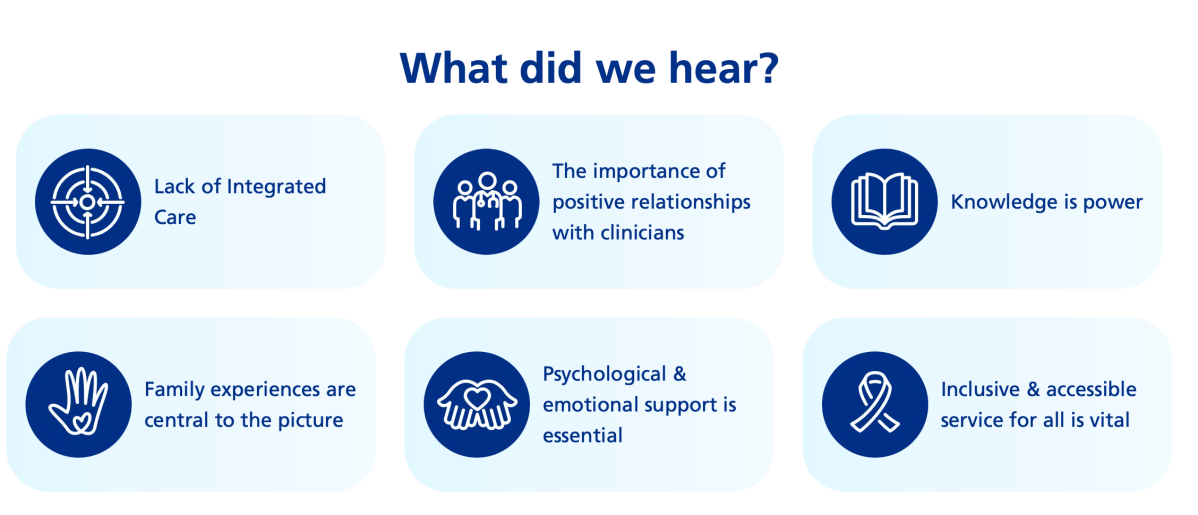
Training for GPs & oncologists in Lynch syndrome needs to be a priority. 
Improved communication between services about the Lynch syndrome pathway 
Taking a person-centred approach to Lynch syndrome 
Every patient should have a named contact in a mainstreamed clinic 
All clinicians providing mainstreamed clinics should have access to appropriate guidance. This knowledge can then be shared with patients at the point of care 
Reduce pathway variation and ensure geographical equity of care. 
Dedicated, specialist clinicians trained in Lynch syndrome mainstreaming should be provided for all patients 
Standardised patient information should be created and utilised across all regions and NHS providers 
Lynch Syndrome App should be widely promoted among healthcare providers to help increase awareness of the condition. 
Everyone diagnosed with Lynch Syndrome should be given information about Lynch Syndrome UK 
Standardised information about ‘Living with Lynch’, talking to relatives, family planning, and mental health support should be created. 
New processes around cascade testing should be considered to improve support and information provided for the patient and their families. 
Consider concerns of/about family members 
Regular, clear and consistent communication for patients whilst awaiting appointments or results is necessary. 
Increased psychological support 
Training given to all clinicians (not just those working with Lynch) about gender inclusivity and how to ensure that patients feel welcomed and respected within any NHS service.

https://southeastgenomics.nhs.uk/new-report-how-can-we-improve-the-experience-for-people-who-need-to-be-screened-for-lynch-syndrome/

15 Years in Cancer Research: A Journey of Curiosity, Resilience and Collaboration

I have also learnt along the way that people have very different opinions about how to do research, what is important and not, and how you should spend your time at work and outside the working hours. My advice is to find your inner voice and stay faithful to your values and goals. Listen and learn by your colleagues, friends and family, but don’t let others decide what is right for you

Access to New Drugs….

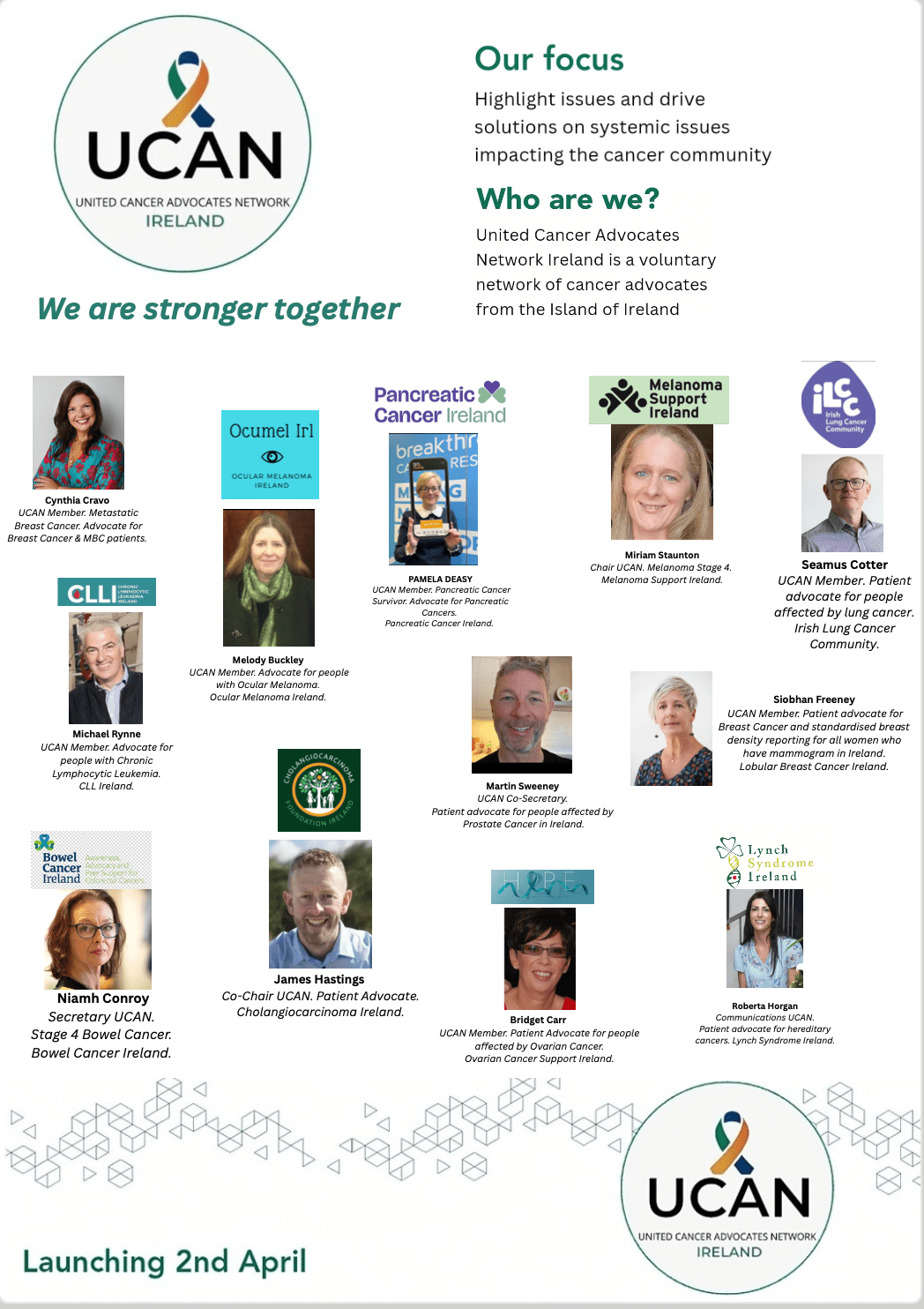
Matt Cooper the Last word. Miriam Staunton Talks about UCAN Ireland launch and problems around access to New Drugs. Listen back here

https://www.goloudplayer.com/episodes/access-to-new-drugs-most-pressin-MDA3YjQ0ZjY4ZTdjNGY1MDMxMDlhMGJmZjk2OTgyMDM=