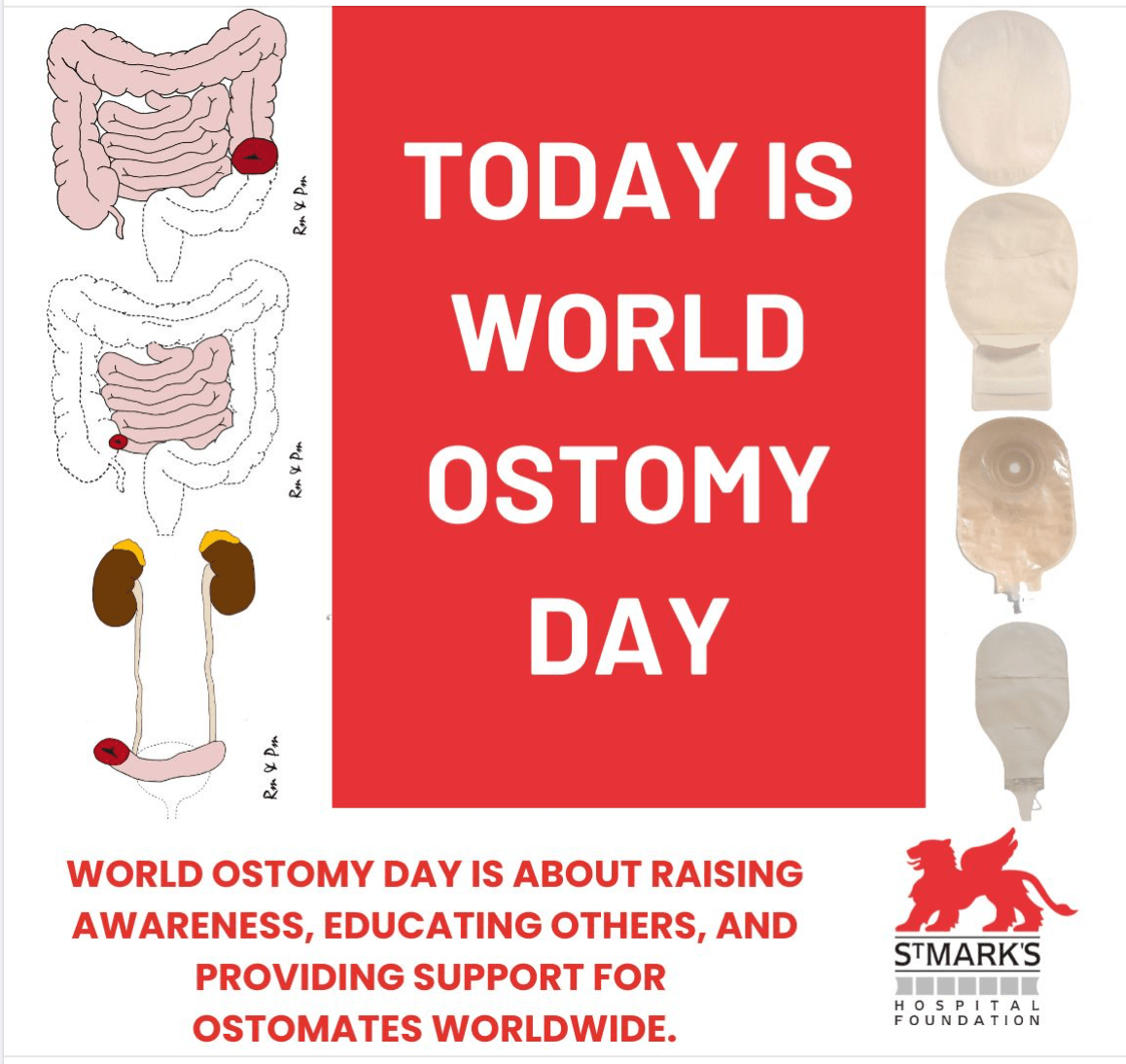
Today is World Ostomy Day

Did you know that 1 in 355 people in the UK live with an ostomy? These numbers represent individuals who show incredible strength, resilience, and determination every single day.

World Ostomy Day is about raising awareness, educating others, and providing support for ostomates worldwide. It’s a chance to celebrate the courage of those who live with an ostomy and to break down stigma. Every story is unique, every journey inspiring!

➡️ Help us make a difference:

💬 Share your story or words of encouragement

❤️ Raise awareness by talking about ostomies and your experience

🙌 Show support to the ostomy community by using the hashtag #WeAreStMarks and #WorldOstomyDay!

When patients worry about being judged

Just because people see me out in public, they shouldn’t assume that I’m back to normal or ‘feeling great.

She sure doesn’t look sick.  She’s a complainer.  She’s STILL off work?! 

“Some clinicians express frustration with patients who have invisible illnesses – blaming them, resenting symptoms without the privilege of certain expression, accusing them of exaggerating or being ‘difficult’, pathologising them as malingering or psychosomatic, or labeling them in ways that are dismissive of their deep knowledge and understanding of their own bodies and lived experiences.”

It’s not only spoken words that can make us feel  judged. In a study published in the Journal of General Internal Medicine,  for example, Dr. Leonor Fernández – an assistant professor of medicine at Harvard – reported that one in 10 patients she studied “felt judged and/or offended”  by comments written about them in their patient portal chart notes2  – especially among patients reporting poor health, unemployment or inability to work.

Living Beyond the Diagnosis: Lynch Syndrome Awareness

My paternal family medical history is marked with early-onset colorectal cancer. Learning about my genetic status was a life-changing experience. The discovery that my condition was hereditary meant that my family members, including my son, could also be at risk. Certified genetic counseling played a crucial role in my journey, helping me comprehend the significance of genetic testing and how to manage my health moving forward. 

If you meet one or more of the red flags below, I urge you to consult with your doctor and a certified genetic counsellor: 

  • Family member with a confirmed diagnosis of Lynch syndrome 
  • Colorectal and endometrial cancer diagnosis at any age, particularly after pathology testing shows alterations related to Lynch syndrome
  • Multiple primary cancer diagnoses
  • Several family members have had cancers related to Lynch syndrome.

Despite the challenges, living with Lynch syndrome has empowered me to make informed health choices, advocate for better healthcare, and support others, striving for a healthy, fulfilling life.

https://www.ihadcancer.com/living-beyond-the-diagnosis-lynch-syndrome-awareness

Lynch Choices

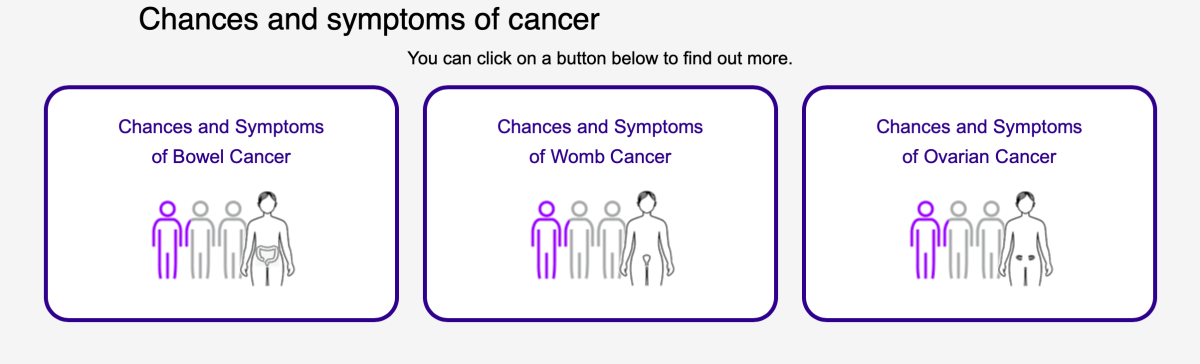
  • Lynch syndrome (‘Lynch’) is an inherited condition that increases the chance of developing certain cancers. The type of cancer depends on the genes involved.
  • This website helps people with Lynch to make choices that are right for them. It is designed to be used with support from the genetics service, GPs, healthcare teams in the community, charities and patient groups.
  • If you are concerned about Lynch but have not been diagnosed, please speak to your GP or genetics service.
  • Each session helps you think about your choices at home, so you are ready to talk through your choices with a GP, genetics or other specialist.

https://canchoose.org.uk

Cancer-Related Fatigue

Fatigue is a common side effect that may linger for years following cancer treatment. Experts and survivors talk about ways to help find a balance between life and fatigue.

The best way to describe it is the fatigue someone feels when they have the flu..

Cancer-related fatigue is a common side effect, especially because it can be caused by both the cancer and its treatment, according to guidelines from the National Comprehensive Cancer Network. This type of fatigue may last months to years after the end of treatment and “does not improve with normal amounts of rest or sleep and disrupts daily life,” the guidelines state.

A significant intervention that has been shown to help with managing cancer-related fatigue is exercise or a type of physical activity.

If people have cancer-related fatigue, energy conservation is something we talk about a lot, try to conserve your energy to do the things you would like to do….. 

https://www.curetoday.com/view/focusing-energy-on-cancer-related-fatigue

ThisisGo.ie

thisisGO.ie is an online personalised resource for you and yours who have been impacted by a gynaecological cancer.

Also contains: genetic pathway for those impacted by BRCA and Lynch Syndrome. 

Did you know that all national clinical and non clinical trials can be found on the homepage. If your trial is not up there email contact@thisisgo.ie

To Chemo or not to Chemo? (That is the question)

Many patients opt for no treatment at all for different reasons but for many, it comes from fear and fear alone.
I hope this blog post might help allay these fears because without chemotherapy, I wouldn’t be here writing this.

https://peakd.com/hive-121589/@clodaghdowning/to-chemo-or-not-to-chemo-that-is-the-question?

Cancer Ghosting


I bet you thought that friends and loved ones would come rushing our way once they learn about our cancer diagnosis. Well, you are wrong, sadly.…

https://peakd.com/health/@clodaghdowning/cancer-ghosting?

Navigating breastfeeding through cancer treatment

Chemotherapy eventually drew to an end my journey as a breastfeeding cancer patient. This made me very sad. I felt that the decision of when I stopped breastfeeding my child had been taken away from me.Although it was a necessary evil, it would have helped to have had a discussion about it with my medical team, or been signposted to services that could help me through the process. 

What you need to know

  • When treating a new mother, consider the needs of the mother and baby as a whole, including breastfeeding support
  • The breastfeeding network drug fact sheet offers advice for breastfeeding in relation to treatments and investigations
  • If a mother has recently stopped breastfeeding, check that any medications you prescribe do not promote lactation

  • When might you create a plan to support a mother to continue breastfeeding throughout her treatment or hospital stay?
  • What information or resources could you share?
  • How could you support a mother who has to be separated from her baby during treatment?

https://www.bmj.com/content/386/bmj.q1284

Adventures of a Sick Doctor

My brain began to make a bolt for the door…..

https://adventuresofasickdoctor.blogspot.com/2024/07/here-we-go-again.html