Blog

Genetics V Genomics

Difference between Coding and Noncoding DNA
Coding DNA Noncoding DNA 
They have a DNA sequence to encode for proteins.These DNA sequences do not encode for protein.
The coding sequence has exons.It has regulatory elements, introns, repeating sequences, pseudogenes, and telomeres.
They are approximately 1% of our total genome.They form around 99% of our genome.
They encode proteins that have regulatory, structural, as well as functional importance.They control and regulate gene activity.

Lynch Choices

  • Lynch syndrome is an inherited condition that increases the chance of developing certain cancers. The type of cancer depends on the genes involved.
  • This website helps people with Lynch to make choices that are right for them. It is designed to be used with support from the genetics service, GPs, healthcare teams in the community, charities and patient groups.
  • If you are concerned about Lynch but have not been diagnosed, please speak to your GP or genetics service.
  • You’ll find two sections which help you think about your choices at home, so you are ready to talk through these choices with a GP, genetics or other specialist.
  • There are also another six sections providing support and information for people with Lynch. These sections may also be useful to family members and healthcare professionals of people with Lynch.

https://lynchsyndromeireland.wordpress.com/wp-admin/post-new.php

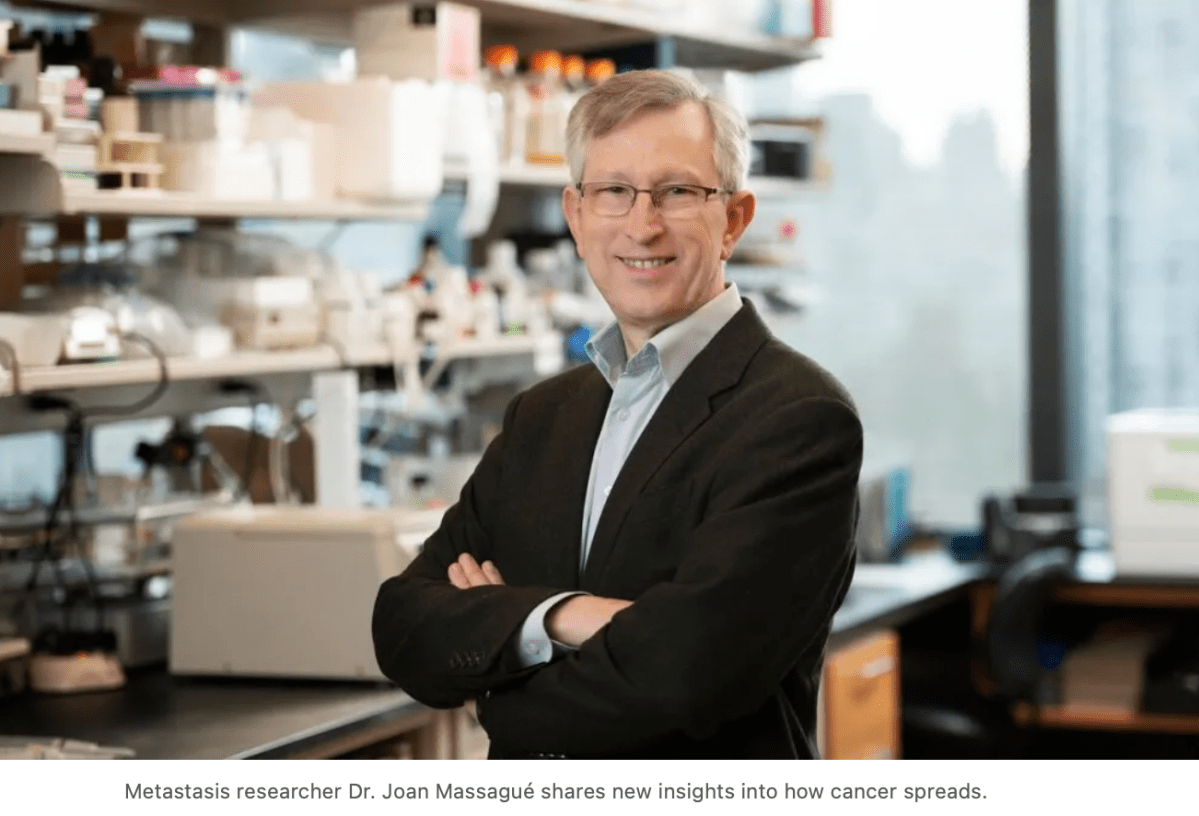
15 Years in Cancer Research: A Journey of Curiosity, Resilience and Collaboration

I have also learnt along the way that people have very different opinions about how to do research, what is important and not, and how you should spend your time at work and outside the working hours. My advice is to find your inner voice and stay faithful to your values and goals. Listen and learn by your colleagues, friends and family, but don’t let others decide what is right for you

Access to New Drugs….

Matt Cooper the Last word. Miriam Staunton Talks about UCAN Ireland launch and problems around access to New Drugs. Listen back here

https://www.goloudplayer.com/episodes/access-to-new-drugs-most-pressin-MDA3YjQ0ZjY4ZTdjNGY1MDMxMDlhMGJmZjk2OTgyMDM=

UCAN

Launched today outside Leinster House.

https://www.facebook.com/reel/1009053707324898

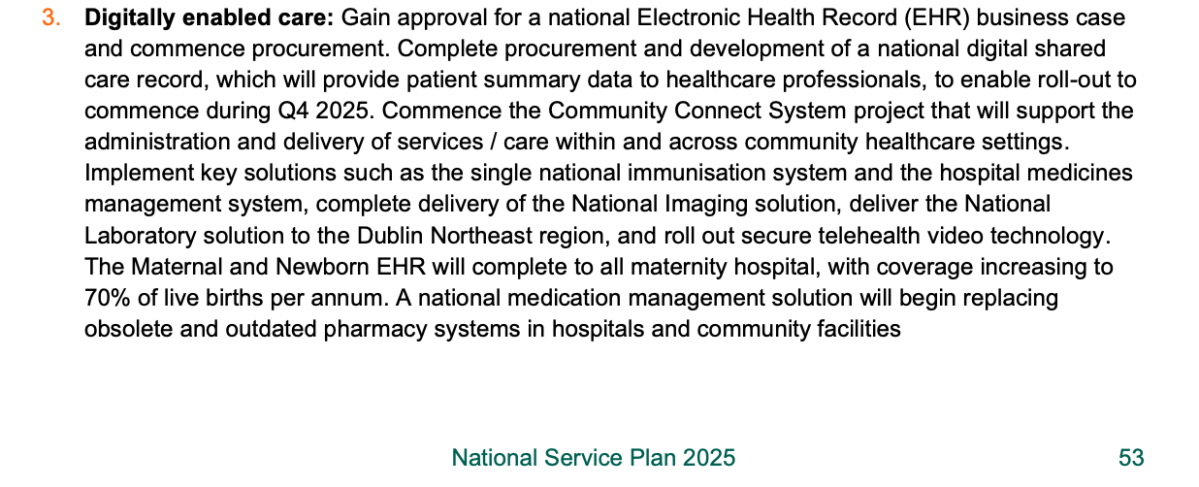
Digitisation of health service will be clinician-led – HSE Deputy CEO 

The EU has set a deadline of 2030 for Member States to have EHRs accessible to all citizens.

“This is a big project, certainly €2 billion to €3 billion over 10 years. This is not a small investment. It’s very significant. That’s not just the product. That’s all of the staff, all of the change,” he said. “If we don’t make the investment and take some pain, we won’t get the return at a later point.”

…..About time.

Hospital to award €2.4m for cancer genetic testing service

St James’s is the national referral centre for adult inherited cancer genetics. Patients are referred from general practitioners, regional hospitals and cancer centres for cancer genetic counselling, risk assessment, and genetic testing. 

The testing provider would be responsible for subcontracting a courier service to track the sending and receipt of genetic testing kits; processing of the sample for cancer genetic testing; bioinformatics and data analysis and result outcome; and confidentiality of information submitted to the online portal to order the test.

As of early 2025, more than 2,600 adults nationally were awaiting a genetics outpatient appointment, with more than 750 waiting more than 18 months.

  • Genetic counsellors are healthcare professionals who provide support to those who are at risk for or affected by an inherited cancer condition.
  • Genetic counselling is not officially recognised by the HSE. This is challenging because it restricts access to genetic services.
  • 90% of genetic cancers go undetected.
  • The work of genetics counsellors is vital in improving identification of inherited cancer and cancer prevention. Currently there is an 80% deficient in GC resources in cancer care

Colon Cancer: Understanding Peripheral Neuropathy

If you’ve received chemotherapy as part of your colon cancer treatment, one of the side effects you may experience is numbness and tingling in you extremities, also known as peripheral neuropathy.

What Is Peripheral Neuropathy?

Numbness and tingling of your extremities (hands and feet) is called peripheral neuropathy. This condition is associated with several causes, including chemotherapy to cancer treatment, and involves damage to the nerves between the extremities and the central nervous system.

Recovery from peripheral neuropathy is usually slow, but steps can be taken to encourage regeneration of the damaged nerves. Some approaches include acupuncture, massage, physical therapy, and transcutaneous nerve stimulation.

https://news.cancerconnect.com/cervical-cancer/colon-cancer-understanding-peripheral-neuropathy

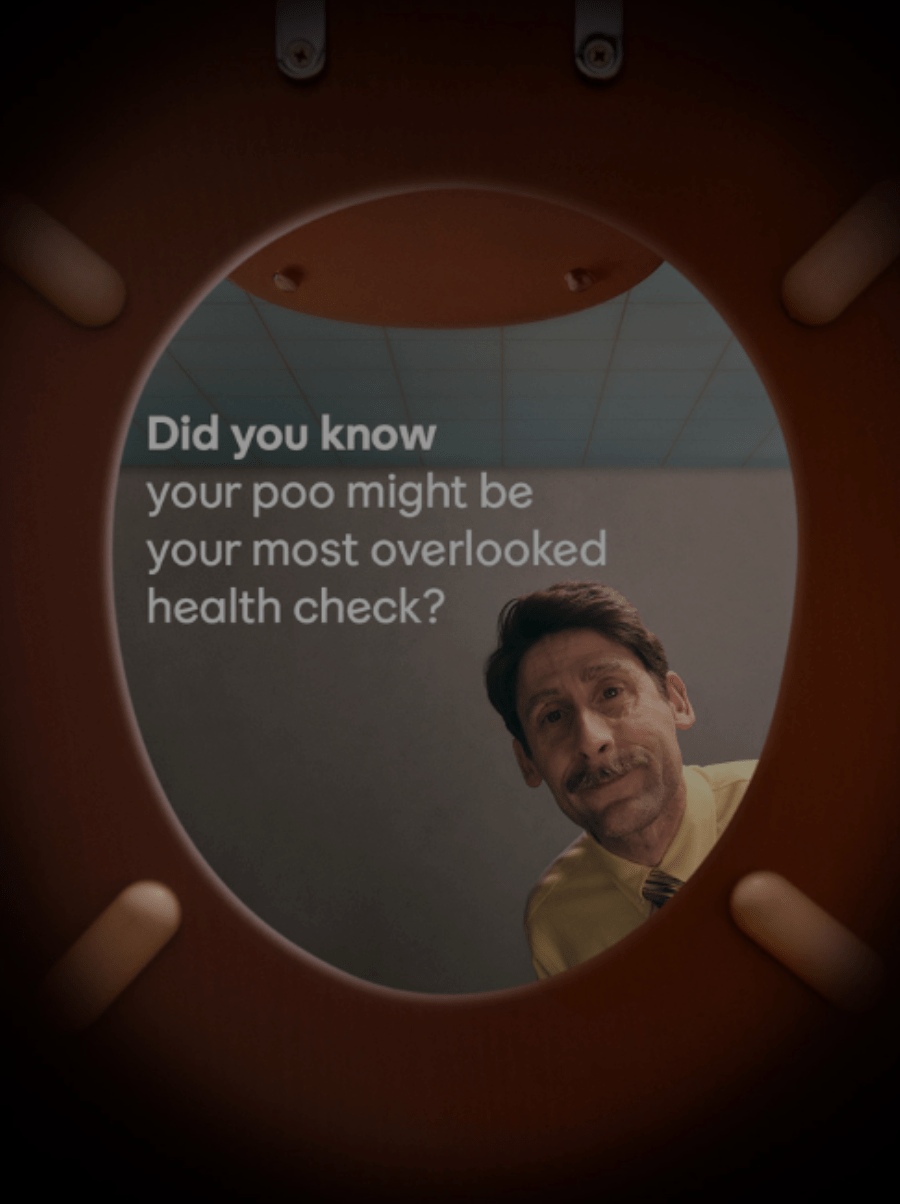
Why Are Colorectal Cancer Patients Getting Younger?

Increasing numbers of younger patients are being diagnosed with late-stage colorectal cancer.

What are the Epidemiological factors behind it, the age groups being affected, symptoms people should be paying attention to, preventative screening options, and where the research is going to try to reverse this alarming trend?

“I know this is an uncomfortable conversation for some, but it’s really important, and if there’s any question about whether polyps were removed and whether they’re the advanced kind or not … take photos to show those to your doctor,” Patel said. “Because patients with a family history of advanced polyps qualify for screening earlier and more frequently.”

https://news.cuanschutz.edu/news-stories/why-are-colorectal-cancer-patients-getting-younger

More than ‘just’ a GP

Research has shown that junior doctors are exposed to significant negative discourse around general practice as a specialty during their hospital-based training. The blaming of GPs for emergency department crowding is almost as inevitable as brand-new Health Ministers blaming consultants for the failings of the entire HSE (brand-new Health Ministers don’t tend to blame GPs for anything; they just forget we exist).

Perhaps we need to change the hashtag to #JustaHuman.