PATIENTS, BOWELS, BASICS, AND BREAKTHROUGHS
SEPTEMBER 11TH 2025: 3PM-6PM SEPTEMBER 12TH 2025: 10AM-6PM
PATIENTS, BOWELS, BASICS, AND BREAKTHROUGHS
SEPTEMBER 11TH 2025: 3PM-6PM SEPTEMBER 12TH 2025: 10AM-6PM
Check out HSE (A-Z)
Each year in Ireland, over 600 new cases of ovarian cancer are diagnosed and around 400 women die from this type of cancer annually.
There’s still a lot of misconceptions about ovarian cancer, such as women mistakenly believing cervical screening will prevent or detect it – it doesn’t. This is why it’s so important for women to be aware of the symptoms of ovarian cancer, and to not ignore them.
Remember the most common symptoms: BEAT, which stands for:
Check out: http://www.ovacare.ie + http://www.thisisgo.ie
“My beautiful burger tasted disgustingly metallic. It was inedible. It was so awful, I scraped the rest of it right into the trash. But that was only the first of many formerly favourite foods that have ended up in the trash lately”
This phenomenon is what’s known as chemo mouth or metal mouth, according to pharmacist Dr. Jessica Caporuscio. She explains that unpleasant side effects – including these taste alterations – are unfortunately common during cancer treatments.
This bizarre side effect occurs because cancer treatments can activate certain receptors in the mouth or tongue that cause this metallic reaction.
While it can be distressing, the metallic taste and other taste changes usually resolve after treatment is complete.
A dedicated Lynch Syndrome app for carriers of LS co-developed by LS UK.
Carriers of this condition can often struggle to access timely information advice.
This digital aid can be helpful to participate directly to prevent complications and personalise their health and well-being plans.
New Book by Digestive Cancers Europe.
It shares the personal stories of 15 young adults(including Pamela from Ireland) diagnosed with digestive cancer. Many of them faced misdiagnoses simply because of their age.
THE GOVERNMENT IS planning to legislate to prevent insurance companies from using cancer survivors’ medical history against them.
A ‘right to be forgotten’ in insurance policies has been called for by cancer survivors, their families and campaigners for years, who have long argued that it is unfair for insurance companies to take cancer diagnoses into account years after a person has entered remission.
In 2023, Insurance Ireland announced a new code of practice that outlined that insurers should disregard cancer diagnoses where treatment had ended more than seven years before an application.
The Irish Cancer Society said at the time that the move was an important first step but that the government needed to step in to create legislation on the matter.
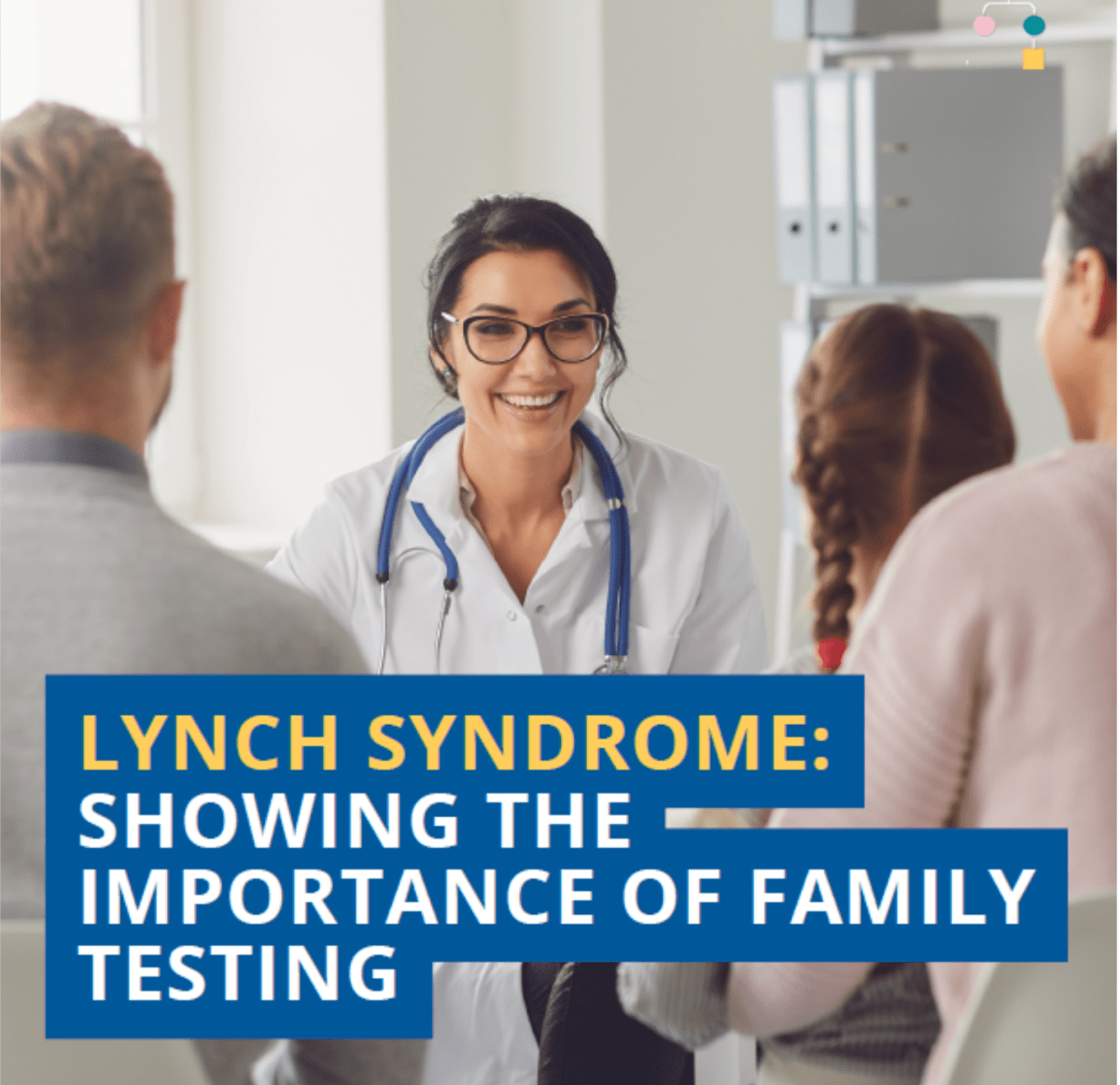
Cascade testing refers to testing “at-risk” family members for a gene mutation, once the mutation has been found in a family member.
For Lynch syndrome, once family members get cascade testing, they can also benefit from screening, cancer prevention, and early detection strategies.
You can ask your GP to refer you to a cancer genetics service.
Family members who can get a test include:
Ask your relative for a copy of their Lynch syndrome test result or a letter you can bring to your GP appointment – if they have one.
If you get a Lynch syndrome diagnosis, your relatives can ask their GP to refer them to a cancer genetics service. This is known as cascade testing. It is also known as predictive testing.
Lynch syndrome test results can help your healthcare team: