
Blog
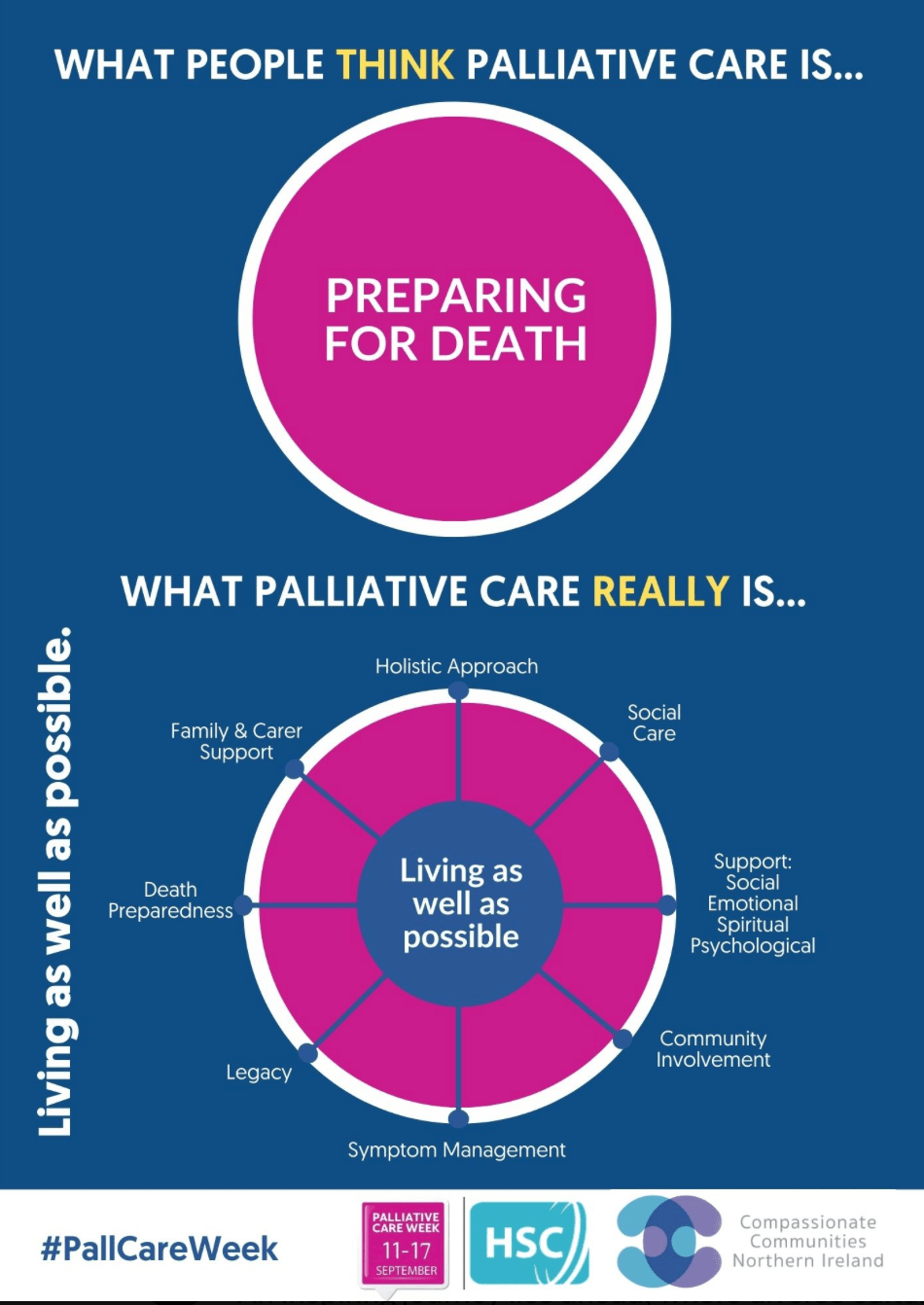
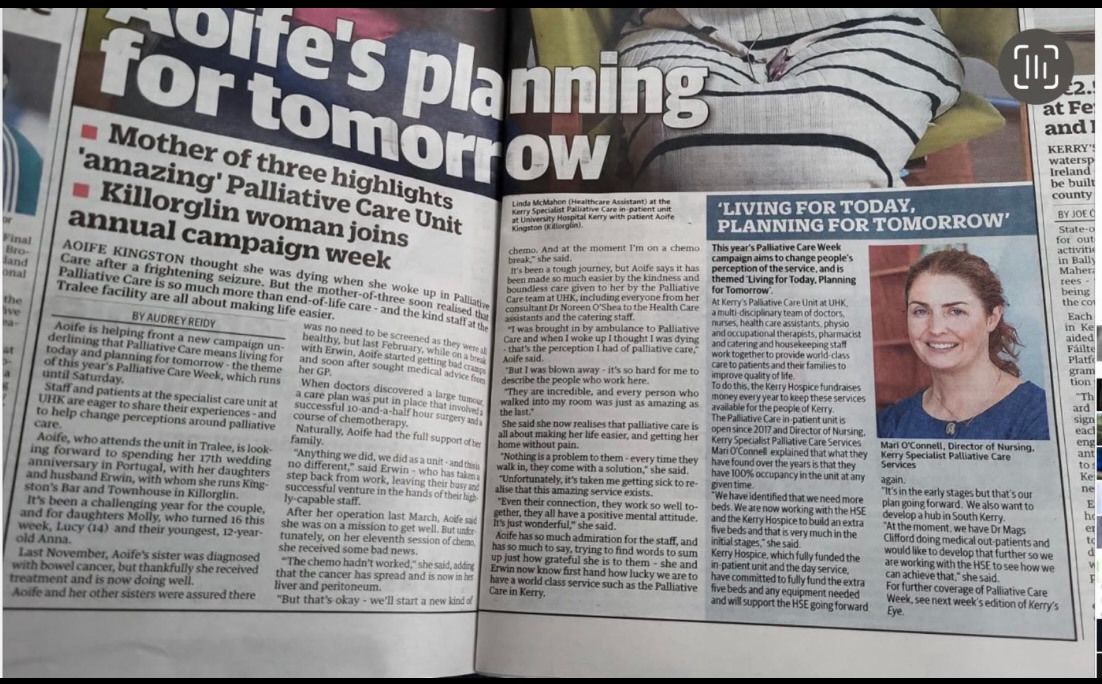
Palliative Care-much more than end of life Care
European Hereditary Tumour Group(EHTG)

EHTG has a track record of expanding guidelines and practises the concept of “dynamic guidelines”. This concept means that whenever evidence has been produced in the published literature that should lead to a change of previous guidelines and is relevant for the clinical management of a syndrome, EHTG will ask for a revision of the corresponding chapter.
Welcome everybody interested to get actively involved and join them in these efforts to improving our knowledge in the field of hereditary predisposition to cancer and to implement this knowledge for improved clinical care. This effort embraces all clinical disciplines!
#GOforTesting #GOforPrevention

What do negative results from a genetic test mean?
Sounds like good news. Negative test results means that the laboratory didn’t find any mutations in one´s  DNA that are known to increase the risk of developing cancer.
 But don’t forget! It is still necessary to undergo regular check-ups and take care of your health every day.
Unlocking the Potential of Patient Registries: A Guide for Success
Patient registries play a crucial role in enhancing healthcare and health outcomes, serving as vital foundations for developing and maintaining research networks and projects.
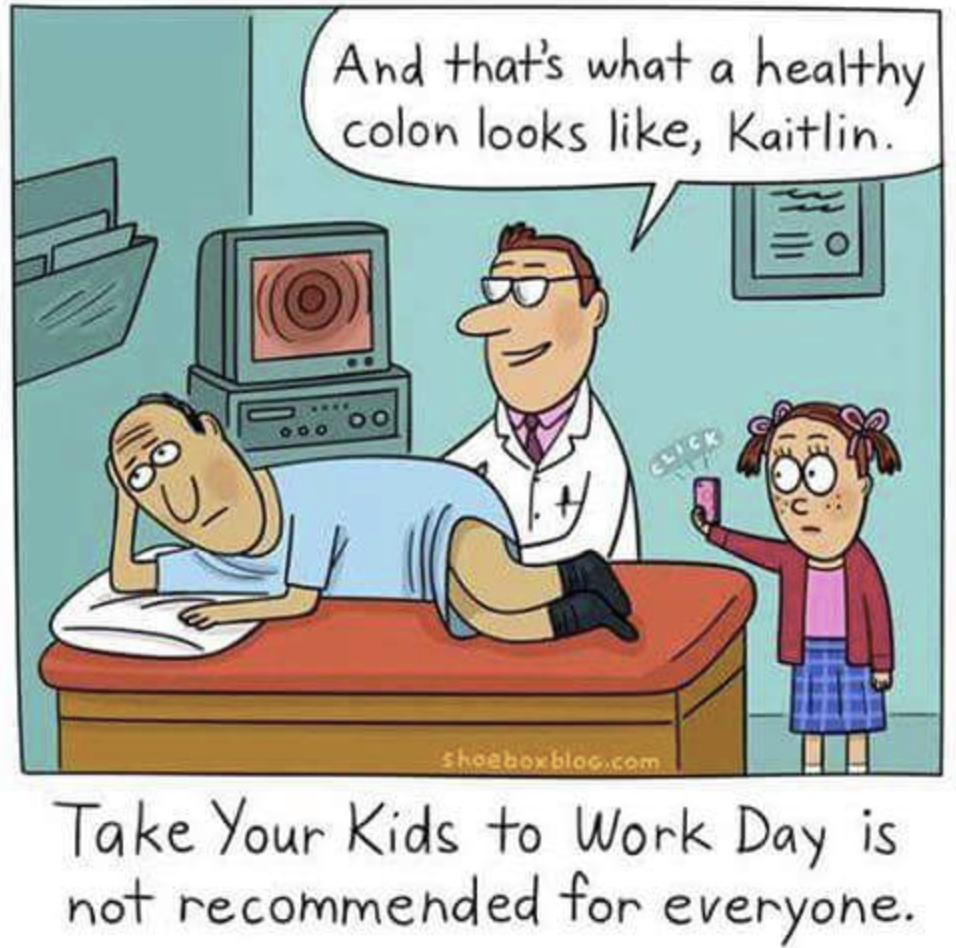
Don’t let this idea put you off having a Colonoscopy
The Big Prostate Quiz

Stand Up for Your Prostate and take the Big Prostate Quiz this Blue September to check if you need to be more aware of your prostate health. It will take less than 5 minutes to take the Quiz, about the same time it takes to get your PSA Checked!
We are asking the men of Ireland to once again to Stand Up for Your Prostate.
Get your PSA checked once you reach the age of 50 or at 45 if you have a family history of Prostate or Breast Cancer. It could save your life.
Does Colon Cancer run in YOUR Family?
The genetic risk for colon and rectal cancer.
- The risk of developing colorectal cancer increases 2-3 times when a parent, sibling, or child is diagnosed compared to those with no family history.
- The risk increases 3-6 times over the general population, when a relative is diagnosed at a young age or if there is more than one relative with colorectal cancer.
- About 20% of all colorectal cancer patients have a close relative who was also diagnosed with the disease.
- About 5% of patients with colorectal cancer have a well-defined genetic syndrome that causes the disease like Lynch syndrome or familial adenomatous polyposis (FAP). These conditions are linked with higher risks for colon and other cancers.
- Lynch syndrome accounts for 2- 4% of all colorectal cancer cases.
- FAP is the second most common predisposing genetic syndrome; for these individuals, lifetime risk of colorectal cancer approaches 100% without intervention.
20-year-old patient: You’re never too young to get colorectal cancer
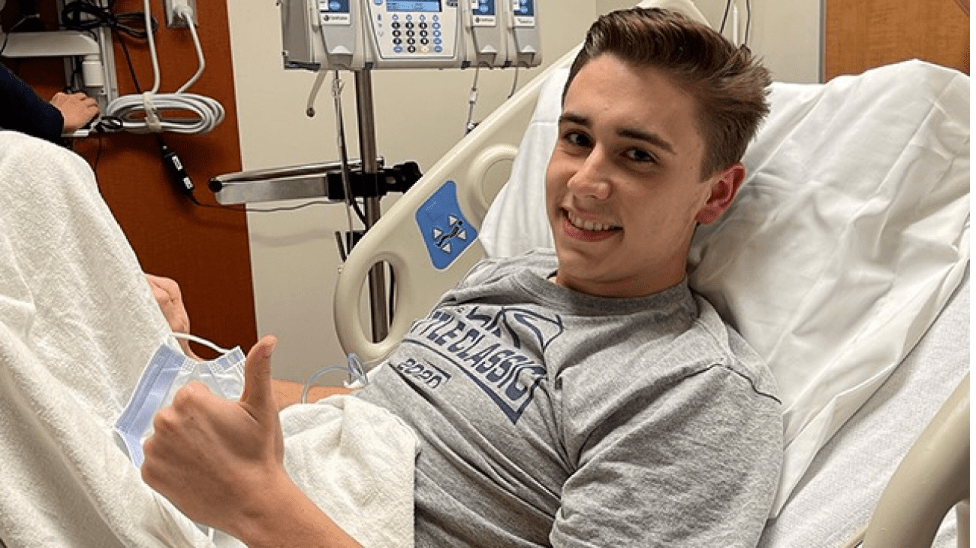
“I learned the reason right after my diagnosis: genetic testing showed I have Lynch syndrome. It’s a hereditary condition that makes me more likely to develop multiple cancers over my lifetime. I am the first person in my family to have it.”
How having Lynch syndrome has helped me
“If there’s anything good to be said about having Lynch syndrome, it’s probably that it made me eligible to participate in a clinical trial …”

