

Spring has officially sprung but that doesn’t mean we can’t sit down and enjoy some tasty and healthy tomato soup! Head over to our website for the full FREE cookbook, designed and written by registered dietitians!

Spring has officially sprung but that doesn’t mean we can’t sit down and enjoy some tasty and healthy tomato soup! Head over to our website for the full FREE cookbook, designed and written by registered dietitians!
Having experienced aprox 15 colonoscopies during which polyps were removed I can confirm that they were all painless procedures.
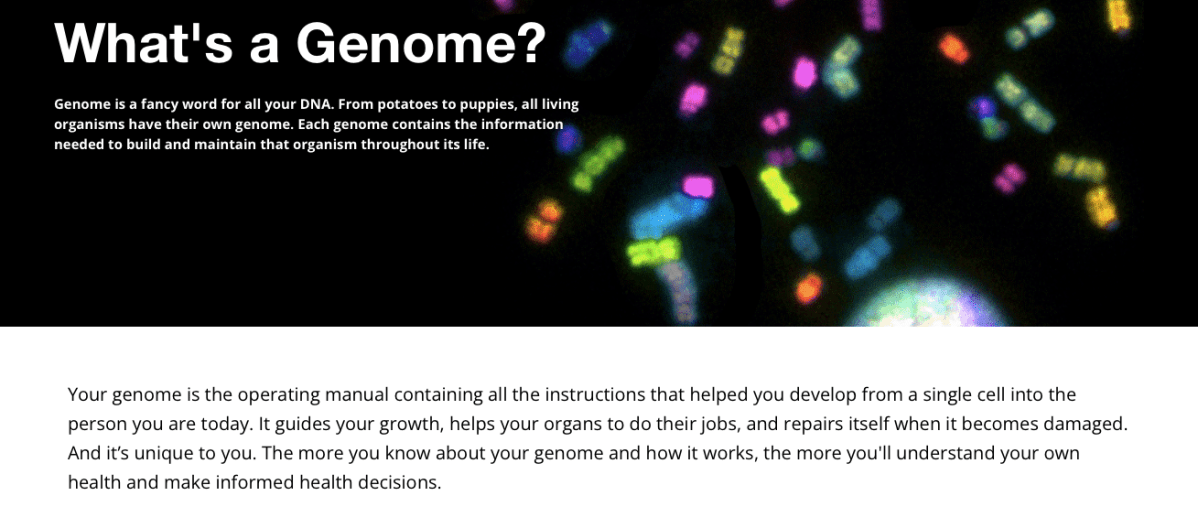
Genetic and genomic health information increasingly informs routine clinical care and treatment.
Building the capacity of the current and next generation of nurses and physicians to integrate genetics and genomics into usual clinical practice is essential if opportunities afforded by precision medicine are to be fully realised.
https://www.gimjournal.org/article/S1098-3600(21)01181-3/fulltext
An example of an inherited risk of cancer is Lynch syndrome. A person with Lynch syndrome has an elevated risk of colorectal, endometrial, stomach, ovarian, urinary tract, other intestinal cancers, and additional cancers.
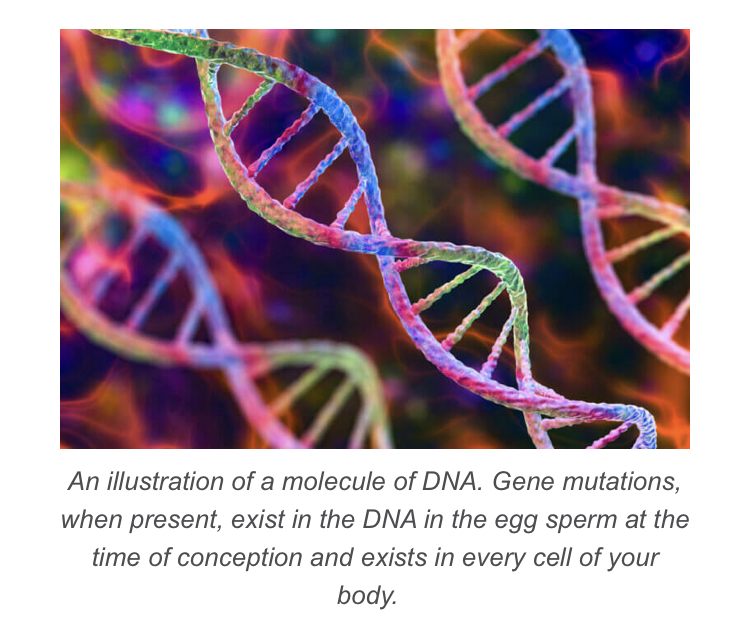
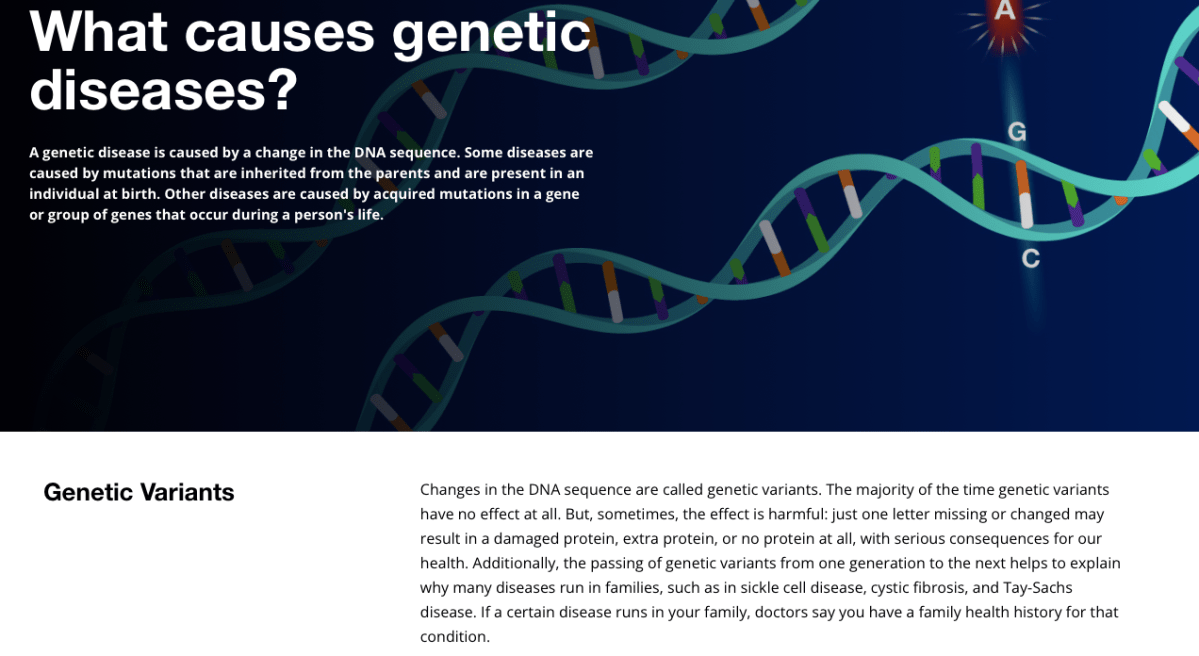
The increased risk is due to a mutation in one of several genes that fix mistakes made when DNA is copied. These genes are called DNA mismatch repair genes. The body has many mechanisms that work hard to prevent DNA copying errors and protect against cancer.
When one of those mechanisms is disabled by mutations, cancer is more likely to occur and at a younger age.
mRNA Covid vaccine technology could be repurposed so that it primed the immune system to attack cancer cells.
BioNTech was working on mRNA cancer vaccines before the pandemic struck but the firm pivoted to produce Covid vaccines in the face of the global emergency. The firm now has several cancer vaccines in clinical trials. Türeci said the development and success of the Pfizer/BioNTech vaccine, which is similar to the Moderna Covid shot, “gives back to our cancer work”.
But Türeci(who co-founded BioNTech, the German firm that partnered with Pfizer to manufacture a revolutionary mRNA Covid vaccine) remained cautious about the work. “As scientists we are always hesitant to say we will have a cure for cancer,” she said. “We have a number of breakthroughs and we will continue to work on them.”
Like Lynch Syndrome?
A life-saving NHS testing programme is helping to diagnose thousands of people with a genetic condition that increases the chance of developing cancer.
The health service has begun rolling out a genetic test for Lynch syndrome, an inherited condition that increases the risk of certain cancers, including bowel, ovarian and pancreatic.
It is estimated that 1 in 400 people in England have Lynch syndrome (equivalent to around 175,000 people), but just 5% are aware they are living with the condition.
This cutting-edge genetic test is helping to identify thousands of people who are living with Lynch syndrome – meaning we can work with them to reduce their risk of cancer, and provide more personalised and effective treatment if they do need it.
People with Lynch syndrome are more likely to develop multiple cancers and be diagnosed at a younger age. For example, bowel cancer is most common in those aged over 50 but in someone younger, it may be a sign of Lynch syndrome.
The NHS is now able to identify the condition through a simple blood test, which then goes through a regional genomic laboratory hub, is sequenced, and then sent back to the referring clinician.
A positive diagnosis also means doctors can improve the chances of staying cancer free with interventions like aspirin, which can reduce the risk of bowel cancer developing by up to 50 per cent, regular colonoscopies to check for changes to healthy cells and offering women preventative gynaecological surgery.
Very powerful sharing from Roberta. I think Genetic Counsellors everywhere will feel humbled that your experience was empowering & led to the correct diagnosis.
Highlights how important their role is, how families should know their cancer history & have the correct screening.
Most people diagnosed with colorectal cancer are at least 65 years old, but I was only 45 when doctors discovered my cancer, which they believed had been growing inside me for at least a decade. As someone who exercises regularly and maintains a healthy diet, I was shocked by my diagnosis. My doctors and I assumed that it was simply a case of bad luck.
“as many as 10% of colorectal cancer patients have an inherited gene mutation that caused their illness. I should know, because I was one of them.”
“I’ve heard people say that they don’t want to get genetic testing because there’s no way to prevent hereditary cancer, therefore it’s better not to know. But that couldn’t be further from the truth.”





 Lynch Syndrome Ireland