How Biobanks WORK

A biobank (“bank of life”) is a place – typically an ultralow temperature freezer – that stores blood and other human tissue samples donated by patients for research in cancer or other serious diseases. It is maintained by specialist personnel, and data is coded for the patient’s privacy and confidentiality, and recorded in a database. Clinical data, including treatment and follow-up, may be linked subsequently.

The patient’s cancer operation specimen – cancer and surrounding normal tissue – is examined by a Histopathologist. The pathological diagnosis and full pathological assessment of the tumour’s aggressiveness and extent determine the patient’s further treatment. Providing the patient has consented, small fragments of cancer and normal tissue, surplus to pathology requirements, may be coded, frozen and stored in the biobank. Samples are released for ethical, scientifically approved research on how cancers develop, grow, spread and respond to treatment.

Study: Prostate cancer screening may benefit people with Lynch syndrome


What is this study about?

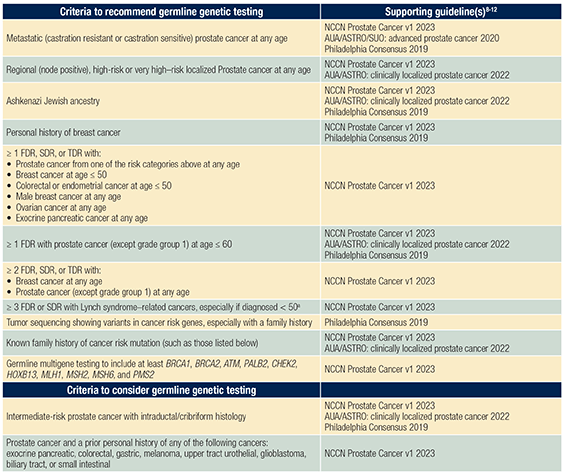
The IMPACT trial is an international study looking at how well PSA (prostate-specific antigen) screening for prostate cancer works for people with inherited mutations. This report shared early results of screening in people with Lynch syndrome.

Summary

Initial results from the IMPACT trial show that PSA testing to screen for prostate cancer in people with Lynch syndrome can detect aggressive early prostate cancers. These findings support the use of PSA screening in men with Lynch syndrome, particularly men with an inherited mutation in an MSH2 or MSH6 gene. 

https://www.facingourrisk.org/XRAY/prostate-cancer-screening-benefits-for-Lynch-syndrome

National GMSA Transformation Project: Lynch Syndrome

Delivery of a comprehensive service for the detection of Lynch syndrome

Led by the North Thames and South East GMSAs, the NHS GMS National Lynch Syndrome project is working to improve the identification and management of Lynch Syndrome, bridging the gap in testing and diagnosis of Lynch Syndrome and supporting the early detection of cancer and access to personalised care.

The project will initially focus on colorectal and endometrial cancer patients and over time the programme will aim to extend LS screening across relevant tumour types.

https://www.norththamesglh.nhs.uk/national-gmsa-transformation-project-lynch-syndrome/

Women with womb cancer are to be offered a genetic test for Lynch syndrome

Oct 2020 -UK

Women with Lynch syndrome are likely to develop womb cancer before showing signs of bowel cancer. A diagnosis of the genetic condition means they can be offered regular checks, and aspirin therapy, to reduce their risk of bowel cancer.

Researchers found that, of 305 UK women offered testing for Lynch syndrome around the time of their treatment for womb cancer, 302 accepted.

Women’s family members can also be offered testing. The researchers found that protecting family members was the main reason why women wanted to be tested. They were most receptive at follow-up appointments after surgery for their womb cancer.

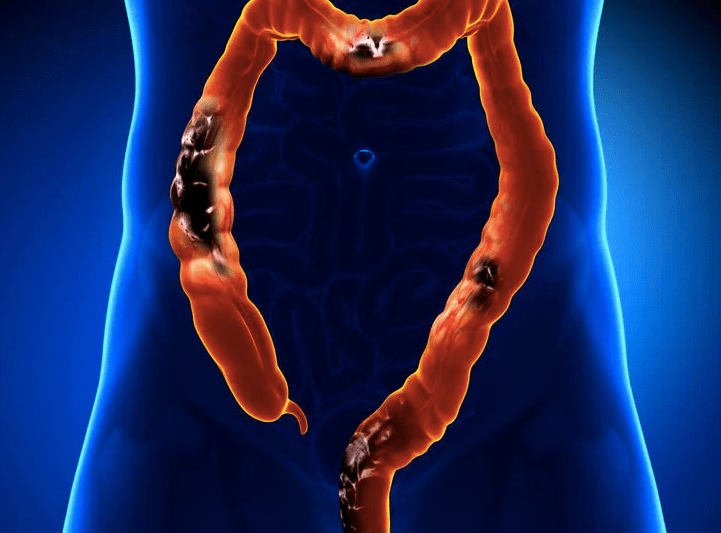
The most common cancers in Lynch syndrome

Content provided courtesy of speaker.
Dana-Farber Cancer Institute. Lynch Syndrome: Are You at Risk? Accessed Nov. 2022 from
http://www.dana-farber.org/health-library/articles/lynch-syndrome-are-you-at-risk/

A Beginner’s guide to Lynch Syndrome

This information booklet provides answers to some of the many questions you may have, following the news that you carry a gene mutation which causes Lynch syndrome.

One of the challenges that people with Lynch syndrome face is coping with the uncertainty of what the future holds, both for you and your family.

Unlike other health-related issues, there is an extra set of challenges for people with Lynch syndrome – the risks for your relatives.

This guide will be useful in providing you with some of the information you need and also help you to think about questions you may wish to discuss with your family and the genetics department.

https://patientinfolibrary.royalmarsden.nhs.uk/lynchsyndrome

HPV vaccine catch-up programme

This month eligible people who are aged 16 and older can register to receive a HPV vaccine. From early 2023, the programme will be open to all eligible people.

Initial vaccination clinics will being on Monday 12th December with additional clinics being added throughout 2023.

Students in their first year of secondary school are offered the HPV vaccine as part of the school vaccination programme.

https://www.hse.ie/eng/health/immunisation/pubinfo/schoolprog/hpv/

HPV infection can cause cancer of the:

  • cervix
  • vulva (the area surrounding the opening of the vagina)
  • vagina
  • anus
  • oropharynx (the part of the throat at the back of the mouth)
  • penis

HPV infection can also cause genital warts in both girls and boys. The World Health Organization (WHO) states that the HPV vaccine is extremely safe. If you have questions about the HPV vaccine, talk to a trusted health professional like your GP

Bringing you mindfulness

Self-compassion is good for you. That’s a fact. Across a whole range of areas,

including anxiety, depression, relationships, motivation and making healthy choices, self-compassion has been found to have positive and really healtheffects.  (from my book Kindfulness).

Try: Next time you are criticising yourself, take the point of view of a good friend rather than a harsh critic.

The quite short guide to mindfulness:

Kirstie Alley’s Cause Of Death Explained

Kirstie Alley, best known for her Emmy award-winning role as Rebecca Howe on “Cheers,” died Monday night of colon cancer (via People). She was 71.

Her children, True and Lillie Parker, said in a statement on Twitter that her cancer diagnosis was “recently discovered” and that her closest family members were with her. She was receiving treatment at the Moffitt Cancer Center.

Read More: https://www.healthdigest.com/1128029/kirstie-alleys-cause-of-death-explained/?utm_campaign=clip

According to the American Cancer Society, colon cancer might not have symptoms at first, and one could be symptom-free before finding out the cancer has spread.

For those with a genetic predisposition, like Lynch Syndrome, it can spread faster and occur at younger ages (per Fight Colorectal Cancer). Doctors recommend regular colon cancer screenings at age of 45 for anyone with an average risk and even younger for those with a genetic risk factor.

Read More: https://www.healthdigest.com/1128029/kirstie-alleys-cause-of-death-explained/?utm_campaign=clip