What -7 years away from delivering a comprehensive electronic health record system for all citizens to replace traditional paper-based records. Who is in charge/responsible?

Is it the Minister? Is it the CEO? Hmm…. surely we could blame the Agency Cat.

The HSE is roughly seven years away from delivering a comprehensive electronic health record system for all citizens to replace traditional paper-based records.

In 2004…yes 2004..…Patients can expect improved and safer care under the new blueprint, which will modernise the gathering and use of health information, Health Minister Micheal Martin said. “AN ELECTRONIC healthcare record for all patients, allowing a range of information on their medical history to be automatically called upon, is promised under a new health plan launched yesterday“.

Now 2024.….An electronic healthcare record in 7 years? EHRs are currently standard of care in all developed western countries. A range of tried and tested commercial solutions have been available for a long time now. In 7 years, it will be 27 years since

An oncologist(Michael Mc Carthy on X):….”The amount of time I spend every day logging in and out of 10 separate computer systems would boggle anyones mind. When I arrived in Mayo this morning, I had to enter my username and password 7 times to get into evolve. As a conservative estimate, I probably entered usernames and passwords about 50-60 times over the rest of the day. Hard to imagine, but true.”

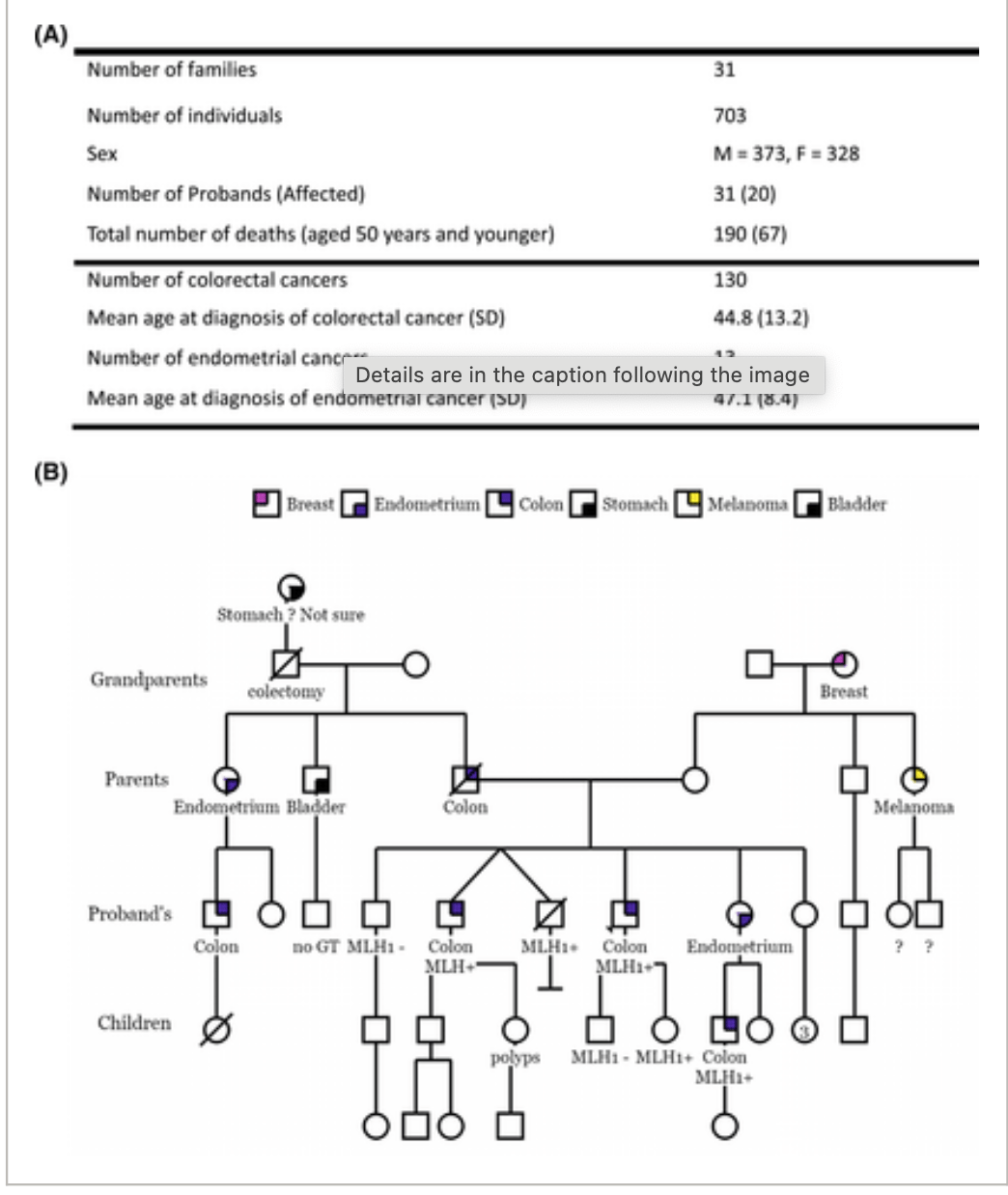
Anticipation in families with MLH1-associated Lynch syndrome

Individuals who have MLH1 PVs have high lifetime risks of colorectal cancer (CRC) and endometrial cancer (EC). There is controversy regarding whether a younger age at diagnosis (or anticipation) occurs in MLH1-associated LS. The objective of this study was to assess anticipation in families with MLH1-associated LS by using statistical models while controlling for potential confounders.

Conclusions

The current results demonstrated evidence in support of anticipation in families with MLH1-associated LS across all statistical models. Mutational effects on Mlh1 activity influenced the hazard for CRC/EC.

https://acsjournals.onlinelibrary.wiley.com/doi/10.1002/cncr.35589

Lynch syndrome diagnostic testing pathways in endometrial cancers: a nationwide English registry-based study

Background: For female patients with Lynch syndrome (LS), endometrial cancer (EC) is often their first cancer diagnosis. A testing pathway of somatic tumour testing triage followed by germline mismatch repair (MMR) gene testing is an effective way of identifying the estimated 3% of EC caused by LS.

Conclusion: This analysis highlights the regional variation in recorded testing, patient attrition, delays and missed opportunities to diagnose LS, providing an informative baseline for measuring the impact of the national guidance from the National Institute for Health and Care Excellence on universal reflex LS testing in EC, implemented in 2020.

https://jmg.bmj.com/content/early/2024/10/21/jmg-2024-110231

Laois rural artist urges people to mind their language on illness

Whether it’s the metaphor of ‘battling cancer’ or the image of ‘frontline workers’ during the pandemic, the author contended that metaphors distort our way of thinking since neither cancer nor Covid are stages of war.

“I have a predisposition to cancer as I carry a gene which is called Lynch Family Syndrome.

“Basically my body cannot detect that cancer is growing in the first place so it very quickly escalates to a grade 4 and because it cannot recognise the disease, it also can’t repair it without help.

“I’m lucky that I know my body well and that I can present myself in time to doctors who have the expertise and modern medicines to reverse the tumour growing.”

“Participating made me look at the psychological effect years after diagnosis. Themes of loneliness, isolation, fear, self-blame, anger and disassociation were explored.

The Role of Colonoscopy in the Management of Individuals with Lynch Syndrome: A Narrative Review

Rather than continuing to shorten the timing of endoscopic surveillance, other early diagnostic techniques and subsequent prevention strategies should be forecasted in order to allow a more effective and customised endoscopic surveillance of individuals with Lynch Syndome.

Subjects with LS need clear and repeated explanations about the value of endoscopic surveillance. Often, they also require psychosocial support. The usefulness of specialised programs aiming to remind patients of the dates of both exams and clinical follow-ups has been demonstrated 

Open Questions 

These hypotheses raise several questions: assuming that there is more than one pathway to CRC, what is the relative contribution of each? Are there different genetic backgrounds? Which are they?

https://pmc.ncbi.nlm.nih.gov/articles/PMC10417258/

“For many cancers, Ireland is now 1-2 standard-of-care innovations in cancer treatment behind international comparators”

It seems to me that this headline quotation from Prof Barry of the @INFO_NCPE likely has taken him out of context in relation to Anti-Cancer Drugs.

Let me try to help make sense of this:

1. The only public funding that has gone into anti-cancer drug discovery and development that I am aware of over the past 10 years in Ireland, is funding to commercialise academic discoveries. The commercialisation of drug discovery and development is a strategic, deliberate government policy.

2. When a commercial company is successful in demonstrating that a drug improves cancer outcomes, these companies are legally obliged to maximise profit for the company’s shareholders (as far as I understand, maybe I’m wrong here).

3. The rate at which new anti-cancer drugs that objectively improve cancer outcomes achieve regulatory approval (by the EMA or FDA) is accelerating.

4. To continue to offer to public cancer patients the international standard of care (eg NCCN or ESMO recommended) anti-cancer therapies is by definition going to cost public cancer care providers more money. This is how the whole system is deliberately designed.

5. EMA approval does not guarantee an impact on the “standard of care”. For an oncologist to prescribe any high cost anti-cancer therapy in public hospitals in Ireland, first, the pharmaceutical company must apply to the @HSELive to have their drug reimbursed. Many companies do not even apply. Next, they must commit to a reimbursement process that takes 2-3 years, with no guarantee of a successful reimbursement outcome.

6. As long as I have worked for the HSE, the prescribing options available to public Medical Oncologists have been robustly restricted to drugs that have been approved through this reimbursement process.

7. No public consultant has the authority or ability within the existing system to ‘authorise’ expenditure for any high cost anti-cancer drug by signing a prescription, unless the HSE has explicitly authorised this prescription. The authorisation status is publicly available here: https://hse.ie/eng/services/list/5/cancer/profinfo/chemoprotocols/

8. If I tried to prescribe a high cost anti cancer drug that hadn’t been through the HSEs reimbursement process, it would not make it past the hospital pharmacist. In any publicly funded hospital.

9. For many cancers, Ireland is now 1-2 standard-of-care innovations in cancer treatment behind international comparators. In other words, for a long time now, the HSE has had total control over what a consultant oncologist can prescribe within the HSE. The problem is that the approval of emerging therapies is too slow, and not keeping pace with international standards, or with the private healthcare sector in Ireland.

@IMT_latest @med_indonews @hseNCCP @OECI_EEIG @IrishCancerSoc @INFO_NCPE

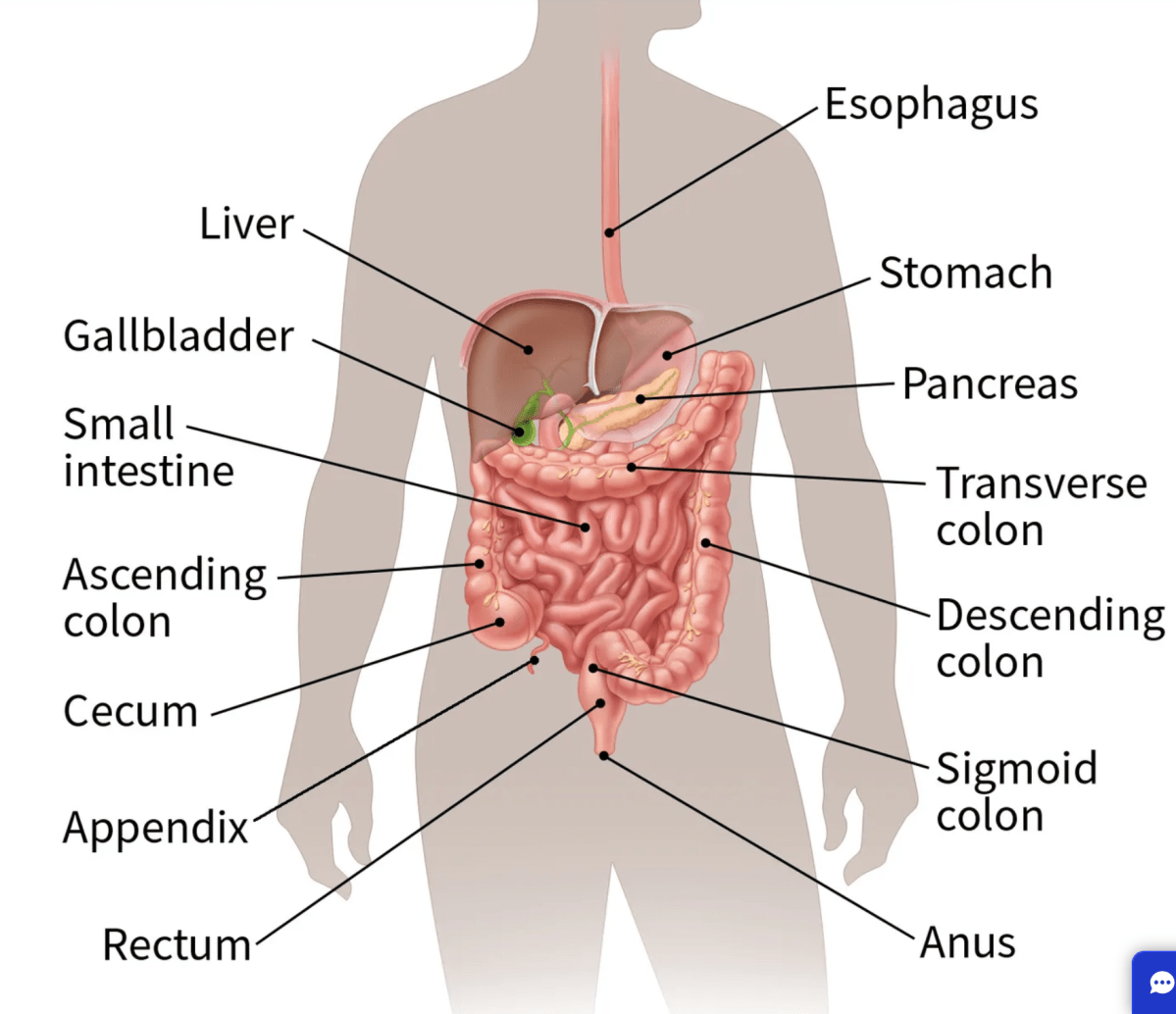
Colorectal cancer starts in the colon or the rectum. These cancers can also be called colon cancer or rectal cancer, depending on where they start. Colon cancer and rectal cancer are often grouped together because they have many features in common.

This article covers:

How do the colon and rectum work?

How does colorectal cancer start?

Polyps in the colon or rectum

How colorectal cancer spreads

Types of cancer in the colon and rectum

Be aware of signs and symptoms

It’s important for everyone to be aware of any changes in your body that are not normal for you, especially if you have an increased risk due to Lynch syndrome. Always get any changes checked by your GP, even if you have had a screening test or are due one soon.

https://www.cancer.org/cancer/types/colon-rectal-cancer/about/what-is-colorectal-cancer.html

https://www.cancer.ie/cancer-information-and-support/cancer-information/about-cancer/causes-of-cancer/cancer-and-genes/lynch-syndrome

The comprehensive English National Lynch Syndrome Registry:

Lynch Syndrome (LS) is a cancer predisposition syndrome caused by constitutional pathogenic variants in the mismatch repair (MMR) genes.

To date, fragmentation of clinical and genomic data has restricted understanding of national LS ascertainment and outcomes, and precluded evaluation of NICE guidance on testing and management. To address this, via collaboration between researchers, the National Disease Registration Service , NHS Genomic Medicine Service Alliances, and NHS Regional Clinical Genetics Services, a comprehensive registry of LS carriers in England has been established.

The most frequently identified pathogenic MMR genes were MSH2 and MLH1 at 37.2% (n = 3362) and 29.1% (n = 2624), respectively. 35.9% (n = 3239) of the ENLSR cohort received their LS diagnosis before their first cancer diagnosis (presumptive predictive germline test). Of these, 6.3% (n = 204) developed colorectal cancer, at a median age of initial diagnosis of 51 (IQR 40–62), compared to 73 years (IQR 64–80) in the general population

The establishment of a secure, centralised infrastructure and mechanism for routine registration of newly identified carriers ensures sustainability of the data resource.

https://www.thelancet.com/journals/eclinm/article/PIIS2589-5370(24)00044-0/fulltext

Genetic Counselling

Genetic counselling is a dynamic and rapidly growing field.

The Ministry of Public Health in Qatar has recently introduced national registration regulations for genetic counsellors in Qatar, officially recognising the genetic counselling profession.

The recognition of the genetic counselling profession is marked as a significant achievement for Qatar toward the protection and future expansion of the profession.

Qatar recognised the importance of incorporating genetic counselling services into its health care system to empower individuals and families with the knowledge needed to make informed decisions about their genetic health.

https://www.sciencedirect.com/science/article/pii/S2949774424010124#sec2

THE UNMET NEED IN CANCER GENETIC SERVICES(2021)

This one of the recommendations of this report:

Implement a hub and spoke model with genetics expertise within the dispersed oncology system.

Genetics needs to be formally integrated into the cancer treatment pathway with uniform access to genetic testing, molecular tumour boards and access to genetics expertise and support at the point of care for both patients and their clinicians.

Where are we at now?