Resourcing health IT is an investment, not a cost

The current deficits in our digital infrastructure are significant, with inefficient and outdated information technology (IT) systems and hardware.

The continued absence of electronic health records (EHRs) also negatively impacts patient care, staff morale, and productivity.

With the majority of Irish hospital records still paper-based, there is an urgent need to fund a national EHR hospital-wide system without delay.

A fit-for-purpose digital health system for Ireland is essential to provide health staff with the necessary digital tools to optimise efficiency, collaboration, and productivity in a more modern health service. With these tools, consultants will be able to deliver improved accessibility, more efficient workflows, and most importantly enhanced patient care and safety.

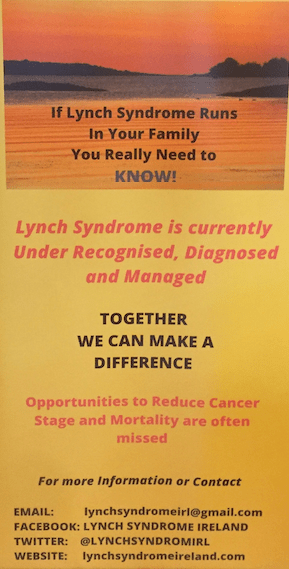
Lynch syndrome – Will I develop cancer?

Unfortunately, cancer is common, and in the majority of cases is not inherited. As many as 1 in 2 people will develop cancer in their lifetime. That is 50% of the world’s population.

Most cancers are not inherited and occur out sporadically or ‘out of the blue’.

Lynch syndrome makes certain (not all) cancer types more likely to develop. This is due having less protection from the cancer mismatch repair genes. This doesn’t mean that you will definitely develop cancer, but having less protection makes it more likely.

The way Lynch syndrome behaves in you and your family can be very different as the affected Lynch syndrome genes interact with other genes as well. Family history should be taken into consideration, but each family member will be affected differently.

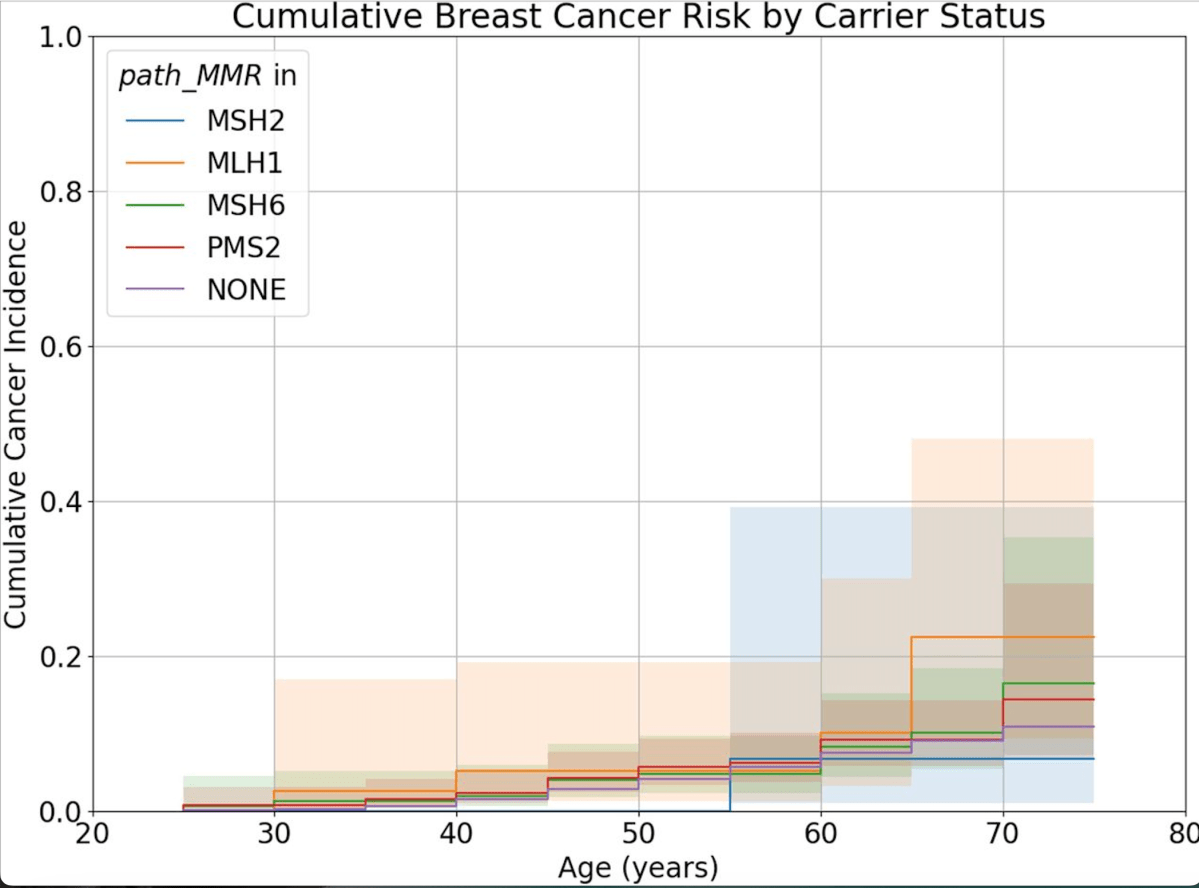
Estimating cancer risk in carriers of Lynch syndrome variants in UK Biobank

Conclusion:

 These results support offering incidentally identified carriers of any path_MMR surveillance to manage colorectal cancer risk.

Incidentally identified carriers of pathogenic variants in MLH1MSH2 and MSH6 would also benefit from interventions to reduce EC risk. The results suggest that Breast Cancer is not an LS-related cancer.

https://jmg.bmj.com/content/61/9/861

Living Beyond the Diagnosis: Lynch Syndrome Awareness

My paternal family medical history is marked with early-onset colorectal cancer. Learning about my genetic status was a life-changing experience. The discovery that my condition was hereditary meant that my family members, including my son, could also be at risk. Certified genetic counseling played a crucial role in my journey, helping me comprehend the significance of genetic testing and how to manage my health moving forward. 

If you meet one or more of the red flags below, I urge you to consult with your doctor and a certified genetic counsellor: 

  • Family member with a confirmed diagnosis of Lynch syndrome 
  • Colorectal and endometrial cancer diagnosis at any age, particularly after pathology testing shows alterations related to Lynch syndrome
  • Multiple primary cancer diagnoses
  • Several family members have had cancers related to Lynch syndrome.

Despite the challenges, living with Lynch syndrome has empowered me to make informed health choices, advocate for better healthcare, and support others, striving for a healthy, fulfilling life.

https://www.ihadcancer.com/living-beyond-the-diagnosis-lynch-syndrome-awareness

One test to detect multiple cancers – where are we now?

Most cancers diagnosed at an earlier stage have a better prognosis. Detecting and diagnosing cancer earlier can mean there are more treatment options for patients and, ultimately, can help people survive cancer and lead longer, better lives.  

What are multi-cancer tests?

As described above, an MCT is a tool that searches for multiple cancers in one sample, typically blood, urine, breath, or stool. All MCTs share some similarities, but the ways they identify cancers can be slightly different.  

MCEDs(multi-cancer earlier detection tests) could completely change what cancer screening looks like by making it possible to screen for multiple cancers with one test. MCEDs could also allow us to screen for cancers that aren’t covered by individual screening programmes, including less common cancers. That means MCEDs could be a more efficient way to find more types of cancer earlier, when they are more curable, helping people live longer, better lives. 

https://news.cancerresearchuk.org/2024/06/12/multi-cancer-tests-mced-tests-where-are-we-now/

What increases my risk of uterine (womb) cancer?

The cause of uterine (womb) cancer is unknown. But there are certain things called risk factors that can increase your chance of developing the disease. These include:

  • Age: It is more common in women after the menopause between the ages of 50 and 64.
  • Being overweight: If you are overweight, your risk of uterine cancer is increased.
  • Hormone replacement therapy (HRT): If you are taking oestrogen-only HRT for a long time after the menopause, your risk of uterine cancer is slightly increased.
  • Family history: Family history of uterine cancer in a first degree relative (mother, sister, daughter). If you have an inherited faulty gene, it raises your risk of developing uterine or bowel cancer. In a small number of families, this faulty gene can cause a condition called Lynch Syndrome .
  • No pregnancies: If you have not had children or never been pregnant, your risk of uterine cancer is increased.
  • Polycystic ovaries: If you have polycystic ovaries, your risk is increased. This is a condition where cysts grow in the ovaries.
  • Menstrual history: If your started your periods early in life and / or started your menopause later, your risk is higher. 

https://www.cancer.ie/cancer-information-and-support/cancer-types/uterine-womb-cancer/what-increases-my-risk-of-uterine-womb-cancer

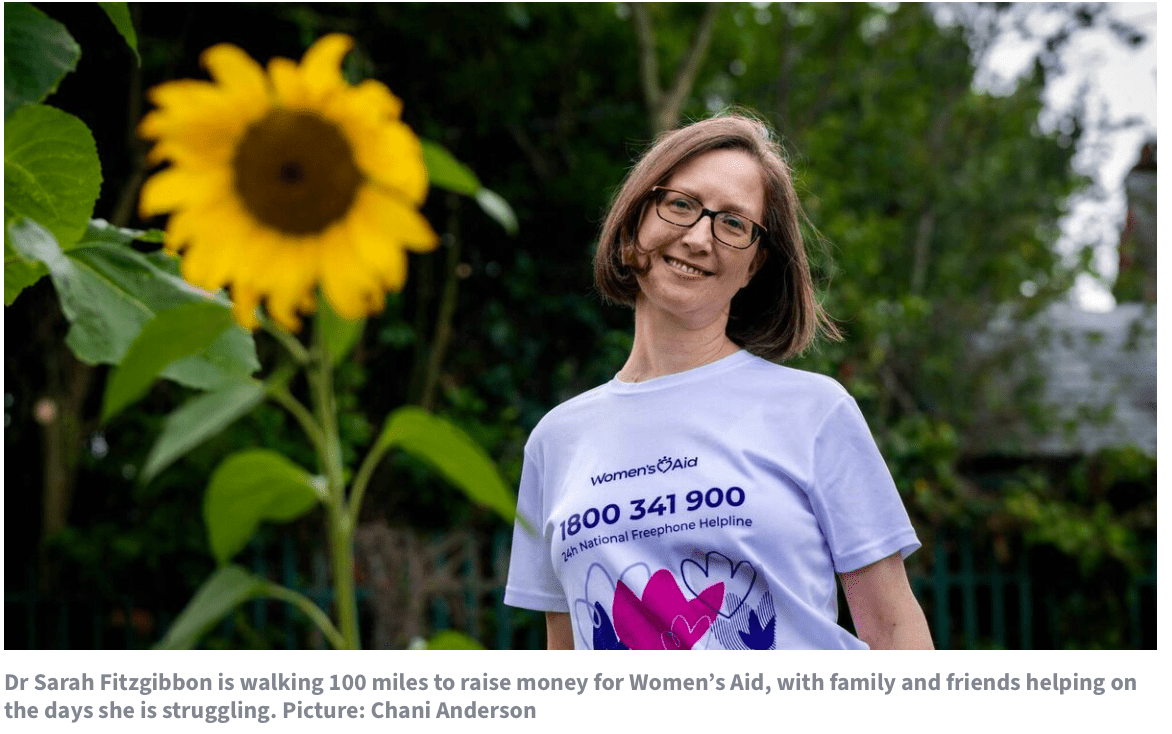
Cork doctor with bowel cancer: ‘More people are getting it under age 50’

She talks with humour about her cancer journey. “I try not to take anything too seriously. With cancer and advanced cancer — and what might be called terminal cancer — people can be unsure how to talk about it. I’m very open about serious illness and humour’s important in helping have these conversations.”

She started her blog, Adventures of a Sick Doctor, after her first diagnosis, to let scattered-around-the-globe family and friends know how she was doing. She never expected its broad public appeal.

“Changes in bowel habits, losing weight, blood in poo; any of these, it’s very important to visit the GP. If you’re between 59 and 70, sign up for bowel screening.

“It’s one of the best ways of avoiding the bowel cancer journey I’ve been on.”

https://www.irishexaminer.com/lifestyle/healthandwellbeing/arid-41479222.html?fbclid=IwY2xjawFeCMNleHRuA2FlbQIxMQABHfiyLhYeqZ-3wXip9srbTmFVtYCGyElDA2XikxDvGWbvY_zDOa3nz1pVSw_aem_AmQPPxy0WF2Du1QNTqoxSQ

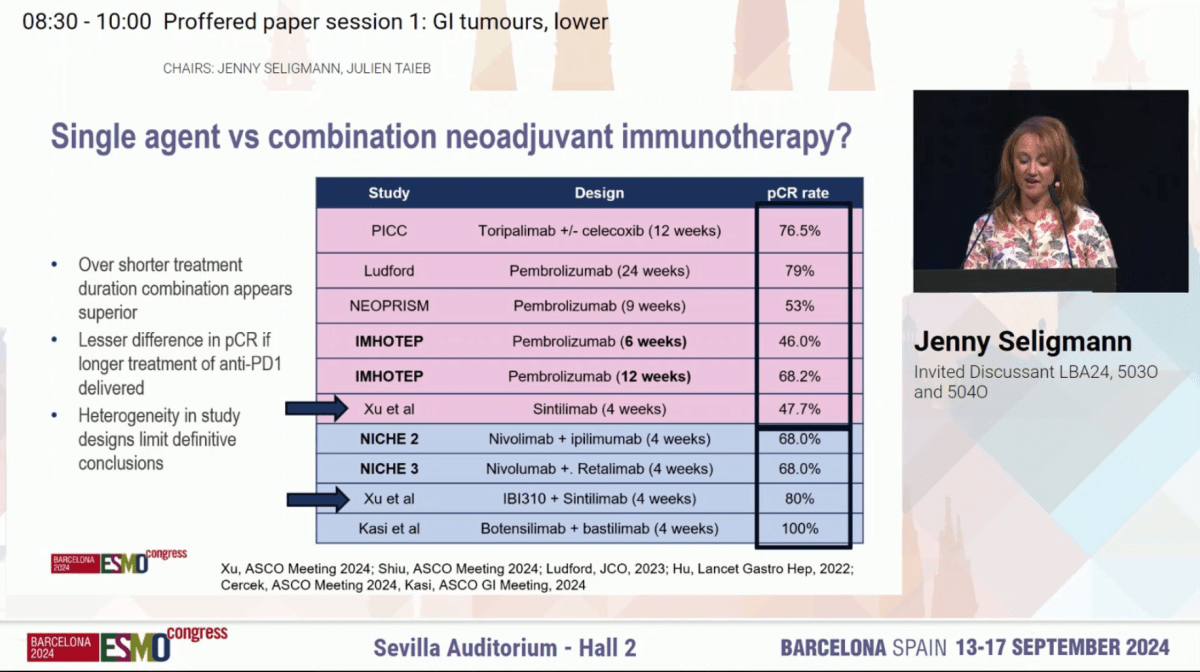
Study results further support the use of neoadjuvant immunotherapy in dMMR colon cancer

Three-year disease-free survival data from NICHE-2 and findings from NICHE-3 add to current knowledge on the benefits and provide further evidence for neoadjuvant immunotherapy in the treatment of mismatch repair-deficient (dMMR) colon cancer

https://dailyreporter.esmo.org/esmo-congress-2024/gastrointestinal-cancers/study-results-further-support-the-use-of-neoadjuvant-immunotherapy-in-dmmr-colon-cancer

Lynch Choices

  • Lynch syndrome (‘Lynch’) is an inherited condition that increases the chance of developing certain cancers. The type of cancer depends on the genes involved.
  • This website helps people with Lynch to make choices that are right for them. It is designed to be used with support from the genetics service, GPs, healthcare teams in the community, charities and patient groups.
  • If you are concerned about Lynch but have not been diagnosed, please speak to your GP or genetics service.
  • Each session helps you think about your choices at home, so you are ready to talk through your choices with a GP, genetics or other specialist.

https://canchoose.org.uk

 End the Stigma surrounding gynaecological cancers on this World Gynaecologic Oncology Day 

 One in Seven Women in Ireland Avoid GP Visits Due to Embarrassment Discussing Symptoms.

  • Almost 2,000 Women Diagnosed with Gynaecological Cancers Across Ireland Annually 
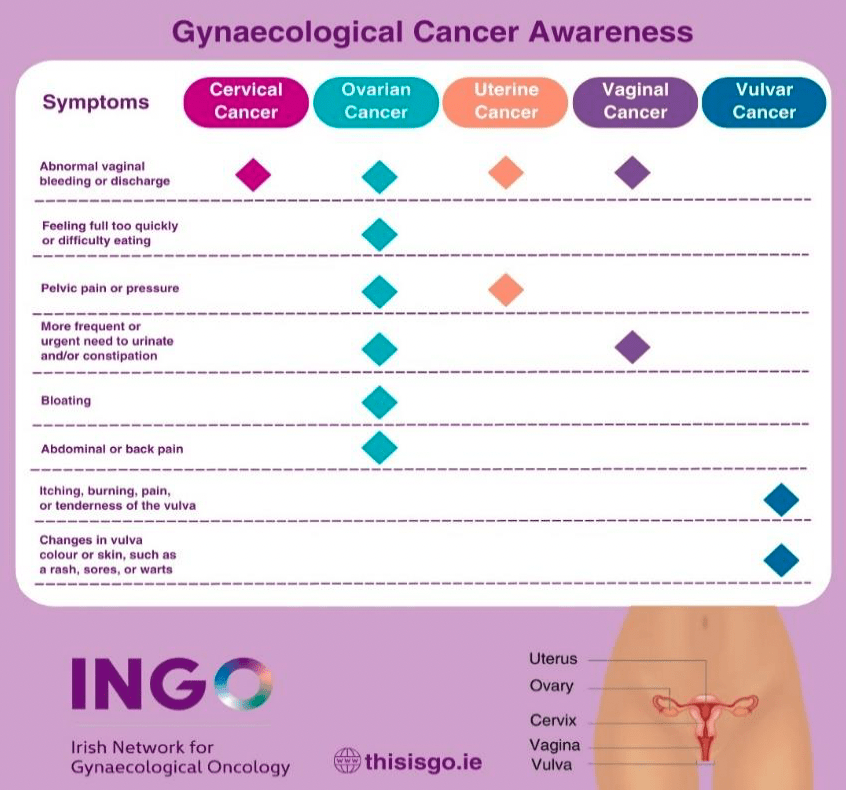
  • Only two in five recognise abnormal bleeding or discharge as symptom of uterine cancer 
  • Only a quarter of women identify changes in urinary habits as symptom of vaginal cancer 

Today is World GO Day or World Gynaecologic Oncology Day where patients and advocates around the globe unite to raise awareness about all five gynaecological cancers (vulval, vaginal, cervical, uterine and ovarian) and their risk factors and to combat the stigma associated with gynaecological cancer.

The Irish Network for Gynaecological Oncology (INGO), a voluntary coordination body consisting of over 30 of Ireland’s foremost gynecological cancer campaigners, researchers and patient advocates aim to educate people about the importance of sharing information in relation to prevention, symptoms, early diagnosis and treatment. 

Research commissioned by INGO shows that stigma surrounding gynaecological cancers and their symptoms can prevent some women from attending their doctor with warning signs. 

One in seven women in Ireland said they would not attend a doctor with cancer warning signs as they find it embarrassing to discuss symptoms, and one in five would not go to the doctor as they do not want to talk to the GP receptionist about symptoms. Furthermore, one in three would not attend if they found it difficult to get an appointment with a particular doctor.

This World GO Day, Fri 20th September, INGO are hosting a free webinar at 1pm for anyone who would like to learn more about the five gynaecological cancers and their symptoms, with insights from cancer patients and medical professionals.

Register for the webinar at http://www.bit.ly/GO_symptoms 

http://www.isgo.ie/irish-network-for-gynaecological-oncology/ 

#WorldGODay2024