
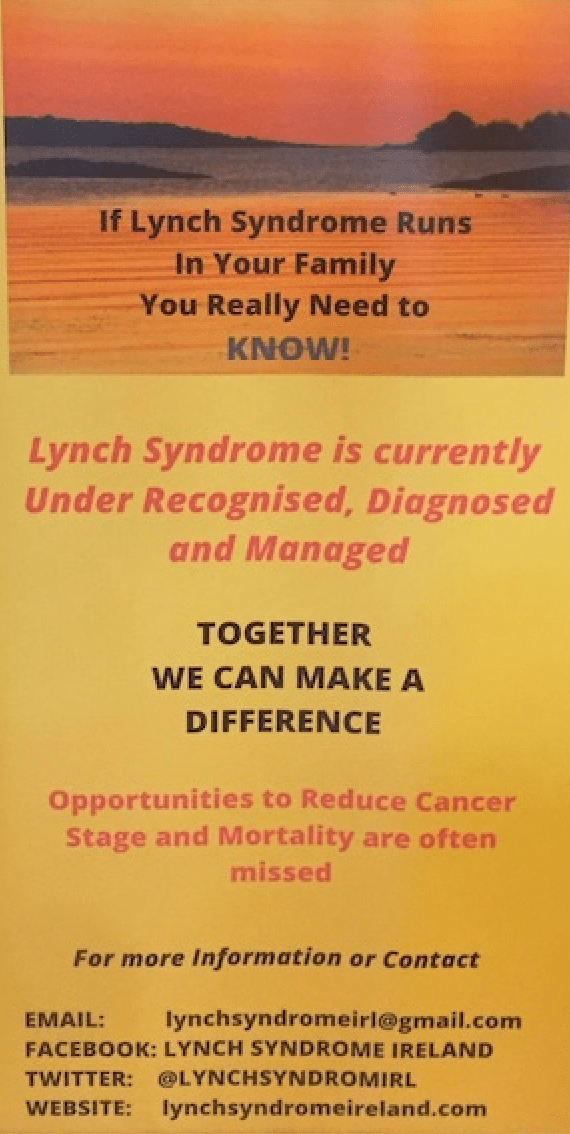
- Lynch syndrome affects 1 in 279, increasing cancer risk and highlighting the need for genetic testing and preventive measures.
- Previvors navigate a complex emotional landscape, balancing grief, fear, and resilience while advocating for awareness and education.
- The medical system often overlooks previvors, who face high healthcare costs and the emotional burden of preventive measures.
- Prevention, genetic testing, and understanding family history are crucial for managing hereditary cancer risks and saving lives.
Category: Survivors
COPING WITH CANCER: SEEING A COUNSELLOR

“I never felt like “it” couldn’t happen to me. It’s just genetics. Luck of the draw. It’s how the universe works. Not to make light of things, but in a phrase it is what it is.”
“Neither did I feel the the need for a support group. The last thing I wanted to do when I wasn’t being a cancer patient is be a cancer patient.”
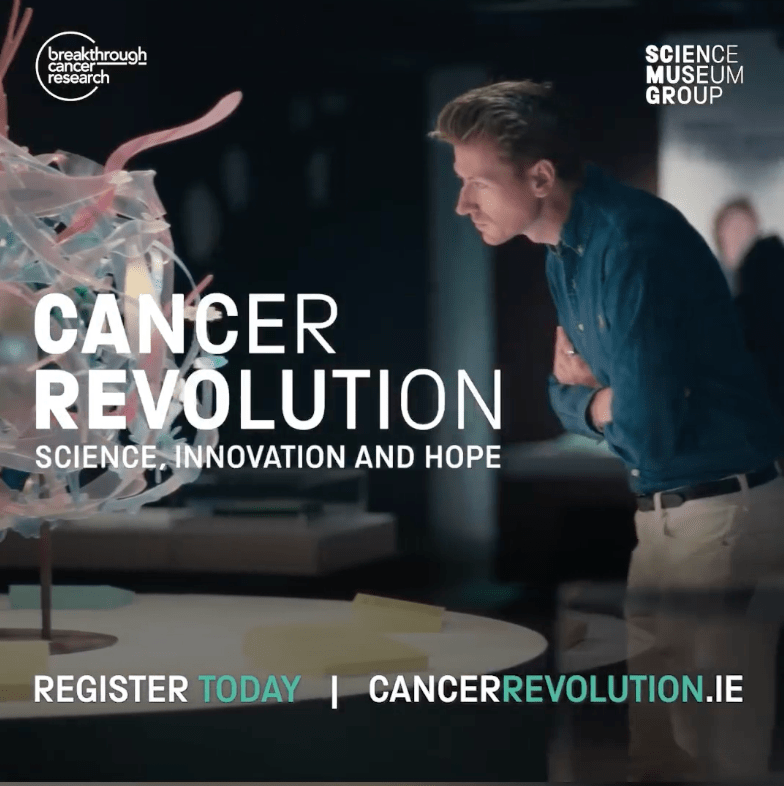
Cancer Revolution Exhibition
WHAT YOU’LL DISCOVER
- Real stories from people affected by cancer
- Groundbreaking science that’s shaping the future of treatment
- Interactive exhibits that let you explore how cancer works
- The surprising truth about prevention, early detection, and personalised treatment
- Hope – through the power of research
Building Supportive Communities for Patients Navigating Cancer

Key Takeaways
- Stage 4 cancer patients often find more relevant information from peers than healthcare providers, highlighting the importance of community connections.
- The cancer community’s collective wisdom aids in finding appropriate care, resources, and support for patients and their families.
- Despite the loneliness of a cancer diagnosis, being part of a supportive network ensures individuals are never truly alone.
- The willingness of cancer advocates to share knowledge and resources is invaluable in helping others navigate their diagnosis and treatment journey.
https://www.curetoday.com/view/building-supportive-communities-for-patients-navigating-cancer
How old would you be if you didn’t know how old you are?

We are pretty new at all of this, but we can do better.
Honoring and embracing those with more wisdom and experience seems like a win-win.
Fighting and fearing a natural process that only occurs if we have been fortunate enough to stay living, in spite of near misses and close calls and the dangerous risks we have been known to take, holds us all back.
Cancer: A word to dread, to not fear and NEVER to celebrate

Those of us going through or have gone through cancer can’t escape the utter dread you feel when that medical person tells you to your face you have cancer. Regardless of the type or severity of cancer, you hear that word in your ears, you feel that word enter your body, mind and psyche, your world stops. Your mind goes blank.
My progress and response to my ongoing treatment for inoperable prostate cancer has been extremely encouraging. I hope to be given great news around the second anniversary of my diagnosis next October. It’s by no means a given. I must stay focussed and positive. And I will. I am grateful for all I have despite that life-changing day nineteen months ago.
Cancer is a fucking curse. Cancer is a wrecking ball, physically and mentally. Be grateful if it never comes to your door. Be better in life. We’re not perfect, we all do and say stupid things, so we can all be better. But be better.
Yes, I still think about cancer every day!

“There is wisdom in survival. There is wisdom in grief, in forgiveness, in having lived through things that could have broken me. That wisdom doesn’t belong in a drawer. It belongs in the world, where it might do some good.”
Cancer treatment is hard. Life when active treatment ends can be harder. In other words, the work continues. We all do this work and incorporating differently.
Navigating Patient Vulnerability During Medical Procedures

The person actually taking a sharp object to cut me open to remove my port, he never introduced himself to me.
This act of restraint heightened feelings of vulnerability and helplessness.
No one acknowledged that I was speaking.
It’s scary to be so vulnerable, no matter how old you are, no matter how many procedures you endure, especially when you’ve never met the person performing it and can’t see.
I couldn’t anticipate the impact.
The doctor who performed the procedure never came to talk to me.
Late side effects of chemotherapy

Most chemotherapy side effects are temporary. They get better once your treatment is over. For some people chemotherapy can cause long term changes in the body months or years after treatment.
https://www.cancerresearchuk.org/about-cancer/treatment/chemotherapy/side-effects/late-effects
“On days like this I wonder why there is so little help available for those, like me, who suffer from them.”
Primary Care Research into Cancer(PRICAN)

What is PRICAN?
Cancer represents a significant public health challenge in Ireland. Forecasts also indicate a potential doubling of cancer diagnoses between 2010 and 2040, primarily due to an ageing population.
In recent years, there has been a shift in cancer control strategies towards prioritising prevention and early diagnosis, as the most cost-effective long-term approach to cancer control.
The National Cancer Strategy explicitly calls for an expanded role for general practitioners (GPs) in managing the entire cancer continuum, from prevention and early diagnosis to treatment and ongoing survivor support.
Despite its increasing importance in cancer control, primary care research has historically received less funding compared to laboratory and hospital-based research.
Whilst screening enables early detection of some presymptomatic cancer, approximately 85% of cancers are diagnosed after the onset of symptoms . This fact underscores the importance of equipping primary care with robust clinical guidelines and efficient referral pathways.
The anticipated rise in cancer incidence demands proactive measures to strengthen the Irish healthcare system. By recognising the critical role of primary care across the cancer care continuum, and adopting a strategic approach to investment in research, Ireland can develop and implement evidence-based policies and strategies. This approach will not only mitigate the impacts of increasing cancer incidence but also position Ireland at the forefront of innovative and effective cancer care.
 Lynch Syndrome Ireland