First trial of vaccine to prevent Lynch syndrome-associated cancers approved to start in Oxford

This MHRA authorisation marks an important milestone as we explore approaches to shift cancer care from treating disease to preventing it.

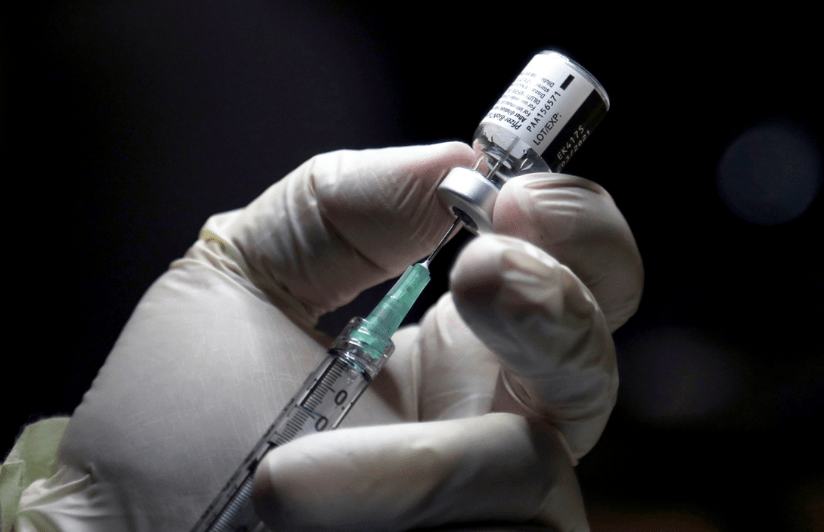
Phase 1 of the INTERCEPT-Lynch trial, which is funded by Moderna, sponsored by the University of Oxford and run by the University’s Oncology Clinical Trials Office with support from Oxford Cancer, has received authorisation from the Medicines and Healthcare products Regulatory Agency and is expected to begin recruiting participants this summer.

It will test ‘mRNA-4194’, an investigational mRNA-based vaccine developed by Moderna, which is designed to help prevent cancer in people with Lynch syndrome.

“People with Lynch syndrome live with a very high risk of developing cancer, often at a younger age than the general population. The INTERCEPT-Lynch trial represents a meaningful step in our efforts to prevent Lynch syndrome-associated cancers before they develop”


https://www.cancer.ox.ac.uk/news/first-trial-of-vaccine-to-prevent-lynch-syndrome-associated-cancers-approved-to-start-in-oxford

#NationalCancerSurvivorsDay

“Research Creates Hope 🫶
Hope Creates Survivors 🙏🏻

ThankYou to every researcher, scientist, clinician, trial participant, and supporter involved in cancer research🔬without the dedication, innovation, and breakthroughs achieved over the years, would so many of us be here today?

Research saves lives, every discovery brings hope 🧪every trial opens new possibilities 🧫and every advancement gives more people the chance to become survivors👩🏽‍🔬

Today, we celebrate not only survivors but also those working tirelessly behind the scenes to make survival possible.”

Cancer treatments are better and continuing to improve

Chemo round 184…..

Lynch Syndrome: Why Upper Endoscopies and Colonoscopy Prep Save My Life

Key Takeaways
  • Genotype-informed surveillance should pair colonoscopy with upper endoscopy when MLH1/MSH2 mutations or family history elevate gastric cancer risk. 
  • Finding benign polyps during routine scopes validates intensified screening in Lynch syndrome, shifting detection upstream before malignant transformation and reducing preventable mortality. 
  • Prep tolerability improves with pre-prep dietary lightening, chilled split-dose solutions, straw use, permitted clear-liquid chasers, aggressive hydration, and broth to support IV access. 
  • Risk management extends beyond endoscopy to anxiety coping, certified genetic counseling, early-age initiation of colonoscopy (often 20s or 10 years pre-index case), and individualized aspirin chemoprevention discussions.

St. Vincent’s University Hospital launch patient-centred Endoscopy Video Series.

Topics covered in the Endoscopy Video Series include:

  • A Typical Patient Experience
  • A Typical Colonoscopy Experience
  • A Typical Gastroscopy Experience
  • Colonoscopy Preparation – Diet
  • Colonoscopy Bowel Preparation – Morning Appointment
  • Colonoscopy Bowel Preparation – Afternoon Appointment
  • Conscious Sedation
  • After your Endoscopy.

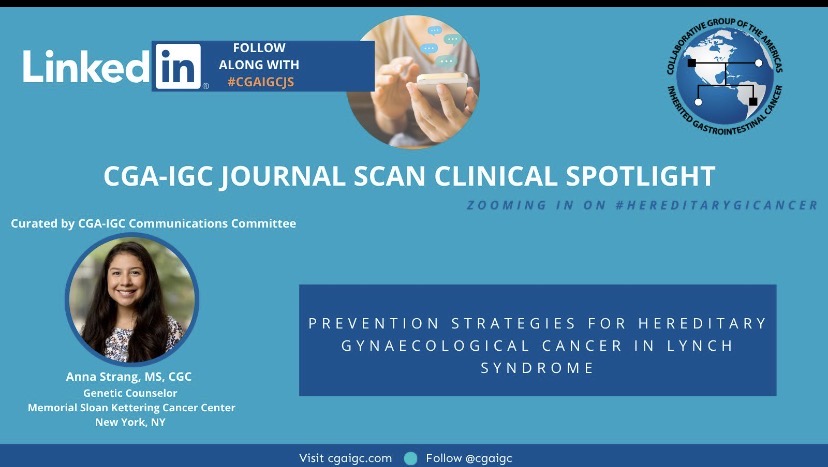
Prevention Strategies for Hereditary Gynaecological Cancer in Lynch Syndrome

At this time, there are promising emerging technologies including bio-marker-based detection using DNA methylation analysis of cervicovaginal samples, liquid biopsies and microbiome profiling that may result in less invasive and more accurate methods for early cancer detection.

https://www.linkedin.com/posts/cga-igc_did-you-miss-this-exciting-article-featured-activity-7468272808490512384-9uim?utm_medium=ios_app&rcm=ACoAABs3g3EBzKjRijqM-dZ6l7MG8TrOKYFA0ws&utm_source=social_share_send&utm_campaign=copy_link

The next wave in cancer care

The launch of The Future of Advanced Cancer Therapies in Ireland white paper at the All-Island Cancer Summit shone a spotlight on a stark reality: Ireland is producing world-class cancer innovation, yet many patients still cannot access the latest treatments.

Challenges Identified
  • Limited infrastructure and workforce capacity to deliver complex therapies.
  • High costs associated with advanced treatments.
  • Need for improved biomarker testing and precision medicine capabilities.
  • Insufficient clinical trial capacity compared with leading international centres.
  • Geographic and socioeconomic disparities in access to care. 
Recommendations
  • Accelerate patient access to innovative cancer medicines.
  • Strengthen national infrastructure for advanced therapies.
  • Expand specialist workforce training and recruitment.
  • Increase investment in cancer research and clinical trials.
  • Improve data collection and use of real-world evidence.
  • Enhance collaboration across the island of Ireland to share expertise and resources.
  • Develop long-term funding and policy frameworks to support adoption of breakthrough treatments.

My own thoughts on this are: We are great at producing reports and plans/white papers but very poor at looking at the waste within the Health System(too many administrators etc causing untold delays and waste) and ensuring that someone is responsible for delivery.

https://www.businesspost.ie/commercial-reports/the-next-wave-in-cancer-care

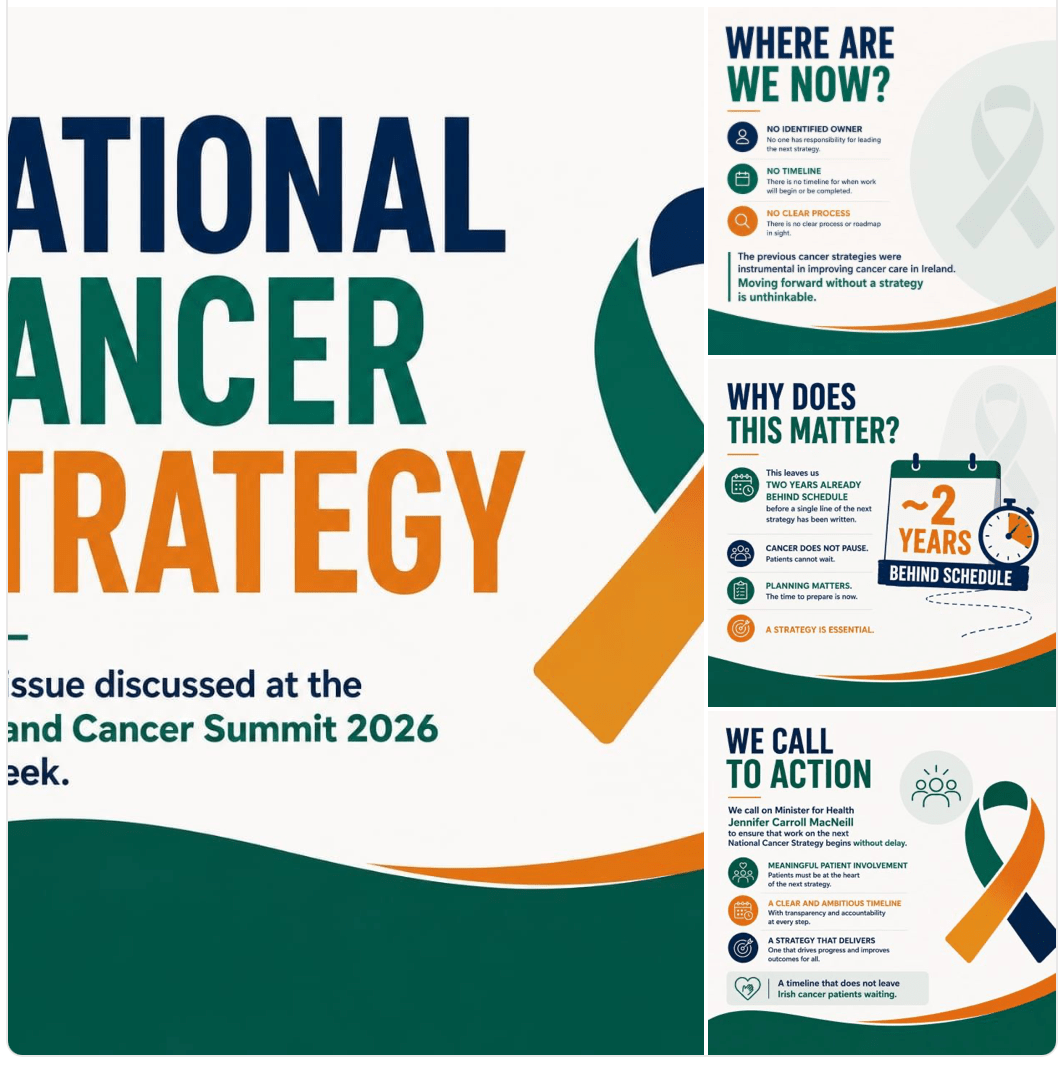
Minster MacNeill….Note….National Cancer Strategy…..Fail to prepare? Prepare to fail.

“Patients cannot exist in a policy vacuum, continuity, foresight, and accountability are essential components of public trust in healthcare systems.

National strategies shape not only clinical pathways, but also questions of equity, trust, access, accountability, and the lived experience of illness.

When there is no ownership, no timeline, and no transparent process for renewal, uncertainty is transferred onto patients and families already carrying immense emotional and structural burdens.” Pamela Deasy(Patient Advocate)