Blog

Digital Decade 2024: eHealth Indicator Study: Ireland Bottom Again

This report presents the latest results of the assessment on EU27 countries’ (plus Iceland and Norway) state-of-play towards delivering the Digital Decade’s e-Health target of 100% EU citizens having access to electronic health records by 2030.

The results describe the state of play as of 31 December 2023

https://digital-strategy.ec.europa.eu/en/library/digital-decade-2024-ehealth-indicator-study

The comprehensive English National Lynch Syndrome Registry:

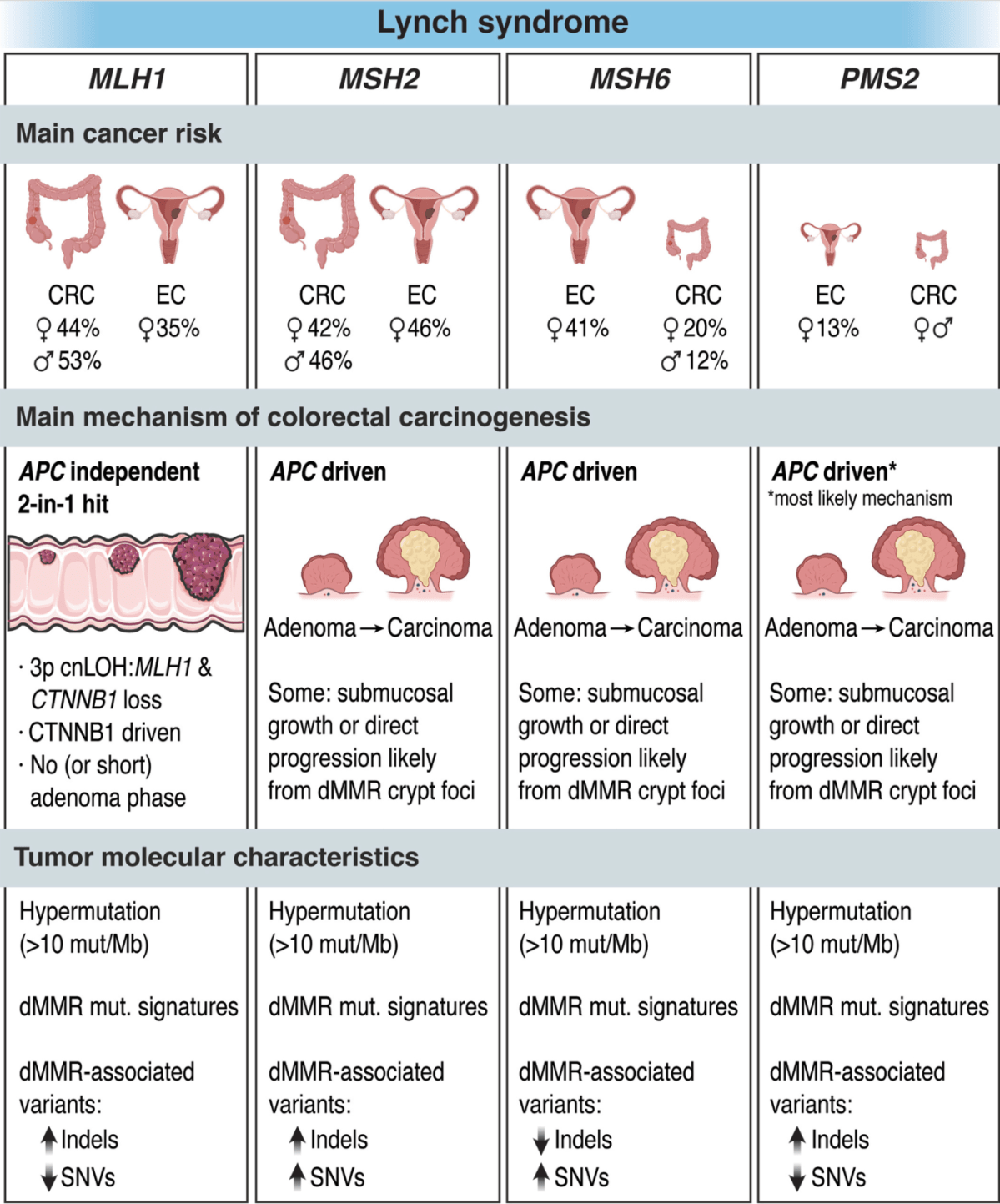
Lynch Syndrome (LS) is a cancer predisposition syndrome caused by constitutional pathogenic variants in the mismatch repair (MMR) genes.

To date, fragmentation of clinical and genomic data has restricted understanding of national LS ascertainment and outcomes, and precluded evaluation of NICE guidance on testing and management. To address this, via collaboration between researchers, the National Disease Registration Service , NHS Genomic Medicine Service Alliances, and NHS Regional Clinical Genetics Services, a comprehensive registry of LS carriers in England has been established.

The most frequently identified pathogenic MMR genes were MSH2 and MLH1 at 37.2% (n = 3362) and 29.1% (n = 2624), respectively. 35.9% (n = 3239) of the ENLSR cohort received their LS diagnosis before their first cancer diagnosis (presumptive predictive germline test). Of these, 6.3% (n = 204) developed colorectal cancer, at a median age of initial diagnosis of 51 (IQR 40–62), compared to 73 years (IQR 64–80) in the general population

The establishment of a secure, centralised infrastructure and mechanism for routine registration of newly identified carriers ensures sustainability of the data resource.

https://www.thelancet.com/journals/eclinm/article/PIIS2589-5370(24)00044-0/fulltext

GDPR and Clinical Trials Position Paper

What the Position Paper on GDPR contains

  • Data that demonstrates strong public support in Ireland for clinical trials, and the sharing of health information under controlled circumstances.
  • Clear calls to action that the Government can take to ameliorate the effect of Ireland’s interpretation of GDPR/HRR relating to clinical trials (& health research)
  • A legal analysis of the spirit and purpose of GDPR, and how it is applied to health research in Ireland
  • An overview of the GDPR-related issues besetting the clinical trials community
  • Data showcasing the variability of Ireland’s approach to GDPR & clinical trials
  • Comparative data from EU countries highlighting differences in approach between Ireland and other jurisdictions

What is the impact of GDPR interpretation in Ireland?
In a word, considerable – and it impacts patients and clinicians directly.

You can read the report by clicking on the image (left) or by clicking the button below. 

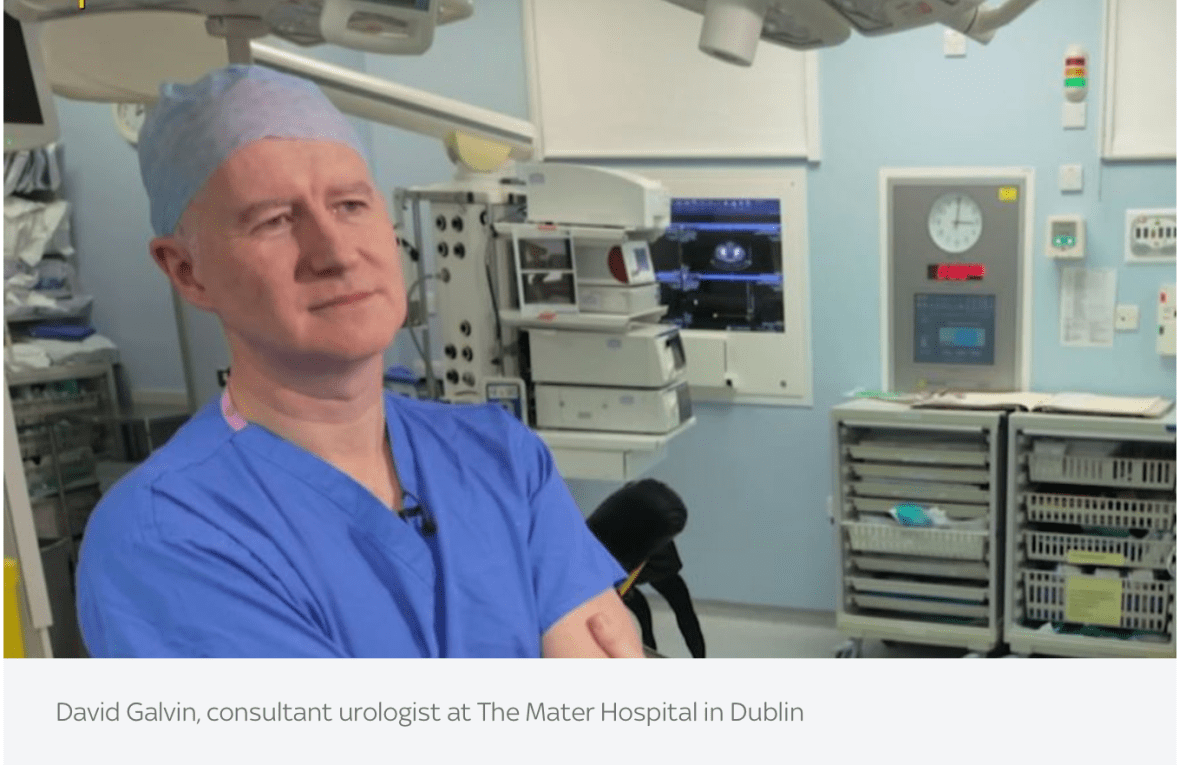
‘A day of hope’: Irish hospital patients get access to ‘early phase’ cancer drugs

“Today is a day of hope,” said Mater hospital chairman David Begg as it launched an initiative which could mean cancer patients securing access to cutting-edge drug treatments in the State years in advance of when this would otherwise have been the case.

Miriam….“While I did not have the benefit of a clinical trial, I have received new treatments that have come through in the last six to seven years. I am currently stable [but] I have had the last line of treatment. So I am looking for what is coming next.

https://www.irishtimes.com/health/2024/10/14/a-day-of-hope-irish-hospital-patients-get-access-to-early-phase-cancer-drugs/

Adventures of a Sick Doctor

Sarah Fitzgibbon: 47 year old GP, mother of three gorgeous children, wife of superhero husband, wrestler of metastatic bowel cancer.

Diagnosed with liver mets November 2014, bowel cancer diagnosed the next day. Folfox x 5, SIRT x 2, Anterior resection Oct 2015, Folfiri+panitumimab x 5 Extended hemihepatectomy April 2016. Folfiri+panitumimab again July 2016. Stereotactic radiotherapy in February 2017 Scans May 2017 – no evidence of active disease May 2018: some small lung lesions requiring more radiotherapy SBRT again June 2018 No active treatment since 2018 Until June 2024 – back on Folfiri for liver recurrence

https://adventuresofasickdoctor.blogspot.com/2024/10/so-i-left-ye-hanging-there-after-my.html

Clinical Trials Information System (CTIS)

Patients and the public can now find information about clinical trials being conducted in Ireland.

You can see which illnesses clinical trials are developing new treatments for, where the trials are taking place, such as in a certain hospital, and find contact details for the sponsor.

Visit the Clinical Trials Information System (CTIS) Public Portal and use the advanced search to search the database of ongoing clinical trials: https://euclinicaltrials.eu/search-for-clinical-trials/?lang=en

The CTIS Public Portal is part of new regulations to make clinical trial information clearer and more accessible.

Genetic Counselling

Genetic counselling is a dynamic and rapidly growing field.

The Ministry of Public Health in Qatar has recently introduced national registration regulations for genetic counsellors in Qatar, officially recognising the genetic counselling profession.

The recognition of the genetic counselling profession is marked as a significant achievement for Qatar toward the protection and future expansion of the profession.

Qatar recognised the importance of incorporating genetic counselling services into its health care system to empower individuals and families with the knowledge needed to make informed decisions about their genetic health.

https://www.sciencedirect.com/science/article/pii/S2949774424010124#sec2

Cancer Trials Ireland

Cancer Trials Ireland is a national network dedicated to advancing cancer
care through clinical trials
, where new treatments and approaches are
thoroughly tested. They unite clinical specialists, researchers, and key
stakeholders to drive evidence-based improvements in cancer outcomes.

See 2023 report:

THE UNMET NEED IN CANCER GENETIC SERVICES(2021)

This one of the recommendations of this report:

Implement a hub and spoke model with genetics expertise within the dispersed oncology system.

Genetics needs to be formally integrated into the cancer treatment pathway with uniform access to genetic testing, molecular tumour boards and access to genetics expertise and support at the point of care for both patients and their clinicians.

Where are we at now?