Stage 4 cancer patients often find more relevant information from peers than healthcare providers, highlighting the importance of community connections.
The cancer community’s collective wisdom aids in finding appropriate care, resources, and support for patients and their families.
Despite the loneliness of a cancer diagnosis, being part of a supportive network ensures individuals are never truly alone.
The willingness of cancer advocates to share knowledge and resources is invaluable in helping others navigate their diagnosis and treatment journey.
“We have our own anatomy and physiology that deserve to be studied. One of the biggest and most flawed assumptions in medicine is: if it makes sense in a male body, it must make sense in a female one, too. But in every aspect, our current medical model is based on, tailored to, and evaluated according to male standards.”
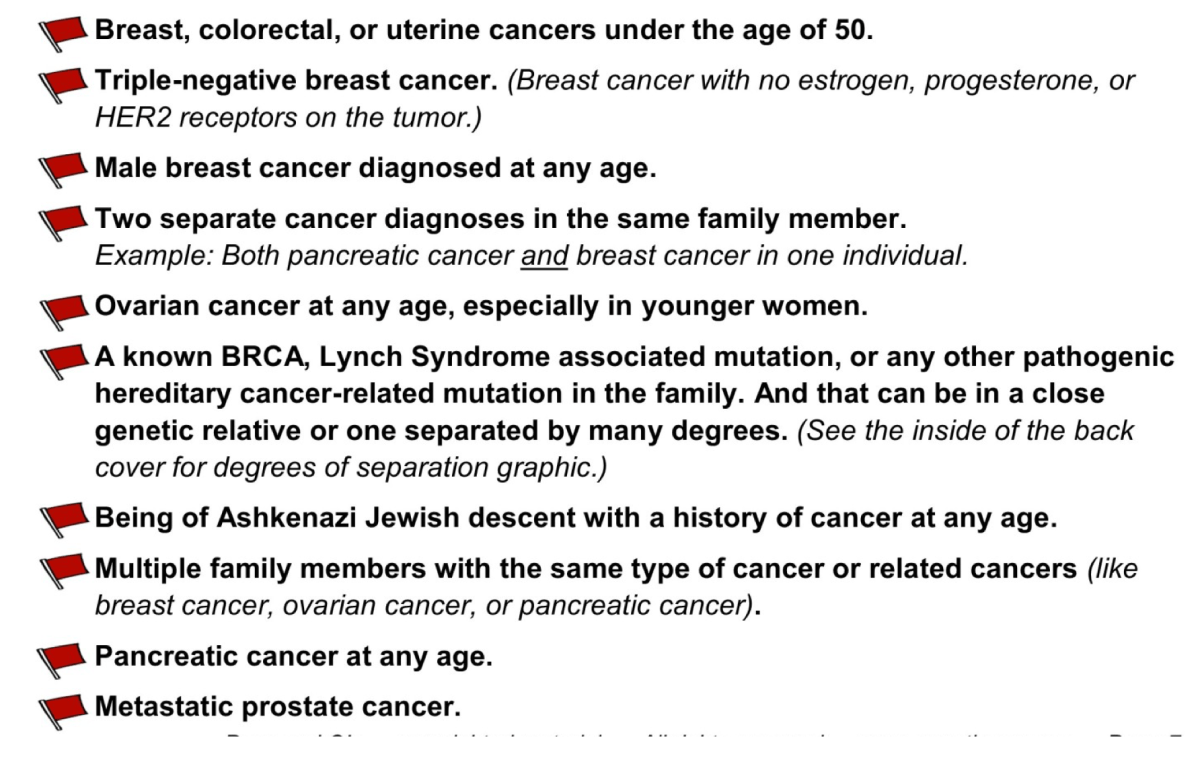
A recent survey reveals the extent of the issue: 75% of EOCRC patients saw at least two doctors before receiving a diagnosis, and 20% saw four or more. These delays, often driven by medical bias, can be life-altering.
A free online course in Randomised Trials and Their Role in Modern Healthcare! – No prior knowledge needed – At your own pace and takes approximately 5 hours – This course is free to access on FutureLearn Learn more/enrol at:
We are pretty new at all of this, but we can do better.
Honoring and embracing those with more wisdom and experience seems like a win-win.
Fighting and fearing a natural process that only occurs if we have been fortunate enough to stay living, in spite of near misses and close calls and the dangerous risks we have been known to take, holds us all back.
When we attend to both the story and the body that tells it, we move beyond treating disease. We accompany people. We don’t just understand symptoms — we begin to understand lives.
Illness lives in the body — and so does the story of it. You can hear it in a pause before someone answers. You can see it in the way they shift in a chair, the tightness in a jaw, the way breath catches or slows. These are not incidental details. They are part of the narrative, carrying meaning that lab results and scan reports can’t capture.
This is embodied storytelling: when words and the body work together to communicate the lived experience of health and illness.