Laois rural artist urges people to mind their language on illness

Whether it’s the metaphor of ‘battling cancer’ or the image of ‘frontline workers’ during the pandemic, the author contended that metaphors distort our way of thinking since neither cancer nor Covid are stages of war.

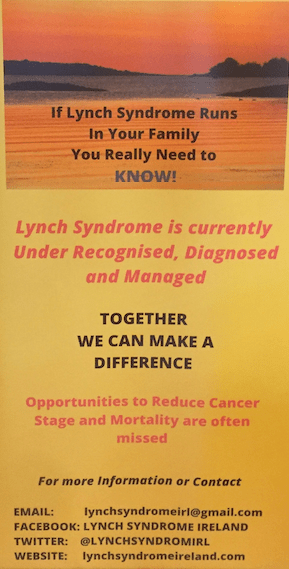
“I have a predisposition to cancer as I carry a gene which is called Lynch Family Syndrome.

“Basically my body cannot detect that cancer is growing in the first place so it very quickly escalates to a grade 4 and because it cannot recognise the disease, it also can’t repair it without help.

“I’m lucky that I know my body well and that I can present myself in time to doctors who have the expertise and modern medicines to reverse the tumour growing.”

“Participating made me look at the psychological effect years after diagnosis. Themes of loneliness, isolation, fear, self-blame, anger and disassociation were explored.

The Role of Colonoscopy in the Management of Individuals with Lynch Syndrome: A Narrative Review

Rather than continuing to shorten the timing of endoscopic surveillance, other early diagnostic techniques and subsequent prevention strategies should be forecasted in order to allow a more effective and customised endoscopic surveillance of individuals with Lynch Syndome.

Subjects with LS need clear and repeated explanations about the value of endoscopic surveillance. Often, they also require psychosocial support. The usefulness of specialised programs aiming to remind patients of the dates of both exams and clinical follow-ups has been demonstrated 

Open Questions 

These hypotheses raise several questions: assuming that there is more than one pathway to CRC, what is the relative contribution of each? Are there different genetic backgrounds? Which are they?

https://pmc.ncbi.nlm.nih.gov/articles/PMC10417258/

“For many cancers, Ireland is now 1-2 standard-of-care innovations in cancer treatment behind international comparators”

It seems to me that this headline quotation from Prof Barry of the @INFO_NCPE likely has taken him out of context in relation to Anti-Cancer Drugs.

Let me try to help make sense of this:

1. The only public funding that has gone into anti-cancer drug discovery and development that I am aware of over the past 10 years in Ireland, is funding to commercialise academic discoveries. The commercialisation of drug discovery and development is a strategic, deliberate government policy.

2. When a commercial company is successful in demonstrating that a drug improves cancer outcomes, these companies are legally obliged to maximise profit for the company’s shareholders (as far as I understand, maybe I’m wrong here).

3. The rate at which new anti-cancer drugs that objectively improve cancer outcomes achieve regulatory approval (by the EMA or FDA) is accelerating.

4. To continue to offer to public cancer patients the international standard of care (eg NCCN or ESMO recommended) anti-cancer therapies is by definition going to cost public cancer care providers more money. This is how the whole system is deliberately designed.

5. EMA approval does not guarantee an impact on the “standard of care”. For an oncologist to prescribe any high cost anti-cancer therapy in public hospitals in Ireland, first, the pharmaceutical company must apply to the @HSELive to have their drug reimbursed. Many companies do not even apply. Next, they must commit to a reimbursement process that takes 2-3 years, with no guarantee of a successful reimbursement outcome.

6. As long as I have worked for the HSE, the prescribing options available to public Medical Oncologists have been robustly restricted to drugs that have been approved through this reimbursement process.

7. No public consultant has the authority or ability within the existing system to ‘authorise’ expenditure for any high cost anti-cancer drug by signing a prescription, unless the HSE has explicitly authorised this prescription. The authorisation status is publicly available here: https://hse.ie/eng/services/list/5/cancer/profinfo/chemoprotocols/

8. If I tried to prescribe a high cost anti cancer drug that hadn’t been through the HSEs reimbursement process, it would not make it past the hospital pharmacist. In any publicly funded hospital.

9. For many cancers, Ireland is now 1-2 standard-of-care innovations in cancer treatment behind international comparators. In other words, for a long time now, the HSE has had total control over what a consultant oncologist can prescribe within the HSE. The problem is that the approval of emerging therapies is too slow, and not keeping pace with international standards, or with the private healthcare sector in Ireland.

@IMT_latest @med_indonews @hseNCCP @OECI_EEIG @IrishCancerSoc @INFO_NCPE

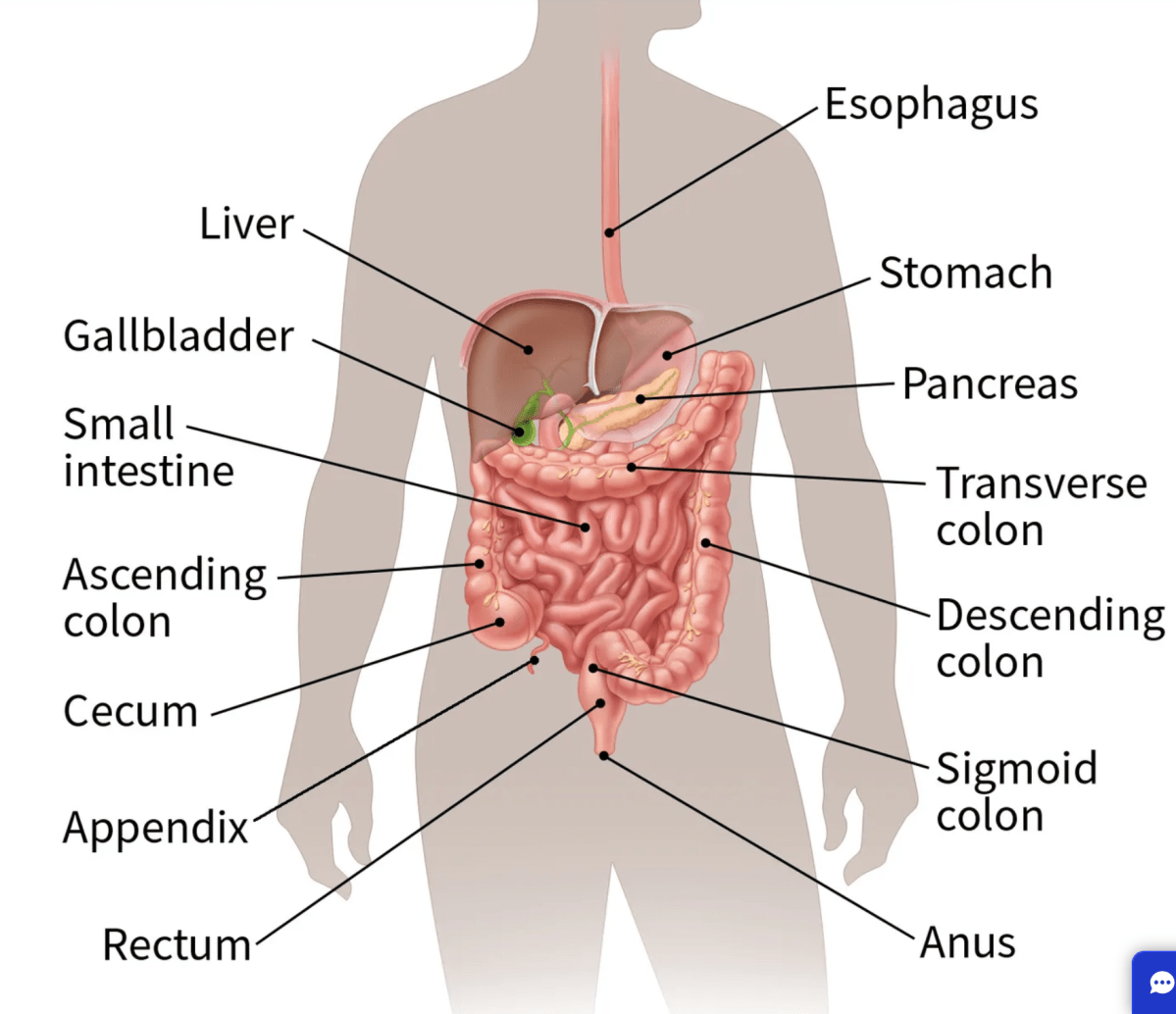
Colorectal cancer starts in the colon or the rectum. These cancers can also be called colon cancer or rectal cancer, depending on where they start. Colon cancer and rectal cancer are often grouped together because they have many features in common.

This article covers:

How do the colon and rectum work?

How does colorectal cancer start?

Polyps in the colon or rectum

How colorectal cancer spreads

Types of cancer in the colon and rectum

Be aware of signs and symptoms

It’s important for everyone to be aware of any changes in your body that are not normal for you, especially if you have an increased risk due to Lynch syndrome. Always get any changes checked by your GP, even if you have had a screening test or are due one soon.

https://www.cancer.org/cancer/types/colon-rectal-cancer/about/what-is-colorectal-cancer.html

https://www.cancer.ie/cancer-information-and-support/cancer-information/about-cancer/causes-of-cancer/cancer-and-genes/lynch-syndrome

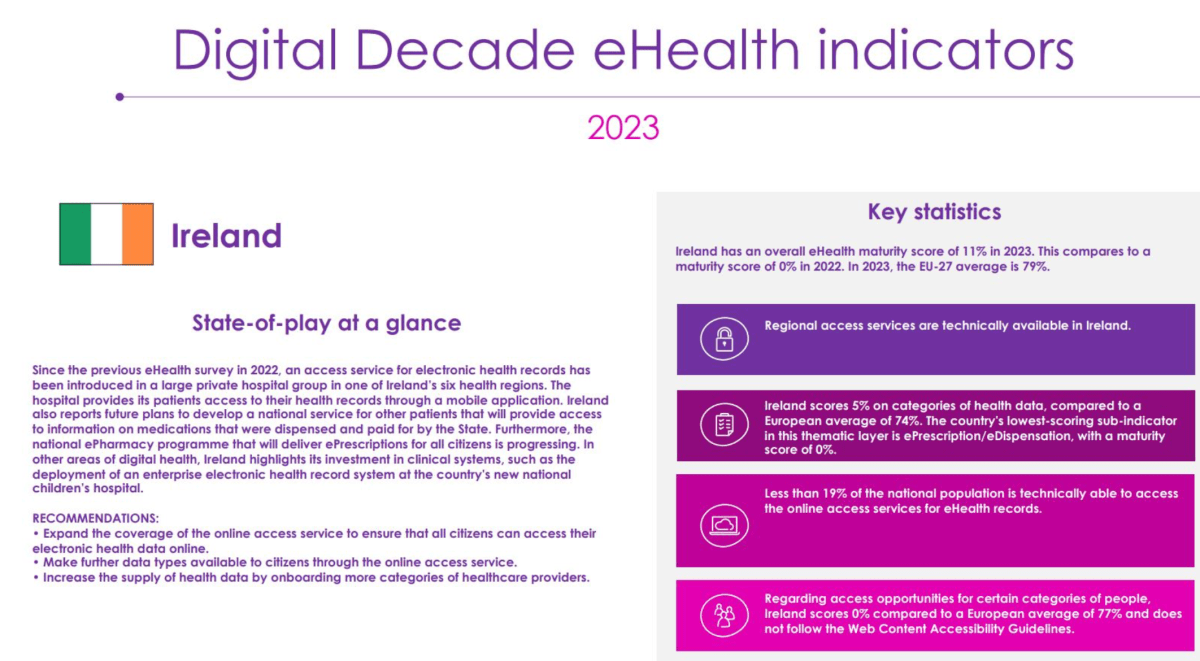
Digital Decade 2024: eHealth Indicator Study: Ireland Bottom Again

This report presents the latest results of the assessment on EU27 countries’ (plus Iceland and Norway) state-of-play towards delivering the Digital Decade’s e-Health target of 100% EU citizens having access to electronic health records by 2030.

The results describe the state of play as of 31 December 2023

https://digital-strategy.ec.europa.eu/en/library/digital-decade-2024-ehealth-indicator-study

The comprehensive English National Lynch Syndrome Registry:

Lynch Syndrome (LS) is a cancer predisposition syndrome caused by constitutional pathogenic variants in the mismatch repair (MMR) genes.

To date, fragmentation of clinical and genomic data has restricted understanding of national LS ascertainment and outcomes, and precluded evaluation of NICE guidance on testing and management. To address this, via collaboration between researchers, the National Disease Registration Service , NHS Genomic Medicine Service Alliances, and NHS Regional Clinical Genetics Services, a comprehensive registry of LS carriers in England has been established.

The most frequently identified pathogenic MMR genes were MSH2 and MLH1 at 37.2% (n = 3362) and 29.1% (n = 2624), respectively. 35.9% (n = 3239) of the ENLSR cohort received their LS diagnosis before their first cancer diagnosis (presumptive predictive germline test). Of these, 6.3% (n = 204) developed colorectal cancer, at a median age of initial diagnosis of 51 (IQR 40–62), compared to 73 years (IQR 64–80) in the general population

The establishment of a secure, centralised infrastructure and mechanism for routine registration of newly identified carriers ensures sustainability of the data resource.

https://www.thelancet.com/journals/eclinm/article/PIIS2589-5370(24)00044-0/fulltext

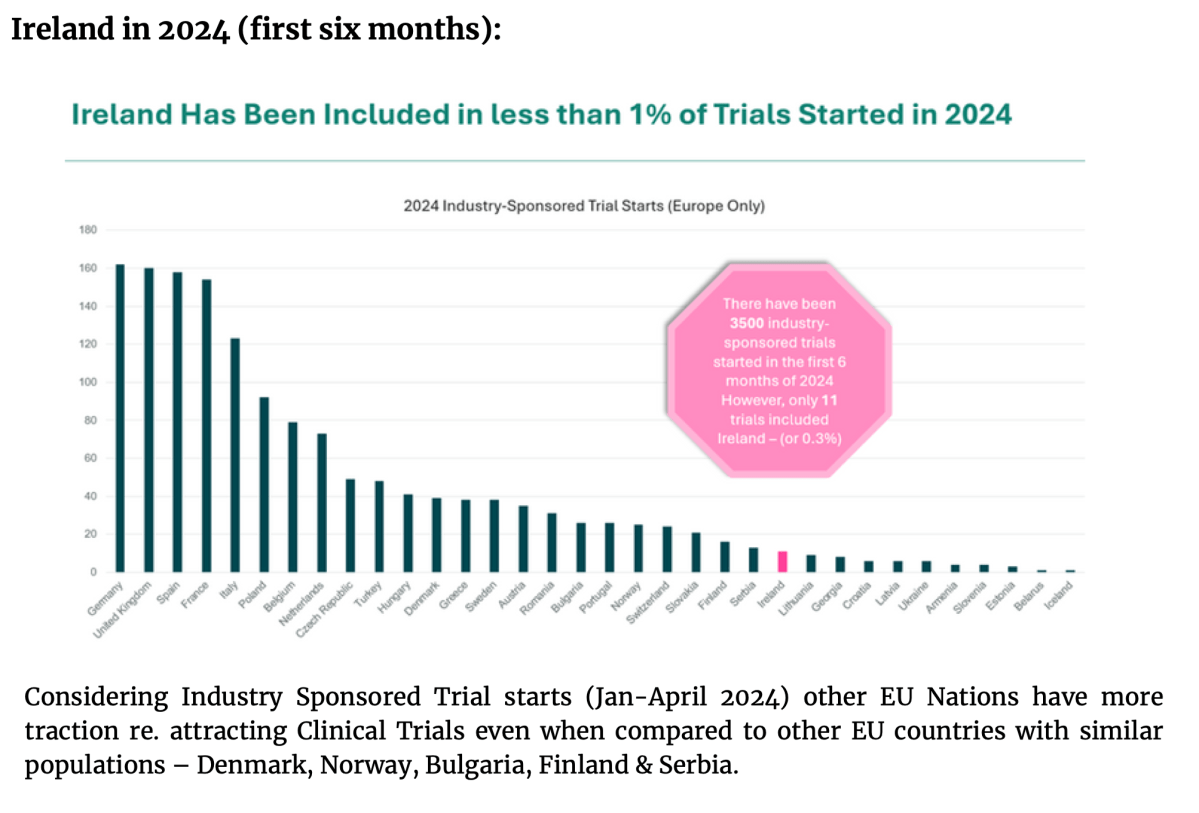
GDPR and Clinical Trials Position Paper

What the Position Paper on GDPR contains

  • Data that demonstrates strong public support in Ireland for clinical trials, and the sharing of health information under controlled circumstances.
  • Clear calls to action that the Government can take to ameliorate the effect of Ireland’s interpretation of GDPR/HRR relating to clinical trials (& health research)
  • A legal analysis of the spirit and purpose of GDPR, and how it is applied to health research in Ireland
  • An overview of the GDPR-related issues besetting the clinical trials community
  • Data showcasing the variability of Ireland’s approach to GDPR & clinical trials
  • Comparative data from EU countries highlighting differences in approach between Ireland and other jurisdictions

What is the impact of GDPR interpretation in Ireland?
In a word, considerable – and it impacts patients and clinicians directly.

You can read the report by clicking on the image (left) or by clicking the button below. 

‘A day of hope’: Irish hospital patients get access to ‘early phase’ cancer drugs

“Today is a day of hope,” said Mater hospital chairman David Begg as it launched an initiative which could mean cancer patients securing access to cutting-edge drug treatments in the State years in advance of when this would otherwise have been the case.

Miriam….“While I did not have the benefit of a clinical trial, I have received new treatments that have come through in the last six to seven years. I am currently stable [but] I have had the last line of treatment. So I am looking for what is coming next.

https://www.irishtimes.com/health/2024/10/14/a-day-of-hope-irish-hospital-patients-get-access-to-early-phase-cancer-drugs/

Adventures of a Sick Doctor

Sarah Fitzgibbon: 47 year old GP, mother of three gorgeous children, wife of superhero husband, wrestler of metastatic bowel cancer.

Diagnosed with liver mets November 2014, bowel cancer diagnosed the next day. Folfox x 5, SIRT x 2, Anterior resection Oct 2015, Folfiri+panitumimab x 5 Extended hemihepatectomy April 2016. Folfiri+panitumimab again July 2016. Stereotactic radiotherapy in February 2017 Scans May 2017 – no evidence of active disease May 2018: some small lung lesions requiring more radiotherapy SBRT again June 2018 No active treatment since 2018 Until June 2024 – back on Folfiri for liver recurrence

https://adventuresofasickdoctor.blogspot.com/2024/10/so-i-left-ye-hanging-there-after-my.html