Lynch Syndrome: A Single Hereditary Cancer Syndrome or Multiple Syndromes Defined by Different Mismatch Repair Genes?

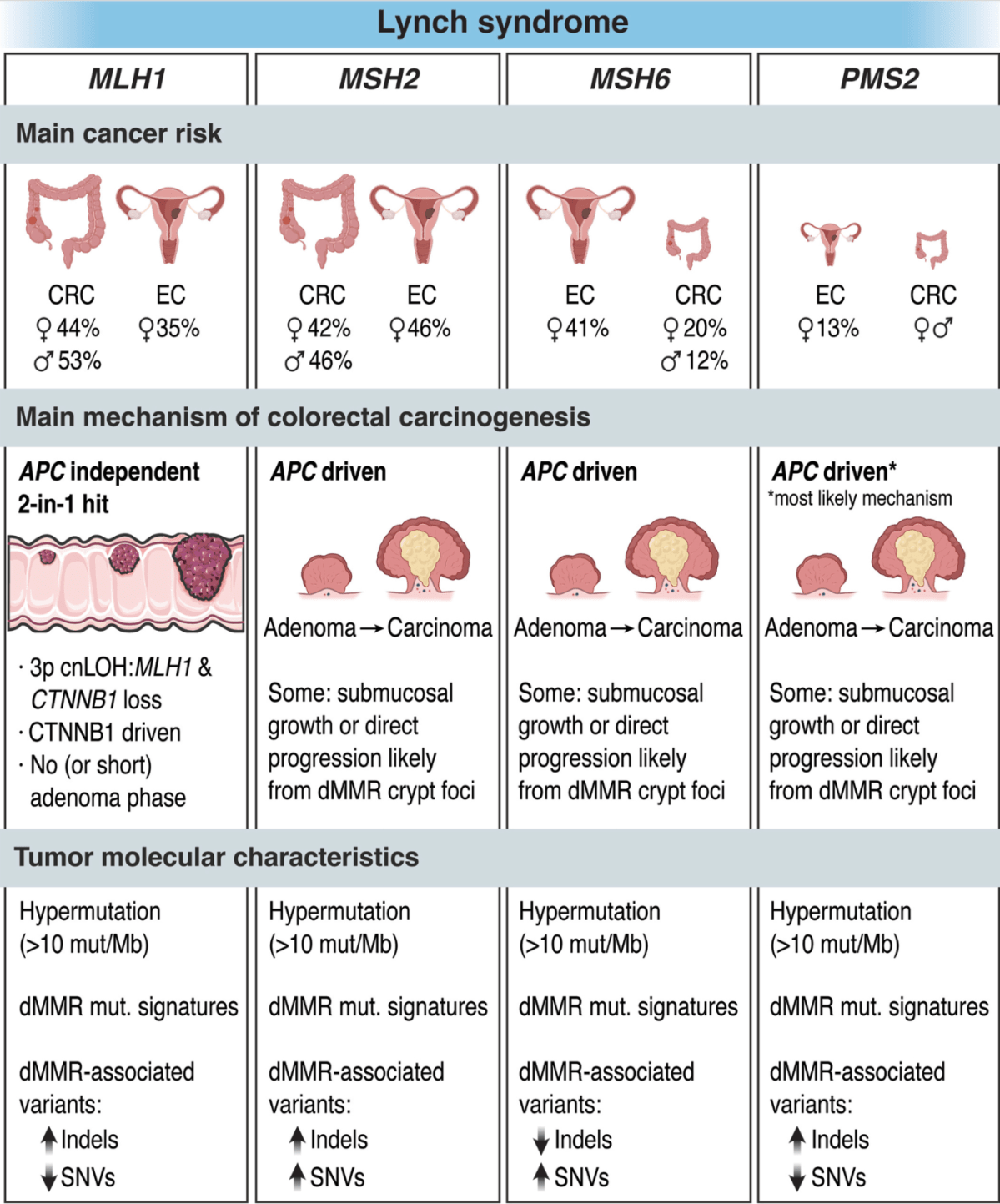
Lynch syndrome is the most common type of hereditary cancer syndrome, affecting 1 in 280–400 individuals. This predisposition to cancer is caused by inherited or germline pathogenic changes in the DNA mismatch repair (MMR) genes MLH1MSH2MSH6, and PMS2. In some cases, constitutional promoter methylation of MLH1 or MSH2 (secondary to an EPCAM5′ deletion) is also identified.

Conclusion: it may be appropriate to consider categorising Lynch syndrome as 4 distinct syndromes based on the specific altered MMR gene.

The varying carcinogenic mechanisms and associated cancer risks indicate the need for gene-specific surveillance recommendations in Lynch syndrome. Moreover, the growing understanding of gene-specific differences will likely affect treatment options and efficacy of Lynch syndrome vaccines.

https://www.gastrojournal.org/article/S0016-5085(23)00696-0/fulltext

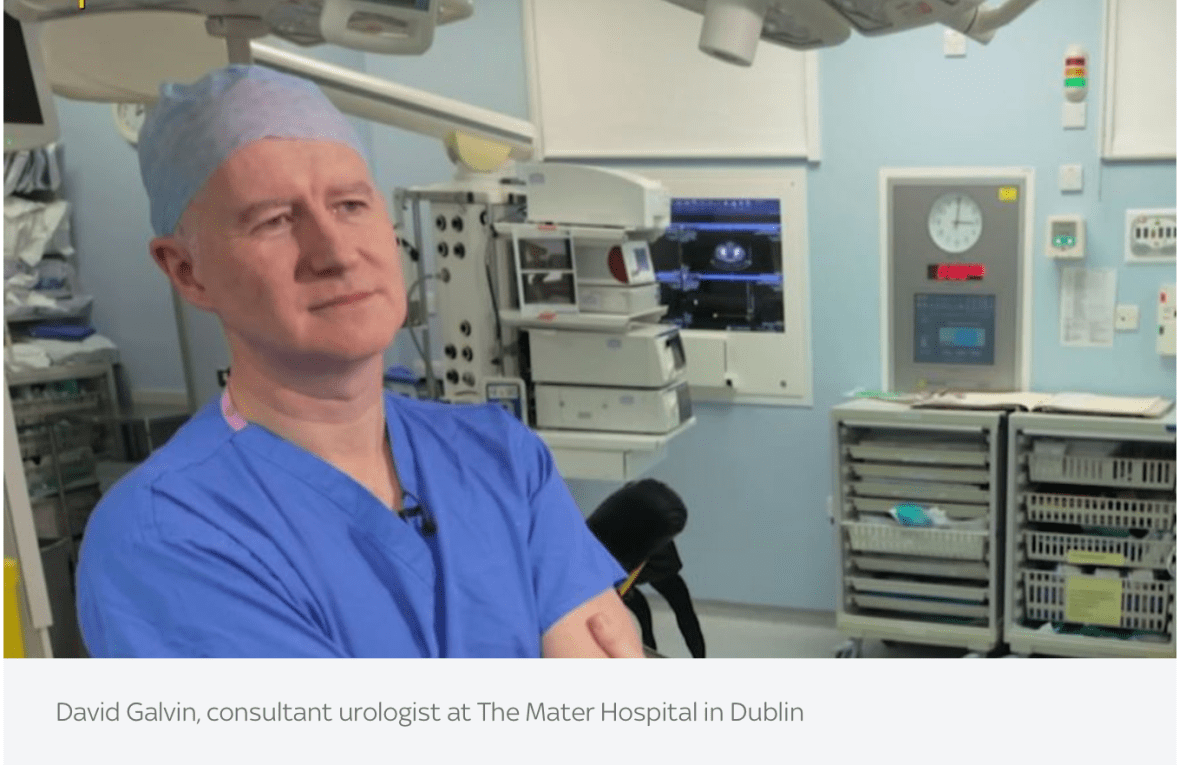
Doctor leading new screening trial warns of ‘sharp rise’ in prostate cancer if disease not detected earlier

Thousands of men are to be checked for prostate cancer in one of the first large-scale European trials of smart screening.

The pilot study, starting next week in Ireland, will combine a blood test with personal risk factors and an MRI scan to increase the accuracy of screening men in their 50s and 60s.

Up to now health experts have rejected population screening in the belief that the benefits of earlier cancer detection were outweighed by the risks that some men could have unnecessary biopsies and risky treatment they don’t need.

But in the Irish pilot study, men will be scored by their PSA level and whether they have other risk factors such as black ethnicity or a family history.

Those at low risk will be retested in future.

https://news.sky.com/story/doctor-leading-new-screening-trial-warns-of-sharp-rise-in-prostate-cancer-if-disease-not-detected-earlier-13313156

What is genomics?

Is the study of an organism’s genome – its genetic material – and how that information is applied. All living things, from single-celled bacteria, to multi-cellular plants, animals and humans, have a genome – and ours is made up of DNA.

Changes in faecal haemoglobin values over sequential rounds of faecal immunochemical tests (FIT) in a surveillance population

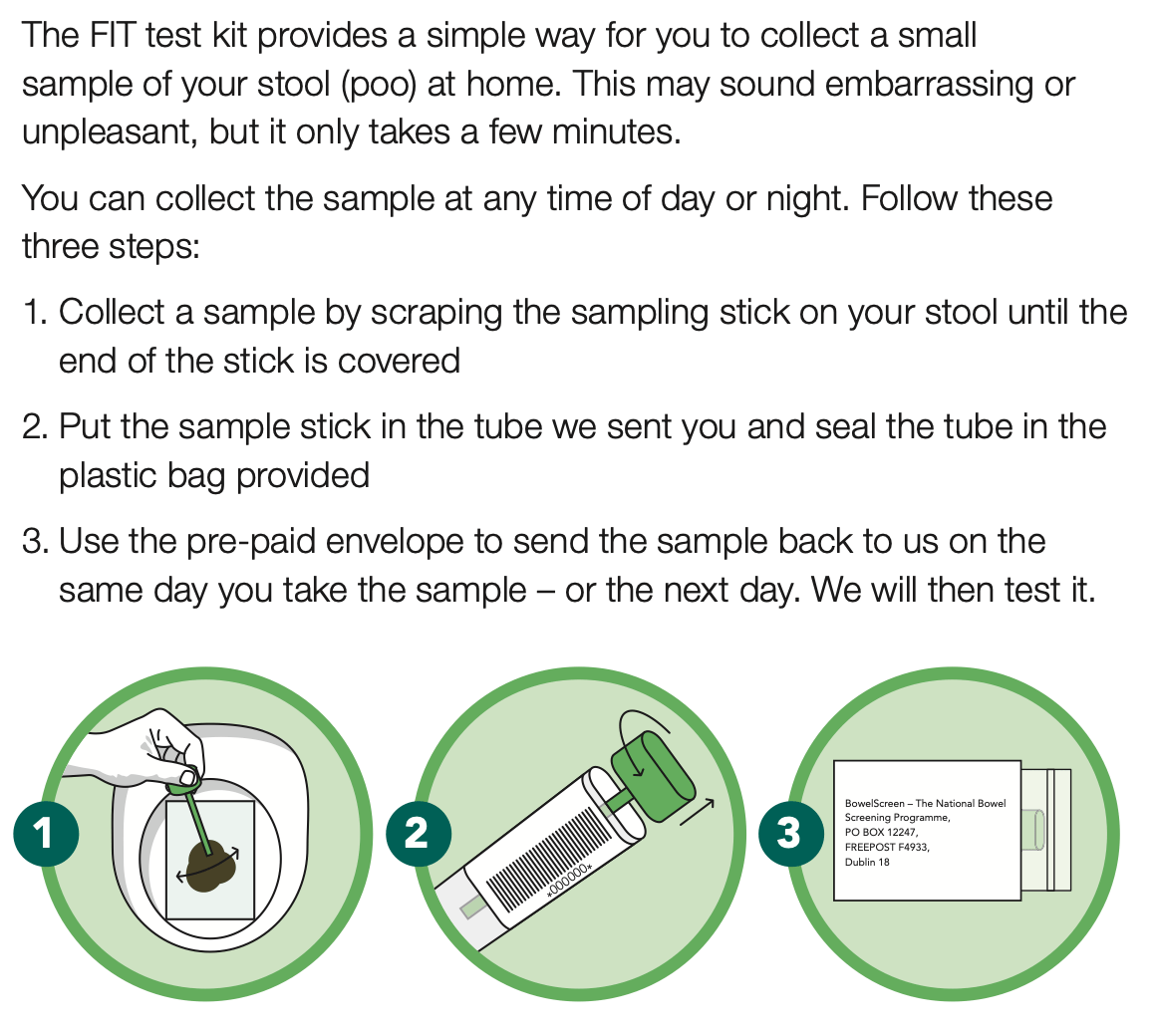
ObjectiveColorectal cancer (CRC) screening enables resection of polyp precursor lesions, preventing cancer or detecting it earlier. Post-polypectomy, people can remain at increased CRC risk, prompting surveillance colonoscopy. Less invasive faecal immunochemical tests (FIT) could reduce the burden of surveillance colonoscopy. We investigated whether changes in FIT values over multiple rounds were associated with advanced colorectal neoplasia (ACN) detection.

Conclusion: No change in FIT result across multiple rounds was associated with a low ACN detection rate, while a serial increase was associated with higher ACN detection rates. Further research should consider if sequential rounds of FIT could be used for stratifying individual risk.

https://bmjopengastro.bmj.com/content/12/1/e001651

Creation of a future European Network of National Cancer Mission Hubs (NCMHs)

ECHoS is an European project, funded by Horizon Europe Programme, that aims to support the implementation of the Cancer Mission activities in all Member State and Associated Country (MS/AC) through the establishment and development of National Cancer Mission Hubs (NCMHs) operating at national, regional, and local levels. By establishing NCMHs in each MS/AC, European citizens and organisations in health, research, and beyond, will be voiced and their voices will echo together.

ECHoS broad scope seeks to take cancer-policy dialogues beyond research and innovation, and health systems, covering also other relevant areas in cancer control and support, such as employment, education, and socioeconomic aspects.

To guarantee alignment and progress in the field of cancer, ECHoS will be guided by impacting subareas of Cancer Mission – namely prevention, early detection and treatment, quality of Life and survivorship – as well as equity, sustainability, and cross-cutting EU priorities such as social engagement and digital health.

http://www.cancermissionhubs.eu

Drug Approval/Reimbursement Process in Ireland

Once a medicine has been approved at a European level, the pharmaceutical company will make separate applications for reimbursement at a national level in different EU or EEA countries. In Ireland these applications are made to the HSE Corporate Pharmaceutical Unit (CPU) who then commission the National Centre for Pharmacoeconomics (NCPE) to carry out an assessment on that medicine.

A full health technology assessment (HTA) is a systematic assessment of the clinical and cost-effectiveness of a medicine. Only a selection of medicines are required to undergo a full HTA as part of the drug reimbursement process. The NCPE full HTA assessment takes approximately 18 weeks to complete, exclusive of the duration the HTA is queried with the Applicant (approximately five weeks as part of the stop/clock process). The full HTA report consists of the following information:

  • Disease background and epidemiology
  • Detailed description of current clinical practice and treatment options
  • Detailed description of the intervention (drug) under assessment
  • Detailed review of the clinical and comparative efficacy of the drug under assessment
  • Detailed review of the safety and comparative safety of the drug under assessment
  • Detailed review of the cost-effectiveness of the drug under assessment
  • Detailed review of the budget impact of the drug under assessment.

The outcome of a full HTA is a recommendation to the HSE on reimbursement. 

I’m confused…

Do public cancer patients have the same chance of living as those with health insurance? It appears you have across all cancers a better, faster access to cutting-edge drugs in the private system compared to the public system

Are pharmaceutical companies making separate applications for reimbursement at a national level in a timely manner? If so why is this?

Is NCPE adhering to its own time frames? If not why?

It appears that up to 40% of the new medicines approved by the EMA are not even assessed by the HSE because its approval system is so protracted it can sometimes take up to three years for the health authority to decide whether to provide the drug free of charge.Is this a process being used to slow down the approval of new drugs to save money?

Who is actually in Charge of spending the Taxpayers money?????

New report highlights UK-wide picture for people affected by Lynch syndrome

Identifying people with Lynch syndrome has important implications for the person affected, and their family members. It is also a crucial part of the puzzle to improve survival of bowel cancer, through increasing early detection in people with a high risk of developing the disease.

Since 2018, considerable progress has been made, with 90% of UK bowel cancer
patients being tested for Lynch syndrome in 2022/23.
However, significant challenges with testing family members and offering routine surveillance colonoscopies still require urgent attention.


Testing all newly diagnosed bowel cancer patients for Lynch syndrome (also called universal testing) and routine surveillance are vital to meeting the early diagnosis ambitions set out by governments and health services across the UK.

Colonoscopies – Why bother?

It just might save your life.

During my third colonoscopy colon cancer was discovered and it had advanced to my Lymph Nodes. I had no symptoms.

Why was I having colonoscopies? I had a family history of colon cancer and my sibling had tested positive for Lynch syndrome (an inherited predisposition to certain types of cancers including colon and endometrial.

I can understand why many people are nervous about getting colonoscopies. Some wonder how long a colonoscopy will take, how best to prepare for the procedure, how much time you’ll need to take off from work and how embarrassing or disruptive this important cancer screening procedure will be.

Why should people get colon cancer screenings?

The answer is simple: colon cancer screenings can detect colorectal cancer early and prevent unnecessary deaths. Colorectal cancers also are highly preventable and treatable if detected early. In fact, if doctors detect pre-cancerous polyps during a colonoscopy, they can remove the polyps during the procedure.

Prior to Colonoscopy:

Some may think…it’s not pleasant(although having had more than 15 to date I can say I do not find it so, but including the preparation, in most cases you’re spending less than 24 hours to help prevent cancer

Typically, people prepare for a colonoscopy in their homes the day or the night before along with amending their diet for a few days prior to the procedure. The Bowel preparation prescribed — which involves drinking a lot of water along with prep – can take a number of hours . That’s because you’ll be peeing and pooping out all the waste from your body, so you’ll have a clean, empty colon.

Colonoscopy Procedure:

The actual procedure is quick – usually less than 30 minutes. The doctor inserts a scope into your rectum. You are fully sedated prior to the start of the procedure and you wake up after it is over and you usually don’t remember any of the procedure. For nearly everyone, the actual colonoscopy is painless and relatively quick. You wake up, and you’re done. Aside from not being able to drive themselves home from the procedure, most people feel well and are able to eat and drink normally after a colonoscopy.

What are polyps and how common are they?

Polyps are like skin tags that form on the lining of the colon. Some of them are pre-cancerous, which means that over a period of time, they could become cancerous. So, when polyps are found during a colonoscopy, they can easily remove the vast majority of them. That’s how colon cancer is prevented through colonoscopy.”

https://www2.hse.ie/conditions/bowel-screening/colonoscopy-after-bowel-screening/

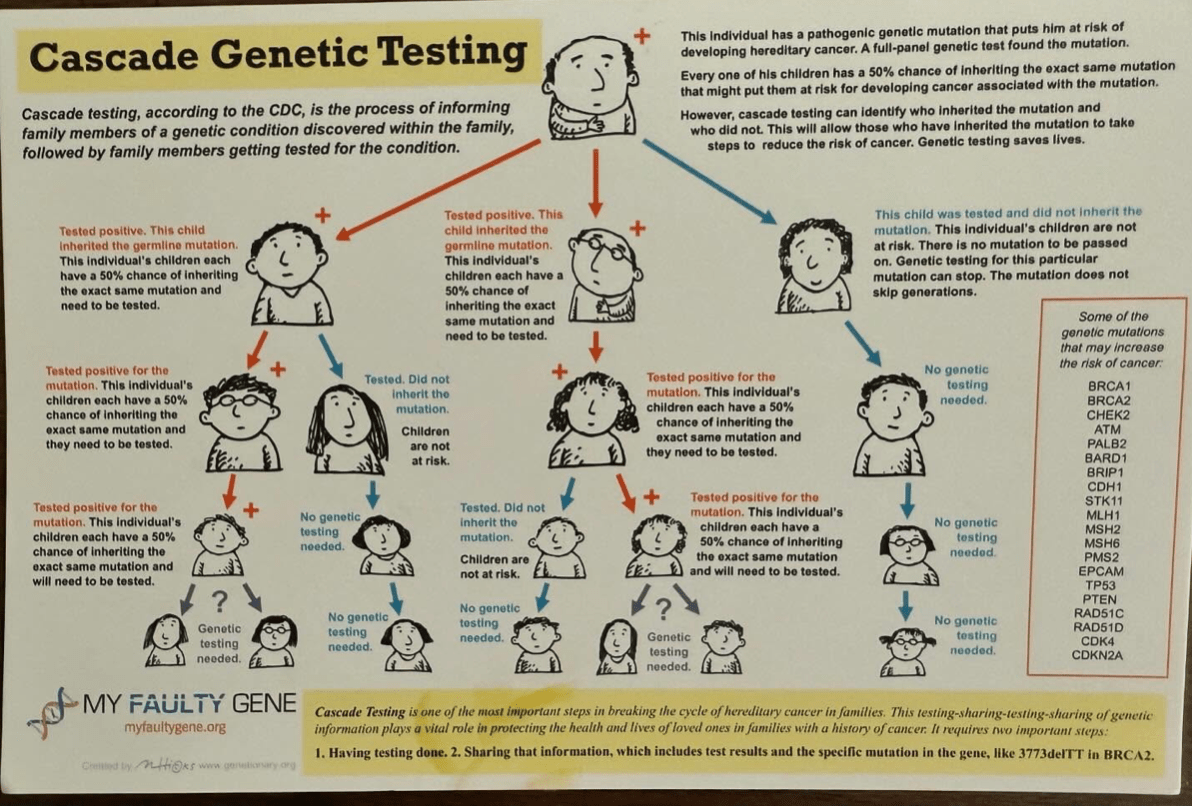
What is Cascade Genetic Testing?

Is the process of informing family members of a genetic condition discovered within the family, followed by family members getting tested for the condition.

It can identify who inherited the mutation and who did not. This will allow those who have inherited the mutation to take steps to reduce the risk of cancer. Genetic testing saves lives.

Cascade Testing is one of the most important steps in breaking the cycle of hereditary cancer in families. This testing-sharing-testing-sharing of genetic information plays a vital role in protecting the health and lives of loved ones in families with a history of cancer.

It requires a number of important steps:

1. Having testing done. 2. Sharing that information, which includes test results and the specific mutation in the gene.

In Lynch syndrome mutations in the following genes may increase the risk of cancer: MLH1, MSH2, MSH6, PMS2 and ЕРСАМ.

New prostate cancer test means some men could avoid unnecessary treatment

30% of patients have an aggressive type of this cancer needing urgent treatment, about 70% have slow-growing cancer and can be monitored without immediate treatment.

This new test was developed out of concerns over-treatment was becoming an issue for men with this type of cancer who may not need treatment. 

https://www.irishexaminer.com/news/arid-41558602.html?fbclid=IwY2xjawIJav1leHRuA2FlbQIxMQABHV–aPM8B4X_2X6JskIYQW7kjzyFYRIGV6VbTNk2DbfSROCumCTCnsOC2g_aem_D-aR8RjS62zVIh3i95144Q

Conclusion: https://bjui-journals.onlinelibrary.wiley.com/doi/10.1002/bco2.474?fbclid=IwY2xjawIJbD1leHRuA2FlbQIxMAABHUSnhz-ugdbis31f1RIiZ29Pfrmoz_JXAWilNVme-L3aFsCA35khswqsMA_aem_30sxxBEWlboKs6aqWleGgA

Biopsy-based MCRS improves risk stratification over standard clinical and pathological information and optimises patient management after diagnosis of prostate cancer.