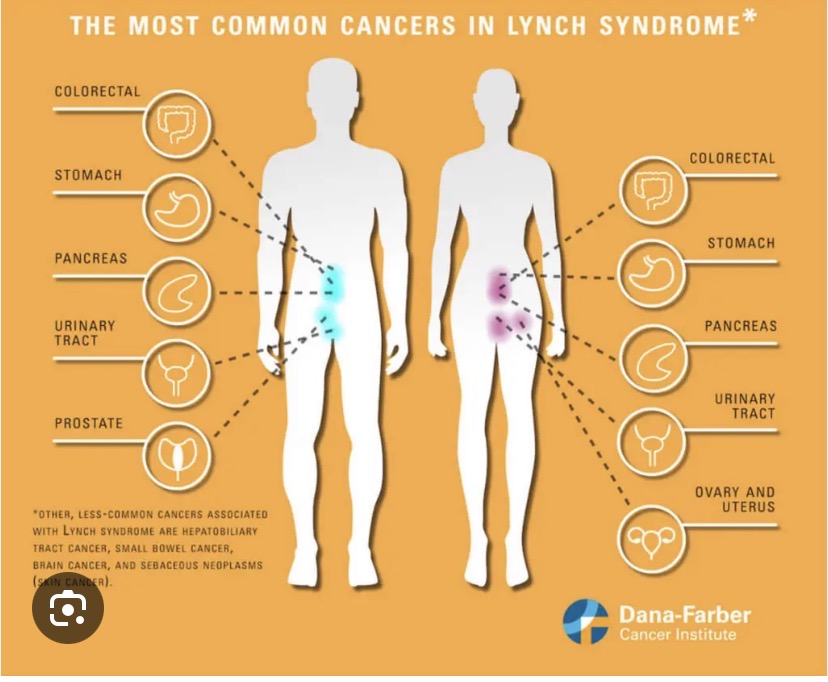
Lynch syndrome: 10 things to know about this genetic condition

https://www.mdanderson.org/cancerwise/qa-understanding-and-managing-lynch-syndrome.h00-158589789.html

Managing menopause after cancer

Prof Donal Brennan, Professor of Gynaecological Oncology in the UCD School of Medicine, University College Dublin, and colleagues have published a new featured review on menopause treatment for cancer patients.

Review aims to implement a more personalised and multidisciplinary approach in treatment of menopause symptoms after cancer.

(What about after surgical menopause?)

The article provides a comprehensive view of the current hormonal and non-hormonal therapy options studied and suggests a framework for more cost-effective and patient-focused models of care to meet the needs of a growing population of cancer survivors.

“Patients have repeatedly highlighted the burden of menopause symptoms after cancer treatment. They feel that these are often minimised or in some cases ignored,” said Prof Brennan. “

Key treatment advice points include:

  • MHT is an effective treatment for vasomotor symptoms and seems to be safe for many patients with cancer, the paper states.
  • Women younger than 45 years without contraindications should be offered an individualised treatment plan including MHT after cancer treatment.
  • If MHT is contraindicated, non-pharmacological and non-hormonal treatments are available for vasomotor symptoms; vaginal oestrogen seems to be safe for most patients with cancer and growing evidence supports safety after breast cancer.
  • Multidisciplinary management of menopause after cancer is essential and should include primary care and, if appropriate, allied health practitioners.

#NoRegrets24

What I Do When My Doctors Don’t Listen

As much as I want to believe my doctors are beyond brilliant and can do anything, they are people too. Much like me, they have good days and not-so-great ones.

What are the signs your doctor isn’t listening?

  1. Constant interruptions.
  2. Fidgeting.
  3. There but not there.
  4. Aggressive body language.

I make sure my doctor is listening by:

  1. Being prepared.
  2. Being courteous.
  3. Rewinding the conversation.
  4. As a last step, change doctors.

Rather than shrink back from having a “tough” conversation with a doctor, it is critical to do just that. Often these types of conversations, rather than ending a relationship with a doctor, strengthen it.

Lynch Syndrome and the Challenge of Getting a Diagnosis

Lynch Syndrome often goes unnoticed in the general population. This is because many individuals affected may not have a family history of cancer or may show unusual symptoms, making it hard to spot without genetic testing.

We need doctors and healthcare teams to know more about Lynch Syndrome, provide more accessible ways for people to get genetic testing, and offer simpler ways to find out if someone might have Lynch Syndrome and if they’re at risk.

Genomic Landscape of Lynch Syndrome Colorectal Neoplasia Identifies Shared Mutated Neoantigens for Immunoprevention

Report a focused somatic mutation and frameshift-neoAg landscape of microsatellite loci from colorectal polyps without malignant potential (PWOMPs), precancers, and early-stage cancers in LS carriers.

Conclusions

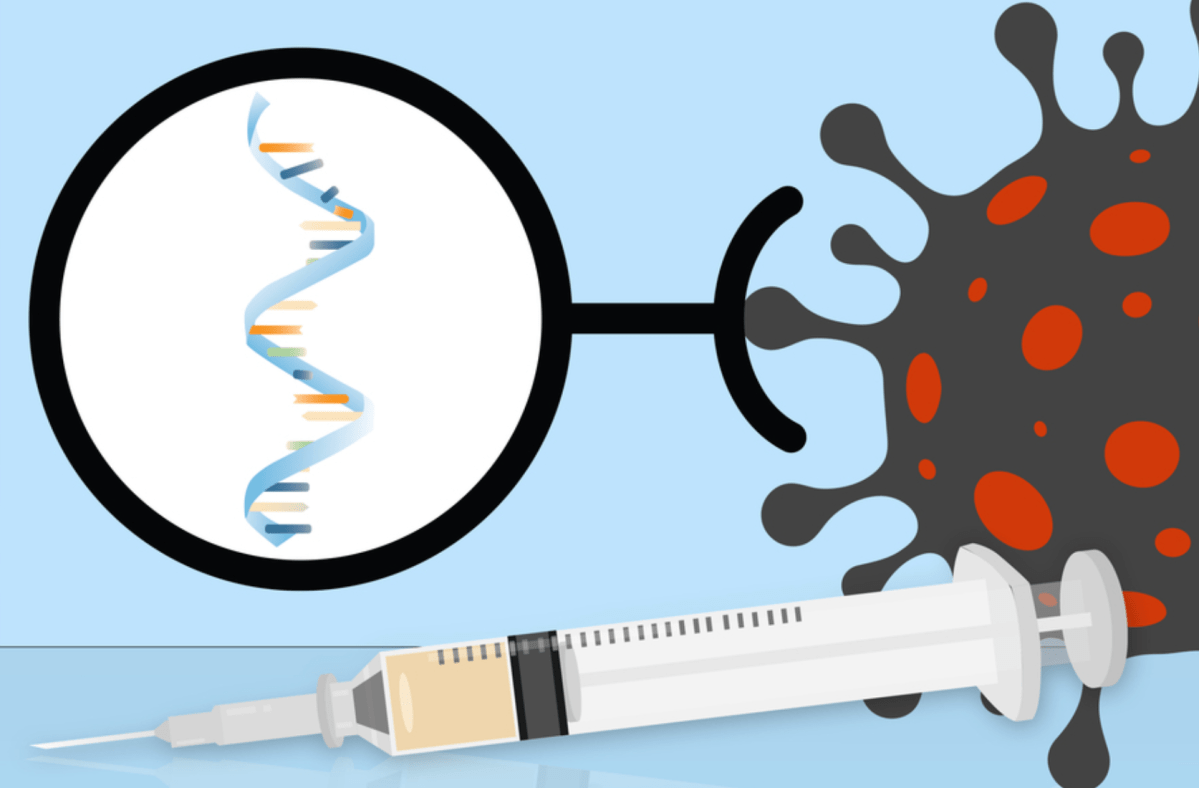
Shared frameshift-neoAgs are generated within unstable microsatellite loci at initial stages of LS carcinogenesis and can induce T-cell responses, generating opportunities for vaccine development, targeting LS precancers and early-stage cancers.

https://www.sciencedirect.com/science/article/pii/S0016508524000520

Hereditary Cancer, red flags, and how it impacts screening!

Most cancer is not inherited in families and occurs sporadically, as a result of random changes in our cells over time.  However, approximately 10% of cancer is hereditary and is due to a genetic mutation that has been passed down in the family, increasing the risk for certain cancers to develop. 
https://www.cgaigc.com/post/hereditary-cancer-red-flags-and-how-it-impacts-screening

Finding the missing 95%: Unlocking the potential of Lynch syndrome services

In recent years, breakthroughs in genetics and DNA testing have revolutionised healthcare, especially in cancer diagnosis, treatment, and care. By examining a person’s genes, we can now identify people at higher risk of developing certain cancers.

This allows healthcare providers to detect cancers at an earlier stage and make informed decisions about cancer management and surveillance. Crucially, they can also offer more effective personalised treatments and prevention strategies based on the patient’s genetic profile.

Report found:

  • There have been significant improvements in genetic testing for bowel cancer patients, with an average of 9 in 10 newly diagnosed bowel cancer patients being tested over the last financial year, but workforce and capacity issues are still barriers. 
  • Half of health authorities who responded, reported that family members of people with Lynch syndrome aren’t offered letters they can take to their GP, which is one route to accessing genetic counselling and testing. 
  • A postcode lottery for life-saving routine surveillance colonoscopies exists. Although surveillance is offered to all Lynch syndrome patients in England through the Bowel Cancer Screening Programme, only 6 in 10 health authorities across Scotland, Wales and Northern Ireland offer surveillance colonoscopies in line with clinical guidance. 
  • Major gaps in data collection and reporting on Lynch guidance and services are holding back Lynch syndrome care. 

Testing all newly diagnosed bowel cancer patients for Lynch syndrome and implementing routine colonoscopic surveillance are crucial steps in meeting the early diagnosis goals set by governments and health services nationwide.

Study Finds New Role For Vitamin D In Cancer Treatment

“These results suggest that vitamin D supplementation in patients with lower levels of vitamin D may reduce peripheral neuropathy, and particularly high-grade peripheral neuropathy, which would improve these patients’ long-term quality of life,” said senior researcher Daniel L. Hertz, PharmD, PhD, of the University of Michigan College of Pharmacy.

Hereditary Cancer Rounds – Describing the Real World Experience of Implementing a Pre-test GC Portal

Similar Population to Ireland

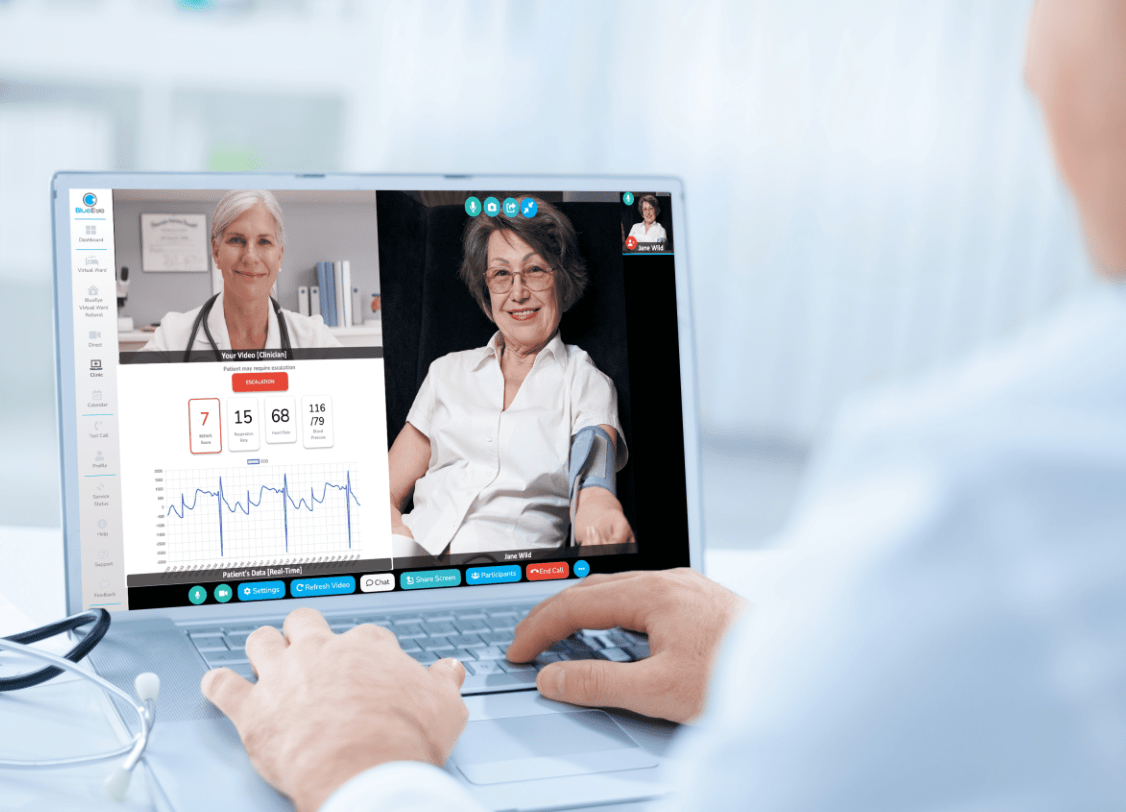
Had similar issues to Ireland…long waiting list for Genetic Counselling etc. Using technology they have improved their situation.

The Hereditary Cancer Program provides genetic counselling and genetic testing for BC/Yukon residents who may have inherited an increased risk for certain types of cancer.