Blog

Storytelling for human well-being

When we attend to both the story and the body that tells it, we move beyond treating disease. We accompany people. We don’t just understand symptoms — we begin to understand lives.

Illness lives in the body — and so does the story of it. You can hear it in a pause before someone answers. You can see it in the way they shift in a chair, the tightness in a jaw, the way breath catches or slows. These are not incidental details. They are part of the narrative, carrying meaning that lab results and scan reports can’t capture.

This is embodied storytelling: when words and the body work together to communicate the lived experience of health and illness.

https://journalofethics.ama-assn.org/article/narrative-embodiment-and-health/2025-06

Who is responsible?

Is there anyone responsible for figuring this out, or is the whole system just going to drift into the future?

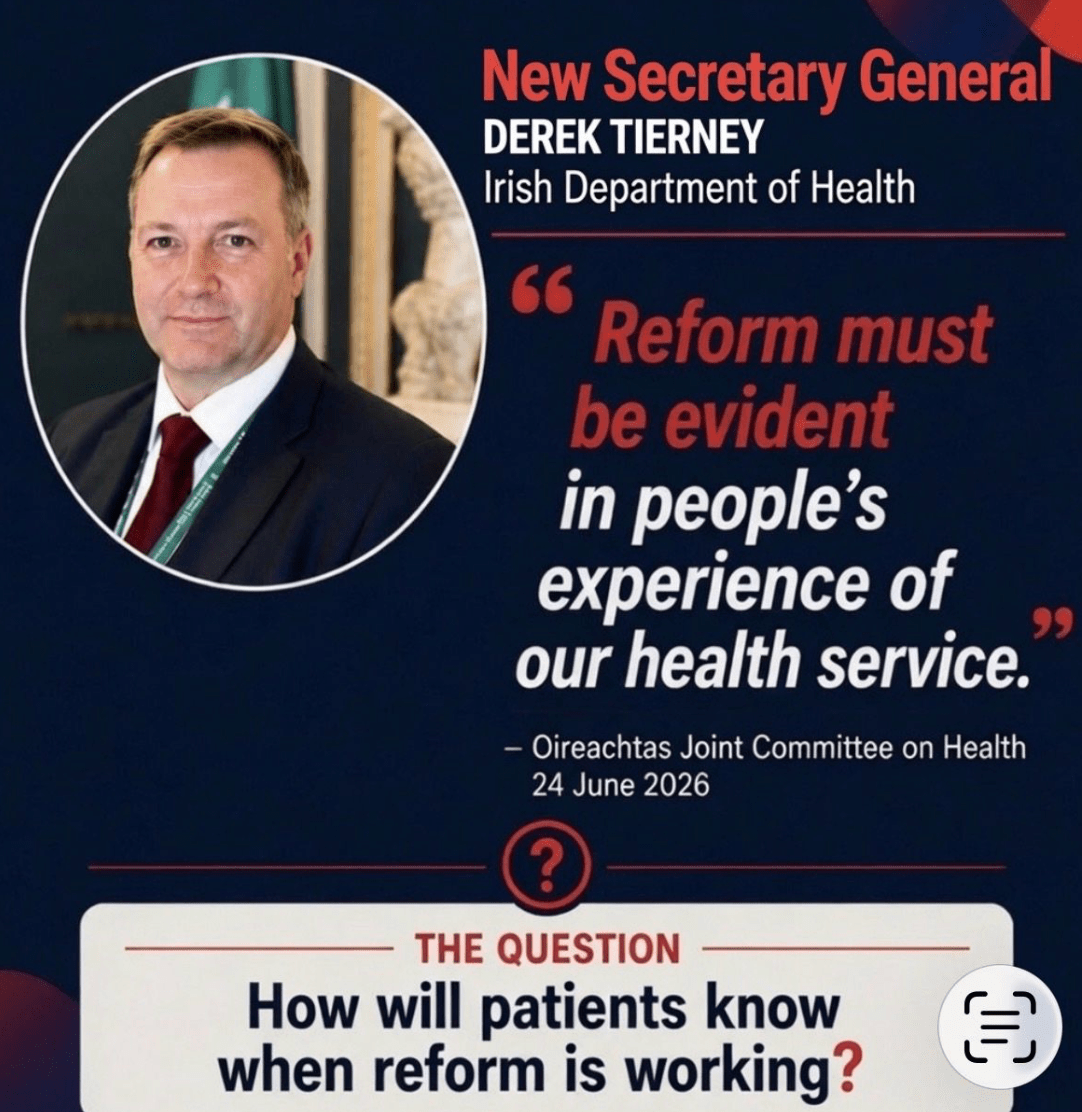
Overall, the National Development Plan is not heavy on specifics. While it refers to the Government’s commitment to health digitalisation, there is no detail.

As regards healthcare, more detail and a clearer sense of long-term ambition will be essential if this plan is to deliver meaningful and lasting reform.

https://www.medicalindependent.ie/comment/editorial/doctors-question-health-commitments-in-ndp-review/


Stories must inform decisions,

Empathy, the ability to understand and share the feelings of another, has significant implications for epistemology, the study of knowledge. Exploring the relationship between empathy and epistemology reveals that empathy can be a valuable tool for understanding others’ perspectives and even shaping our own knowledge.

A Closer Look: From Empathy to Epistemology

At its core, narrative medicine is not just about empathy—it is about epistemology: how we know what we know in medicine.It challenges the idea that data alone is the truth. It values subjective experience as evidence.

It reminds us that meaning—grief, identity, uncertainty—is not noise in the signal; it’s part of the diagnosis.The most powerful implication of this is shared authority. When patients’ stories are treated as essential sources of knowledge—not anecdotal extras—we begin to shift the asymmetry that defines much of clinical care.This is why narrative medicine can be uncomfortable. It doesn’t just ask clinicians to listen; it asks systems to change.

So, Has Narrative Medicine Left the Margins?

In scholarship? Yes.
In spirit? Often.
In systems? Not yet.

If we want systems that truly centre patient voices, we have to move from metaphor to mechanism.

Not just asking for stories—but being changed by them.

https://patientvoicecollective.substack.com?utm_source=navbar&utm_medium=web

https://www.cureus.com/articles/395031-from-stories-to-science-mapping-global-trends-in-narrative-medicine-research-2004-2024#!/

How patients can use medicines before authorisation

In Ireland, medicines need to be authorised before a patient can use them. 

Sometimes, there is no authorised medicine available to treat a patient’s illness or to meet their medical needs. When this happens, a patient may be able to get access to medicines by the following two ways: 

1.Clinical trials

2.Exempt Medicinal Products (EMP)

https://www.hpra.ie/regulation/human-medicine/patients-and-healthcare-professionals/access-to-medicines-before-authorisation

Gene-Specific Detection Rate of Adenomas and Advanced Adenomas in Lynch Syndrome

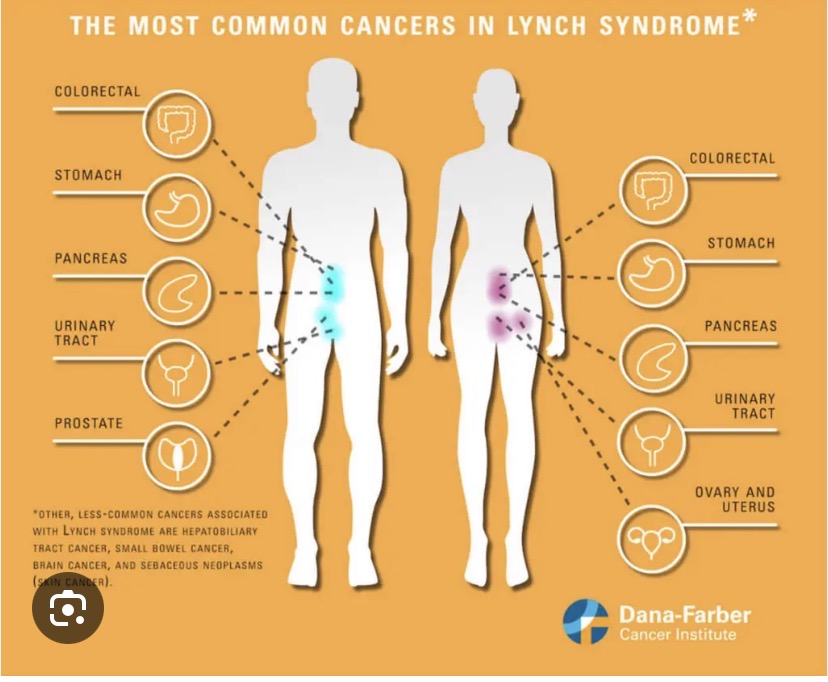
Colonoscopy is expected to reduce colorectal cancer (CRC) incidence in Lynch syndrome (LS) by detecting and removing adenomas. The existence of gene-specific differences in adenoma detection has been proposed yet remains insufficiently explored.

Conclusions

Carriers of MLH1/MSH2 pathogenic variants are at a higher risk of developing AAs compared with those with MSH6/PMS2 mutations, with MSH6 carriers exhibiting an intermediate risk profile. Advanced adenomas(AA) are an independent risk factor for post-colonoscopy CRC . LS patients with AAs should be identified as high risk and undergo enhanced colonoscopy surveillance.

https://www.sciencedirect.com/science/article/abs/pii/S001650852500650X?dgcid=author

Diagnosed with Colon Cancer: 10 Tips on How to Get The Most From Your Doctor

Be Your Own Advocate

Build your colorectal cancer treatment team: -You, of course, are the starring player.

Make sure you have an overall care coordinator.

Screening for Colorectal Cancer

The European Commission’s Joint Research Centre (JRC) has just published updated recommendations on colorectal cancer screening tests and strategies for getting people to participate in screening.

Study: Two immunotherapy drugs are better than one for some metastatic colorectal cancers

Combining two immunotherapy drugs is a more effective treatment for certain metastatic colorectal cancers than using either treatment drug alone.

CheckMate 8HW trial used together, Opdivo (nivolumab) plus Yervoy (ipilimumab) slowed cancer growth in MSI-High metastatic colorectal cancers, a type of colorectal cancer often found in Lynch syndrome.

The FDA approved this combined treatment for MSI-High metastatic colorectal cancer after progression with chemotherapy.

Note: People with Lynch syndrome who have colorectal cancer commonly have MSI-H or dMMR cancers.

https://www.thelancet.com/journals/lancet/article/PIIS0140-6736(24)02848-4/abstract