Genomic Notes for Clinicians
Page contents:
- Clinical features
- The genetics of Lynch syndrome
- Diagnosis and management of Lynch syndrome
- Resources
https://www.genomicseducation.hee.nhs.uk/genotes/knowledge-hub/lynch-syndrome/
Genomic Notes for Clinicians
Page contents:
https://www.genomicseducation.hee.nhs.uk/genotes/knowledge-hub/lynch-syndrome/
Lynch Syndrome, a genetic condition affecting around 1 million Americans annually, increases a person’s risk of developing colorectal cancer (CRC) to 20% – 80%.
As a result, Lynch Syndrome patients must complete yearly preventive screenings. However, developing a Lynch Syndrome vaccine could change the narrative for patients, reducing screenings and – more importantly – lowering risks for Lynch Syndrome-related cancers.
“The advances in vaccine technologies, such as Lynch Syndrome, is a promising field of research that has the potential to reduce the risk of developing cancer, thereby preventing disease and modifying surveillance regimens for high-risk patients,” said David Fenstermacher, Senior Director of Research & Medical Affairs at the Colorectal Cancer Alliance.
https://www.ccalliance.org/blog/research/is-there-lynch-syndrome-vaccine
“…this lesion was positive for “the ugly duckling” sign as it was significantly darker than my other moles”
https://www2.curetoday.com/view/carpe-diem-a-little-harder-after-a-skin-cancer-scare
Spring has officially sprung but that doesn’t mean we can’t sit down and enjoy some tasty and healthy tomato soup! Head over to our website for the full FREE cookbook, designed and written by registered dietitians!

Having experienced aprox 15 colonoscopies during which polyps were removed I can confirm that they were all painless procedures.
Genetic and genomic health information increasingly informs routine clinical care and treatment.
Building the capacity of the current and next generation of nurses and physicians to integrate genetics and genomics into usual clinical practice is essential if opportunities afforded by precision medicine are to be fully realised.
https://www.gimjournal.org/article/S1098-3600(21)01181-3/fulltext
An example of an inherited risk of cancer is Lynch syndrome. A person with Lynch syndrome has an elevated risk of colorectal, endometrial, stomach, ovarian, urinary tract, other intestinal cancers, and additional cancers.
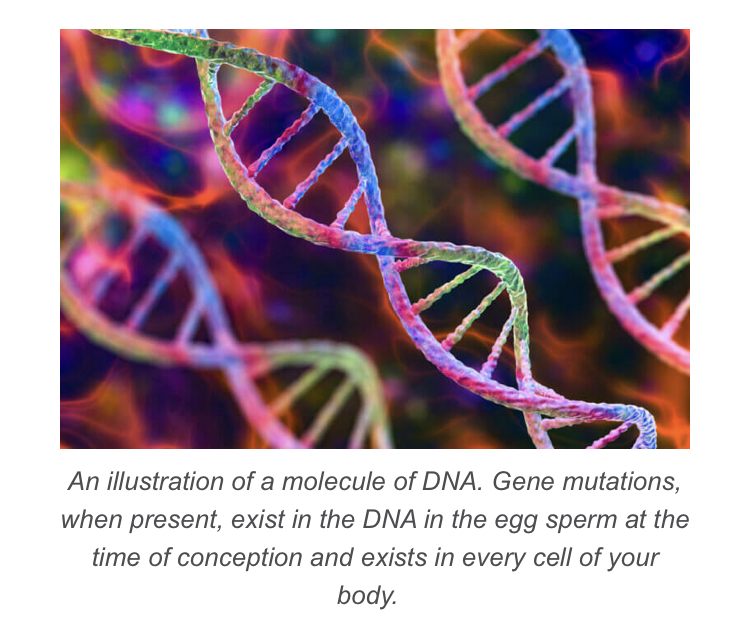
The increased risk is due to a mutation in one of several genes that fix mistakes made when DNA is copied. These genes are called DNA mismatch repair genes. The body has many mechanisms that work hard to prevent DNA copying errors and protect against cancer.
When one of those mechanisms is disabled by mutations, cancer is more likely to occur and at a younger age.
mRNA Covid vaccine technology could be repurposed so that it primed the immune system to attack cancer cells.
BioNTech was working on mRNA cancer vaccines before the pandemic struck but the firm pivoted to produce Covid vaccines in the face of the global emergency. The firm now has several cancer vaccines in clinical trials. Türeci said the development and success of the Pfizer/BioNTech vaccine, which is similar to the Moderna Covid shot, “gives back to our cancer work”.
But Türeci(who co-founded BioNTech, the German firm that partnered with Pfizer to manufacture a revolutionary mRNA Covid vaccine) remained cautious about the work. “As scientists we are always hesitant to say we will have a cure for cancer,” she said. “We have a number of breakthroughs and we will continue to work on them.”