Like Lynch Syndrome?
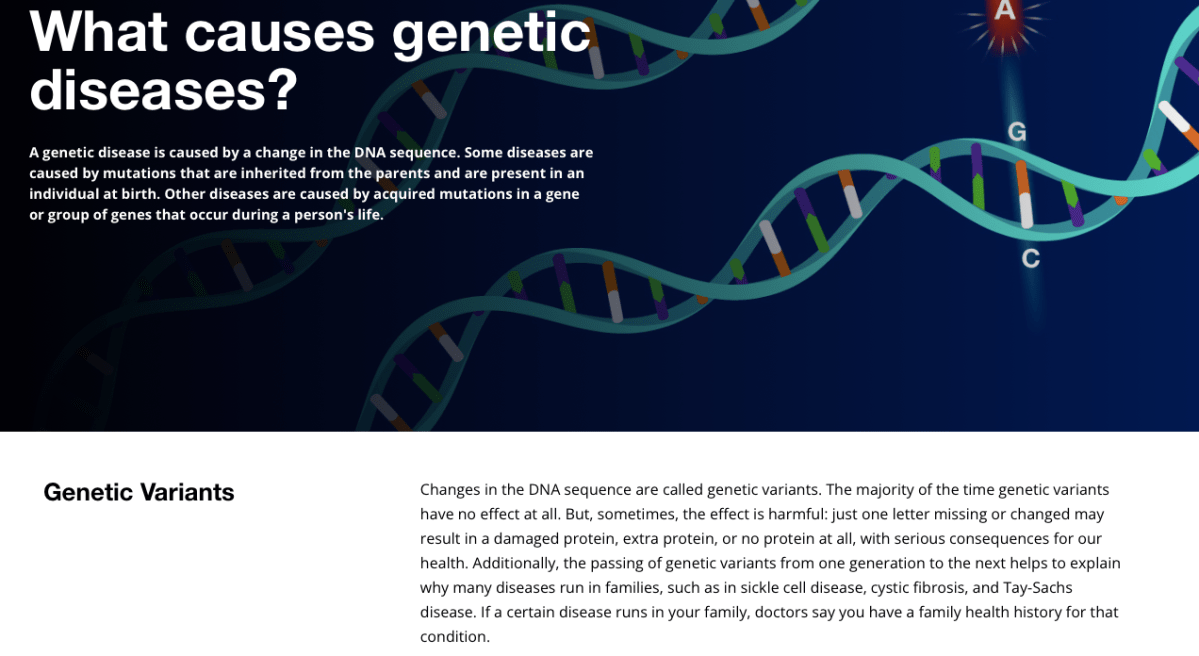
What causes Genetic Diseases?
Like Lynch Syndrome?
Like Lynch Syndrome?
A life-saving NHS testing programme is helping to diagnose thousands of people with a genetic condition that increases the chance of developing cancer.
The health service has begun rolling out a genetic test for Lynch syndrome, an inherited condition that increases the risk of certain cancers, including bowel, ovarian and pancreatic.
It is estimated that 1 in 400 people in England have Lynch syndrome (equivalent to around 175,000 people), but just 5% are aware they are living with the condition.
This cutting-edge genetic test is helping to identify thousands of people who are living with Lynch syndrome – meaning we can work with them to reduce their risk of cancer, and provide more personalised and effective treatment if they do need it.
People with Lynch syndrome are more likely to develop multiple cancers and be diagnosed at a younger age. For example, bowel cancer is most common in those aged over 50 but in someone younger, it may be a sign of Lynch syndrome.
The NHS is now able to identify the condition through a simple blood test, which then goes through a regional genomic laboratory hub, is sequenced, and then sent back to the referring clinician.
A positive diagnosis also means doctors can improve the chances of staying cancer free with interventions like aspirin, which can reduce the risk of bowel cancer developing by up to 50 per cent, regular colonoscopies to check for changes to healthy cells and offering women preventative gynaecological surgery.
Very powerful sharing from Roberta. I think Genetic Counsellors everywhere will feel humbled that your experience was empowering & led to the correct diagnosis.
Highlights how important their role is, how families should know their cancer history & have the correct screening.
Most people diagnosed with colorectal cancer are at least 65 years old, but I was only 45 when doctors discovered my cancer, which they believed had been growing inside me for at least a decade. As someone who exercises regularly and maintains a healthy diet, I was shocked by my diagnosis. My doctors and I assumed that it was simply a case of bad luck.
“as many as 10% of colorectal cancer patients have an inherited gene mutation that caused their illness. I should know, because I was one of them.”
“I’ve heard people say that they don’t want to get genetic testing because there’s no way to prevent hereditary cancer, therefore it’s better not to know. But that couldn’t be further from the truth.”
The BowelScreen programme will send an invitation to men and women aged 60 to 69 years to take part in the programme.
If you are aged between 60 to 69 years and living in Ireland, you can ring BowelScreen on Freephone 1800 45 45 55 to check your details are on the register.
A BowelScreen home test kit will be sent to you in the post with instructions about how to do the test.
If you have any concerns about your bowel health or symptoms you should contact your GP immediately.
The symptoms of bowel cancer can include:
The four primary care (PC) core functions (the ‘4Cs’, ie, first contact, comprehensiveness, coordination and continuity) are essential for good quality primary healthcare and their achievement leads to lower costs, less inequality and better population health. However, their broad definitions have led to variations in their assessment, in the innovations implemented to improve these functions and ultimately in their performance.
Conclusion:
Providing clear, well-defined operational elements for these 4Cs to measure their achievement and improve the way they function, and identifying the complex network of interactions among them, should contribute to the field in a way that supports efforts at practice innovation to optimise the processes and outcomes in PC.
“I had to transform my challenges into opportunities.”
The key to focus on when we are confronted with challenges is to become focused on what is possible rather than what is not.
https://www.curetoday.com/view/transforming-lynch-syndrome-limitations-into-opportunities
Individuals with Lynch syndrome are at increased risk for multiple cancer types (common ones shown here). Note: MLH1 has the highest pancreatic cancer risk, MSH2 has the highest urothelial & prostate cancer risk, & PMS2 risks are mainly CRC & EC.
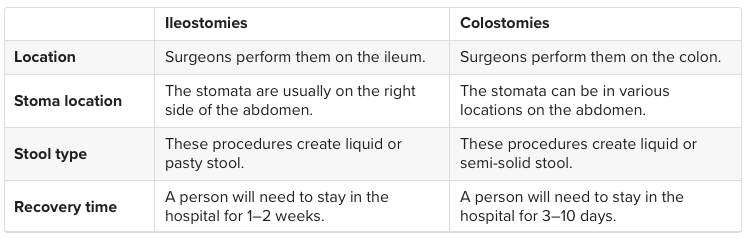
Ileostomies and colostomies are both forms of ostomy surgery. Each procedure involves different parts of a person’s bowel.
Ileostomies and colostomies can both be lifesaving surgeries. If a person has any concerning bowel symptoms, they should talk with a doctor.
https://www.medicalnewstoday.com/articles/iieostomy-vs-colostomy