Colorectal cancer incidence trends in younger versus older adults: an analysis of population-based cancer registry data

Previous studies have shown that colorectal cancer incidence is increasing among younger adults (aged <50 years) in multiple high-income western countries in contrast with stabilising or decreasing trends in incidence in older adults (aged ≥50 years).

The increase in early-onset colorectal cancer, previously seen predominately in high-income western countries, has now been documented in various economies and regions worldwide, marking it as a global phenomenon.

The global reach of this alarming trend calls for innovative tools to prevent and control cancers linked to nutritional attributes, physical inactivity, and excess bodyweight, which might be more challenging to address than the tobacco epidemic.

Educational efforts to increase awareness of the increase in the incidence of early-onset colorectal cancer and its unique symptoms, especially among primary care providers, would have far reaching effects in reducing delayed diagnoses and mortality.

https://www.thelancet.com/journals/lanonc/article/PIIS1470-2045(24)00600-4/fulltext

Managing Neuropathy

Each chemotherapy drug or combination has its own side effects. Most side effects can be easily controlled by medicines. Not everyone will have the same side effects. Your healthcare team will give you information about the side effects that are most likely to affect you. You might find it helpful to keep a note of any that you experience.

Oxaliplatin (Eloxatin®)

You might have tingling or numbness in your hands and feet. This is called peripheral neuropathy. Talk to your medical team if you have these symptoms.

You may get pins and needles, weakness or numbness. This can make it hard to do everyday things like writing, picking up small items and walking. These symptoms can be triggered or made worse by the cold. Your healthcare team may advise you to wear gloves when you use the fridge or freezer and avoid chilled food or drinks for a few days after each treatment.

You may get neuropathy symptoms during your chemotherapy cycle and for up to two weeks afterwards. Symptoms may improve once you finish treatment but in some people, neuropathy can last for months or years after treatment.

Tell your healthcare team if you have any symptoms of neuropathy. If the symptoms are affecting your daily life, your doctor may suggest lowering the dose of oxaliplatin or changing your treatment.

https://twitter.com/bowelcanceruk/status/1868033470100074851

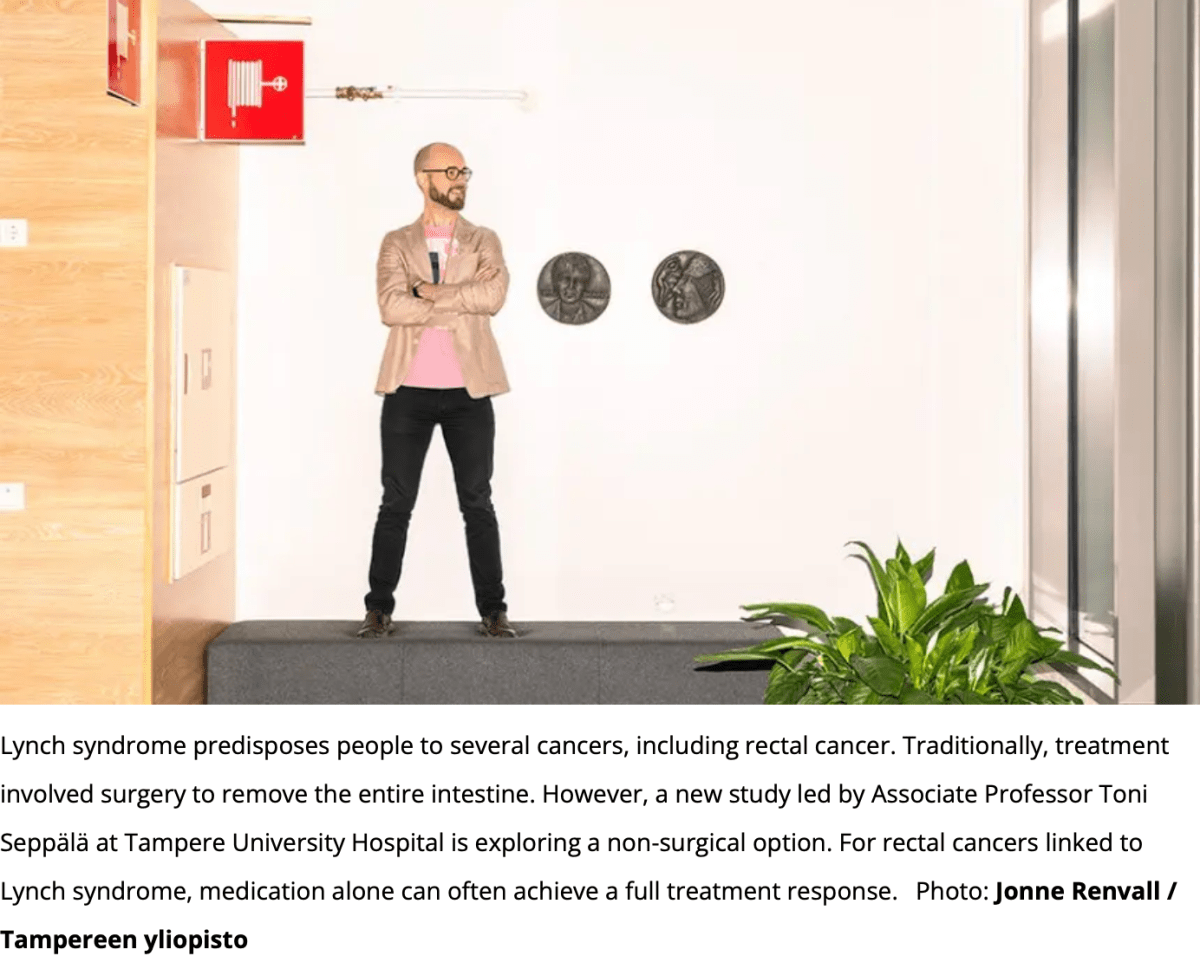
A genetic mutation can save lives – Lynch syndrome paves the way for cancer vaccines and personalised treatments

While Lynch syndrome increases the risk of cancer for its carriers, it also provides a unique opportunity to understand disease mechanisms. It is likely that the first preventive cancer vaccine will be specifically developed against cancers caused by Lynch syndrome.

From the individual’s perspective, Lynch syndrome and its prevalence in the population is not a positive thing, but from the research standpoint it is, meaning that the disease can also benefit patients.

“Currently, there is intense development work on cancer-preventive vaccines, which will soon be tested in large patient groups. The most progress has been made with cancers linked to Lynch syndrome. It will be a major breakthrough when we can prevent cancers that we know are likely to develop,” Seppälä says.

In Lynch syndrome, identifying carriers of the genetic mutation is vital because healthcare interventions can greatly benefit these patients. Generally, there needs to be greater awareness in society about the importance of molecular profiling. 

https://www.tuni.fi/en/news/genetic-mutation-can-save-lives-lynch-syndrome-paves-way-cancer-vaccines-and-personalised

Mainstreaming cancer genetics: feasibility of an advanced nurse practitioner-led service diagnosing Lynch syndrome from colorectal cancer in Ireland

https://link.springer.com/epdf/10.1007/s10689-024-00427-7?sharing_token=vcZ4EunQc5ITtewhq4GRV_e4RwlQNchNByi7wbcMAY5LEtPAgAgZTSbin5mUumNCFiB1qx9wTaz4jrQEKpjM0RmHU8LXULyUeLp18KKlkM4J6QaWK0NN9Y0ti8jkfM8NanE_4j6sCuve_66FVrquRuZADCeNjpz0Dj6PlMYN0dE%3D

Conclusion: Access to and timely delivery of specialist cancer genetics services represents a substantial unmet need in Ireland, the requirement for which is projected to increase significantly over the coming years. Our institutional experience confirms the feasibility, efficiency and efficacy of an ANP-led mainstreamed model of care for hereditary colorectal cancer. The development of this service aligns with national healthcare priorities to deliver timely and appropriate cancer genetics services in a coordinated way integrated with the patient’s cancer care pathway. Development and expansion of similar services would facilitate enhanced delivery of cancer genetics services into routine clinical practice, ensuring uniformity, safety, high quality, and cost-effective care. However, this will necessarily require appropriate resourcing and investment.

The English National Lynch Syndrome Transformation Project(UK)

Lynch syndrome affects approximately 1 in 400 individuals and predisposes to multiple cancers including colorectal, endometrial, gastric, small bowel and other tumours. Although a common condition, it is estimated that only 5% of patients with LS are known in the UK.

Lifelong care of people diagnosed with this condition depends on awareness of who this population is.

There is consistent evidence of the cost-effectiveness and clinical benefit of a structured diagnostic pathway in patients with LS following a diagnosis of cancer linked to cascade testing in families. 

Barriers to diagnosis and a manifest deficiency in care for those with LS has been described in the literature as a ‘diffusion of responsibility’. 

An approach to deliver effective diagnosis is to develop ‘mainstreaming’ models whereby patients are offered constitutional genetic testing by their cancer treating teams locally, rather than relying on referral of eligible patients to tertiary services such as clinical genetics.

This has many possible advantages including shorter timescale to diagnosis, effective communication provided through an existing relationship between patients and their clinical teams, and ensuring that eligible patents access testing. This model is associated with high levels of acceptability for patients and clinicians, however relies on the development or new skills by cancer teams.

https://www.bsg.org.uk/clinical-resource/(sss)-english-lynch-syndrome-project

Treating advanced dMMR Endometrial cancer.

Lynch syndrome  is a dominantly inherited cancer syndrome caused by germline pathogenic variants of mismatch repair (MMR) genes. In women with LS, gynaecological cancers are as common as gastrointestinal cancers.

Gynaecological cancer is often the first cancer diagnosis in women with Lynch syndrome.

Reimbursement of new cancer meds is an area where Ireland is increasingly falling behind. Are they expensive? Yes. Is every new ‘innovative’ drug worth its price tag in terms of real world outcomes? No. It’s complex. But now there’s a growing public vs private access divide. @PriscellaLynch

Very informative thread…. https://x.com/mccarthymt7/status/1853202348484747502

List of anti-cancer drugs that are approved by the HSE for the treatment of endometrial cancer in Ireland. Except for dostarlimab. The protocol was included here on the basis of EMA approval and to offer guidance to private hospitals, where the drug is available for this indication. Probably.”

“Summary: Dostarlimab is very effective in treating advanced dMMR endometrial cancer. The public healthcare system in Ireland cannot afford this drug for public cancer patients (it has been fully assessed by the HSE reimbursement process and declined). Private cancer patients can access this treatment. In public hospitals we instead will continue to use less effective therapies, that are not EMA approved.”

LS-related tumours are characterised by a highly immunogenic tumour-environment that can be targeted by specific immune checkpoint inhibitors.


Why biomarkers matter

Your biomarker profile can help you and your doctor personalise your treatment.

Biomarkers for colorectal cancer are used for diagnosis, progression, prognosis, and for treatment planning.

MSI-H and MSS biomarkers indicate the stability of the DNA in a tumour.

Colorectal cancer tumours are often referred to as having an “MSI status,” meaning they are described as either MSI (microsatellite instable) or MSS (microsatellite stable). They cannot be both.

What does an abnormal MSI-H level mean?

Approximately 15% of colorectal tumours are MSI-H and dMMR.

In most of these cases, the mutation was caused by a non-hereditary(somatic) gene abnormality in one of the MMR genes (MLH1, MSH2, MSH6, or PMS2) in a cancer cell.

In 3-5% of colorectal patients, dMMR and MSI-H are caused by Lynch syndrome. In these patients, a hereditary mutation (germline mutation) in one of the four main MMR genes is passed from one generation to another. Individuals with Lynch syndrome are at higher risk of developing colorectal, endometrial (uterine), gastric, ovarian, and other cancers.

https://colorectalcancer.org/treatment/types-treatment/why-biomarkers-matter?fbclid=IwY2xjawGS4ZdleHRuA2FlbQIxMAABHbYOX7PocmBtDNPHc2xa9sZkA9PksceERIsPMZvOxLKfG4JN-vr7soOjmw_aem_irNH19G4iH7a4SZxGpm4Wg

Guidelines for the management of hereditary colorectal cancer from the British Society of Gastroenterology (BSG)/Association of Coloproctology of Great Britain and Ireland (ACPGBI)/United Kingdom Cancer Genetics Group (UKCGG)

2019: A systematic review of 10 189 publications was undertaken to develop 67 evidence and expert opinion-based recommendations for the management of hereditary CRC risk. Ten research recommendations are also prioritised to inform clinical management of people at hereditary CRC risk.

Objective:

To provide a clear strategy for the management of people at hereditary risk of colorectal cancer (CRC), which includes diagnosis, endoscopic management, prevention and surgical care.

Lynch syndrome (LS)

  • We recommend that for all people when first diagnosed with CRC, testing using immunohistochemistry (IHC) for MMR proteins or microsatellite instability is used to identify tumours with deficient DNA MMR, and to guide further sequential testing for LS. (GRADE of evidence: moderate; Strength of recommendation: strong)
  • We recommend that colonoscopic surveillance should be performed at a 2 yearly interval for all LS patients. (GRADE of evidence: moderate; Strength of recommendation: strong)
  • We recommend that age of onset of surveillance colonoscopy should be stratified according to the LS-associated gene. We recommend colonoscopy from age 25 years for MLH1 and MSH2 mutation carriers and 35 years for MSH6 and PMS2mutation carriers. There are insufficient data to support stratifying age of onset of surveillance by gender. (GRADE of evidence: moderate; Strength of recommendation: strong)
  • We suggest that for LS patients with MLH1 or MSH2 mutations who develop colon cancer or colonic neoplasia not amenable to endoscopic control, the decision to perform segmental versus total/near total colectomy should balance the risks of metachronous cancer, the functional consequences of surgery, the patient’s age and patient’s wishes. (GRADE of evidence: Moderate; Strength of recommendation: strong)
  • We recommend that for LS patients with MSH6 or PMS2 mutations there is insufficient evidence for oncological benefit of extended colectomy over segmental resection. (GRADE of evidence: low; Strength of recommendation: strong)
  • We suggest that when abdominal-perineal excision can be avoided, a standard low anterior resection is a reasonable option to treat rectal cancers in LS patients, even though the residual colon is at high-risk of metachronous neoplasia. (GRADE of evidence: low; Strength of recommendation: weak)
  • We recommend that gastric, small bowel, or pancreatic surveillance in LS patients is only performed in the context of a clinical trial. (GRADE of evidence: low; Strength of recommendation: strong)
  • We recommend screening for H elicobacter pylori in patients with LS and subsequent eradication therapy if indicated. (GRADE of evidence: low; Strength of recommendation: strong)

https://gut.bmj.com/content/69/3/411#article-bottom

“For many cancers, Ireland is now 1-2 standard-of-care innovations in cancer treatment behind international comparators”

It seems to me that this headline quotation from Prof Barry of the @INFO_NCPE likely has taken him out of context in relation to Anti-Cancer Drugs.

Let me try to help make sense of this:

1. The only public funding that has gone into anti-cancer drug discovery and development that I am aware of over the past 10 years in Ireland, is funding to commercialise academic discoveries. The commercialisation of drug discovery and development is a strategic, deliberate government policy.

2. When a commercial company is successful in demonstrating that a drug improves cancer outcomes, these companies are legally obliged to maximise profit for the company’s shareholders (as far as I understand, maybe I’m wrong here).

3. The rate at which new anti-cancer drugs that objectively improve cancer outcomes achieve regulatory approval (by the EMA or FDA) is accelerating.

4. To continue to offer to public cancer patients the international standard of care (eg NCCN or ESMO recommended) anti-cancer therapies is by definition going to cost public cancer care providers more money. This is how the whole system is deliberately designed.

5. EMA approval does not guarantee an impact on the “standard of care”. For an oncologist to prescribe any high cost anti-cancer therapy in public hospitals in Ireland, first, the pharmaceutical company must apply to the @HSELive to have their drug reimbursed. Many companies do not even apply. Next, they must commit to a reimbursement process that takes 2-3 years, with no guarantee of a successful reimbursement outcome.

6. As long as I have worked for the HSE, the prescribing options available to public Medical Oncologists have been robustly restricted to drugs that have been approved through this reimbursement process.

7. No public consultant has the authority or ability within the existing system to ‘authorise’ expenditure for any high cost anti-cancer drug by signing a prescription, unless the HSE has explicitly authorised this prescription. The authorisation status is publicly available here: https://hse.ie/eng/services/list/5/cancer/profinfo/chemoprotocols/

8. If I tried to prescribe a high cost anti cancer drug that hadn’t been through the HSEs reimbursement process, it would not make it past the hospital pharmacist. In any publicly funded hospital.

9. For many cancers, Ireland is now 1-2 standard-of-care innovations in cancer treatment behind international comparators. In other words, for a long time now, the HSE has had total control over what a consultant oncologist can prescribe within the HSE. The problem is that the approval of emerging therapies is too slow, and not keeping pace with international standards, or with the private healthcare sector in Ireland.

@IMT_latest @med_indonews @hseNCCP @OECI_EEIG @IrishCancerSoc @INFO_NCPE

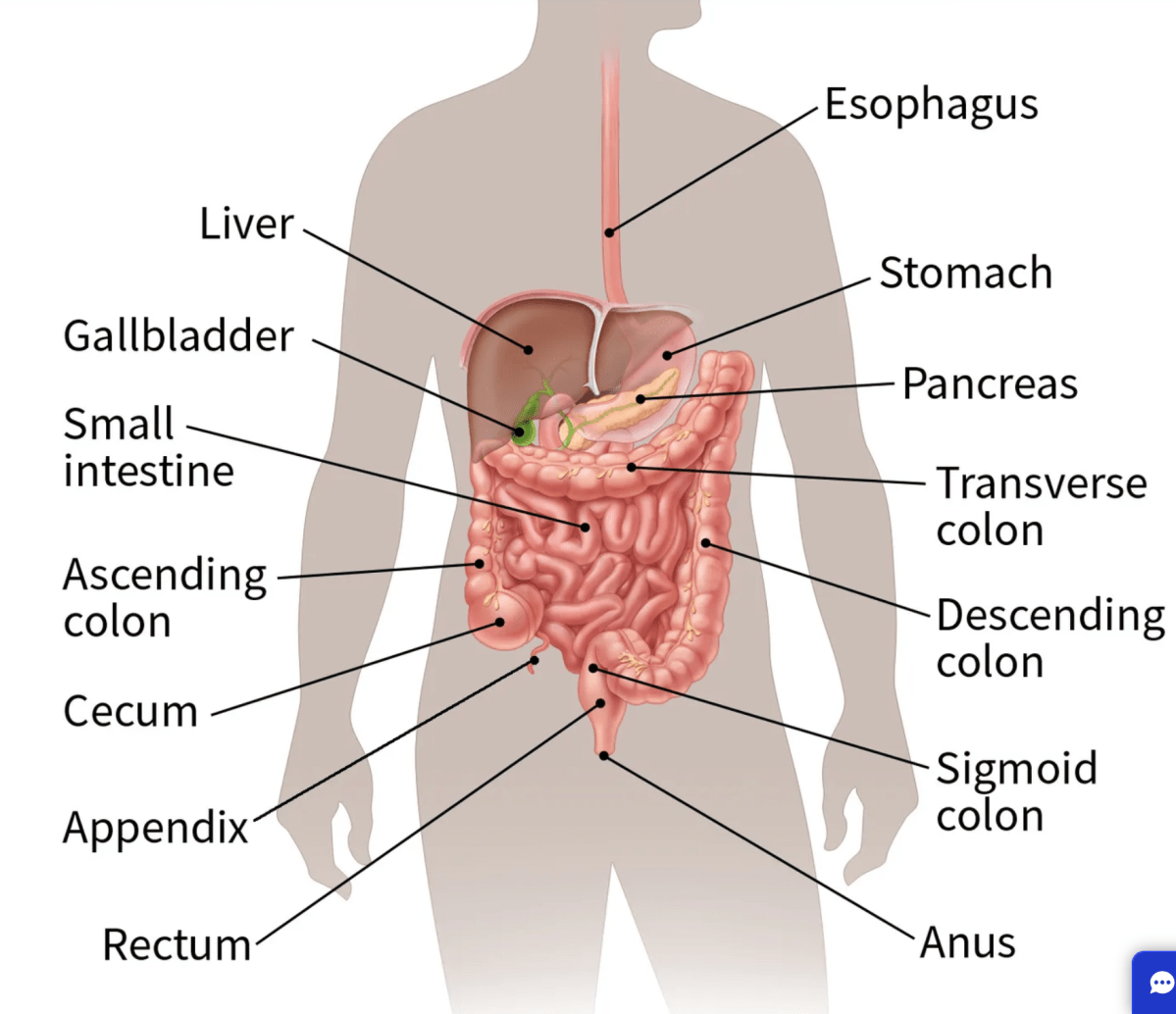
Colorectal cancer starts in the colon or the rectum. These cancers can also be called colon cancer or rectal cancer, depending on where they start. Colon cancer and rectal cancer are often grouped together because they have many features in common.

This article covers:

How do the colon and rectum work?

How does colorectal cancer start?

Polyps in the colon or rectum

How colorectal cancer spreads

Types of cancer in the colon and rectum

Be aware of signs and symptoms

It’s important for everyone to be aware of any changes in your body that are not normal for you, especially if you have an increased risk due to Lynch syndrome. Always get any changes checked by your GP, even if you have had a screening test or are due one soon.

https://www.cancer.org/cancer/types/colon-rectal-cancer/about/what-is-colorectal-cancer.html

https://www.cancer.ie/cancer-information-and-support/cancer-information/about-cancer/causes-of-cancer/cancer-and-genes/lynch-syndrome