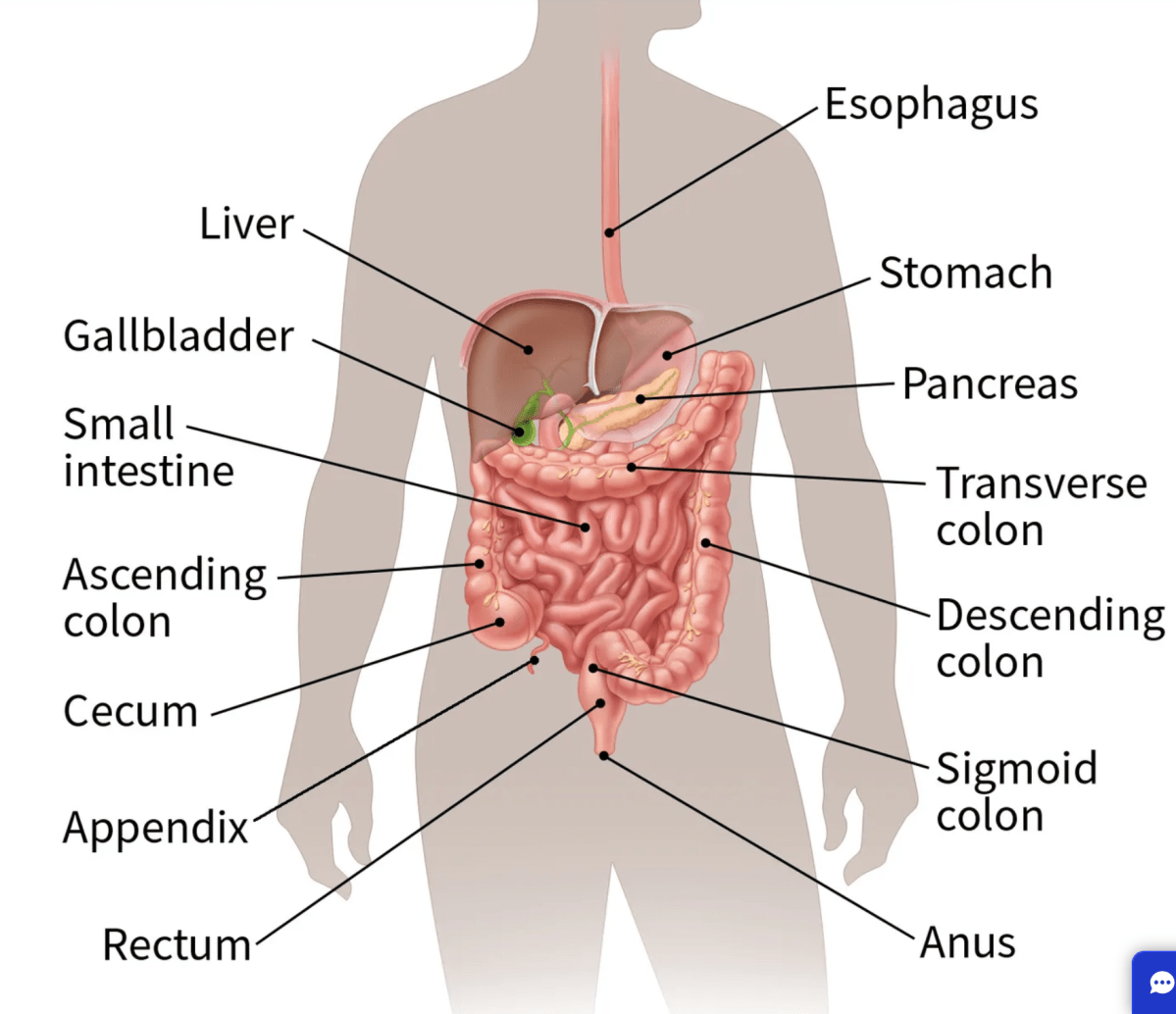
Colonoscopies – Why bother?

It just might save your life.

During my third colonoscopy colon cancer was discovered and it had advanced to my Lymph Nodes. I had no symptoms.

Why was I having colonoscopies? I had a family history of colon cancer and my sibling had tested positive for Lynch syndrome (an inherited predisposition to certain types of cancers including colon and endometrial.

I can understand why many people are nervous about getting colonoscopies. Some wonder how long a colonoscopy will take, how best to prepare for the procedure, how much time you’ll need to take off from work and how embarrassing or disruptive this important cancer screening procedure will be.

Why should people get colon cancer screenings?

The answer is simple: colon cancer screenings can detect colorectal cancer early and prevent unnecessary deaths. Colorectal cancers also are highly preventable and treatable if detected early. In fact, if doctors detect pre-cancerous polyps during a colonoscopy, they can remove the polyps during the procedure.

Prior to Colonoscopy:

Some may think…it’s not pleasant(although having had more than 15 to date I can say I do not find it so, but including the preparation, in most cases you’re spending less than 24 hours to help prevent cancer

Typically, people prepare for a colonoscopy in their homes the day or the night before along with amending their diet for a few days prior to the procedure. The Bowel preparation prescribed — which involves drinking a lot of water along with prep – can take a number of hours . That’s because you’ll be peeing and pooping out all the waste from your body, so you’ll have a clean, empty colon.

Colonoscopy Procedure:

The actual procedure is quick – usually less than 30 minutes. The doctor inserts a scope into your rectum. You are fully sedated prior to the start of the procedure and you wake up after it is over and you usually don’t remember any of the procedure. For nearly everyone, the actual colonoscopy is painless and relatively quick. You wake up, and you’re done. Aside from not being able to drive themselves home from the procedure, most people feel well and are able to eat and drink normally after a colonoscopy.

What are polyps and how common are they?

Polyps are like skin tags that form on the lining of the colon. Some of them are pre-cancerous, which means that over a period of time, they could become cancerous. So, when polyps are found during a colonoscopy, they can easily remove the vast majority of them. That’s how colon cancer is prevented through colonoscopy.”

https://www2.hse.ie/conditions/bowel-screening/colonoscopy-after-bowel-screening/

Colorectal cancer incidence trends in younger versus older adults: an analysis of population-based cancer registry data

Previous studies have shown that colorectal cancer incidence is increasing among younger adults (aged <50 years) in multiple high-income western countries in contrast with stabilising or decreasing trends in incidence in older adults (aged ≥50 years).

The increase in early-onset colorectal cancer, previously seen predominately in high-income western countries, has now been documented in various economies and regions worldwide, marking it as a global phenomenon.

The global reach of this alarming trend calls for innovative tools to prevent and control cancers linked to nutritional attributes, physical inactivity, and excess bodyweight, which might be more challenging to address than the tobacco epidemic.

Educational efforts to increase awareness of the increase in the incidence of early-onset colorectal cancer and its unique symptoms, especially among primary care providers, would have far reaching effects in reducing delayed diagnoses and mortality.

https://www.thelancet.com/journals/lanonc/article/PIIS1470-2045(24)00600-4/fulltext

Why biomarkers matter

Your biomarker profile can help you and your doctor personalise your treatment.

Biomarkers for colorectal cancer are used for diagnosis, progression, prognosis, and for treatment planning.

MSI-H and MSS biomarkers indicate the stability of the DNA in a tumour.

Colorectal cancer tumours are often referred to as having an “MSI status,” meaning they are described as either MSI (microsatellite instable) or MSS (microsatellite stable). They cannot be both.

What does an abnormal MSI-H level mean?

Approximately 15% of colorectal tumours are MSI-H and dMMR.

In most of these cases, the mutation was caused by a non-hereditary(somatic) gene abnormality in one of the MMR genes (MLH1, MSH2, MSH6, or PMS2) in a cancer cell.

In 3-5% of colorectal patients, dMMR and MSI-H are caused by Lynch syndrome. In these patients, a hereditary mutation (germline mutation) in one of the four main MMR genes is passed from one generation to another. Individuals with Lynch syndrome are at higher risk of developing colorectal, endometrial (uterine), gastric, ovarian, and other cancers.

https://colorectalcancer.org/treatment/types-treatment/why-biomarkers-matter?fbclid=IwY2xjawGS4ZdleHRuA2FlbQIxMAABHbYOX7PocmBtDNPHc2xa9sZkA9PksceERIsPMZvOxLKfG4JN-vr7soOjmw_aem_irNH19G4iH7a4SZxGpm4Wg

Colorectal cancer starts in the colon or the rectum. These cancers can also be called colon cancer or rectal cancer, depending on where they start. Colon cancer and rectal cancer are often grouped together because they have many features in common.

This article covers:

How do the colon and rectum work?

How does colorectal cancer start?

Polyps in the colon or rectum

How colorectal cancer spreads

Types of cancer in the colon and rectum

Be aware of signs and symptoms

It’s important for everyone to be aware of any changes in your body that are not normal for you, especially if you have an increased risk due to Lynch syndrome. Always get any changes checked by your GP, even if you have had a screening test or are due one soon.

https://www.cancer.org/cancer/types/colon-rectal-cancer/about/what-is-colorectal-cancer.html

https://www.cancer.ie/cancer-information-and-support/cancer-information/about-cancer/causes-of-cancer/cancer-and-genes/lynch-syndrome