

New Book by Digestive Cancers Europe.
It shares the personal stories of 15 young adults(including Pamela from Ireland) diagnosed with digestive cancer. Many of them faced misdiagnoses simply because of their age.
New Book by Digestive Cancers Europe.
It shares the personal stories of 15 young adults(including Pamela from Ireland) diagnosed with digestive cancer. Many of them faced misdiagnoses simply because of their age.
THE GOVERNMENT IS planning to legislate to prevent insurance companies from using cancer survivors’ medical history against them.
A ‘right to be forgotten’ in insurance policies has been called for by cancer survivors, their families and campaigners for years, who have long argued that it is unfair for insurance companies to take cancer diagnoses into account years after a person has entered remission.
In 2023, Insurance Ireland announced a new code of practice that outlined that insurers should disregard cancer diagnoses where treatment had ended more than seven years before an application.
The Irish Cancer Society said at the time that the move was an important first step but that the government needed to step in to create legislation on the matter.
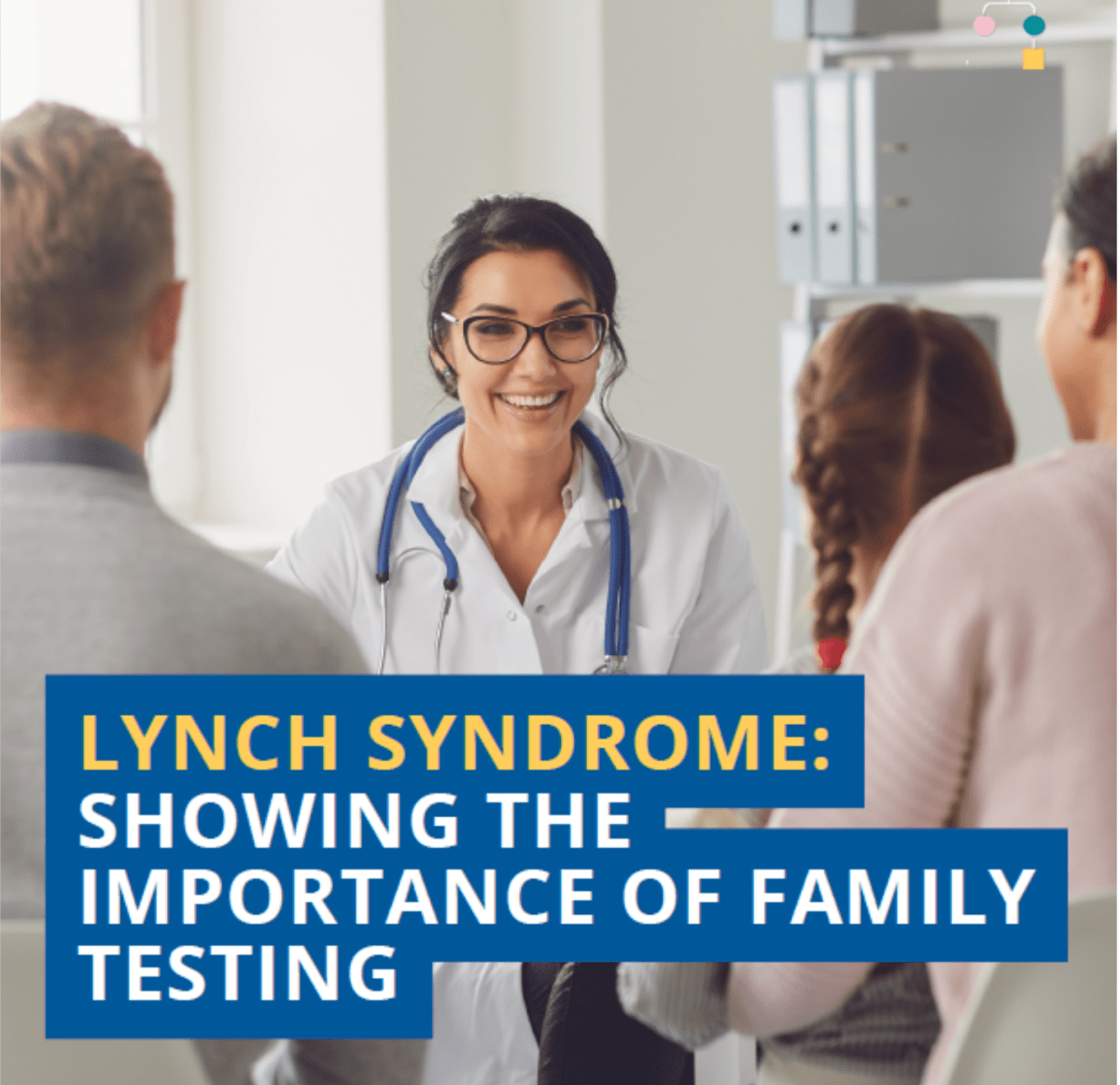
Cascade testing refers to testing “at-risk” family members for a gene mutation, once the mutation has been found in a family member.
For Lynch syndrome, once family members get cascade testing, they can also benefit from screening, cancer prevention, and early detection strategies.
You can ask your GP to refer you to a cancer genetics service.
Family members who can get a test include:
Ask your relative for a copy of their Lynch syndrome test result or a letter you can bring to your GP appointment – if they have one.
If you get a Lynch syndrome diagnosis, your relatives can ask their GP to refer them to a cancer genetics service. This is known as cascade testing. It is also known as predictive testing.
Lynch syndrome test results can help your healthcare team:
Dr Liz Bancroft Lynch Syndrome Annual Conference 2025
an international research initiative investigating targeted prostate cancer (PrCa) screening in men with inherited genetic mutations, specifically those in the BRCA1, BRCA2, and Lynch syndrome genes. The study aims to determine the effectiveness of PSA screening in detecting clinically significant prostate cancer in these high-risk individuals and to compare the findings with a control group of men without the mutations.
UCAN Ireland notes with concern the comments attributed to Prof. Michael Barry in today’s RTÉ article by Fergal Bowers.
We are a grassroots, independent advocacy movement driven by one goal — to ensure that Irish cancer patients have timely and equitable access to the best available treatments, in line with European standards.
Prof. Barry’s remarks risk undermining the integrity of clinicians and advocates who have, in good faith and with full transparency, called attention to delays and shortcomings in the drug reimbursement process in Ireland. Suggesting that clinicians are somehow compromised by industry involvement is a deeply unfair and unsubstantiated claim. These are healthcare professionals who see first-hand the consequences of delayed access — and they are speaking out because their patients cannot afford to wait.
It is also important to point out that such comments serve as a distraction from the real issue: Ireland’s reimbursement system is not fit for purpose. By international comparison, we are among the slowest in Europe when it comes to approving access to innovative cancer therapies for public patients. This is not a matter of perception — it is borne out by the data and by the lived experience of patients across the country.
UCAN Ireland will continue to advocate, without fear or favour, for a reformed and patient-centred reimbursement system that serves the needs of those it is supposed to protect.
https://www.rte.ie/news/health/2025/0701/1521161-drug-payments-ireland/
Dr Kai-keen Shiu LS Annual Conference 2025
LS UK Annual Conference
John Vergil Briones is a Senior Specialist Screening Practitioner for the Bowel Screening Programme (BSCP) at St Marks Hospital. As part of his role, he ensures patients have a safe and comfortable journey in the BSCP pathway-including but not limited to assessment, taking bowel preparation, undergoing the actual investigations and results discussion.
Picture this: You’re sitting in your GP surgery, desperately trying to convince your doctor that yes, you’d quite like a PSA test, thank you very much.
It’s 2025, and we’re still playing this ridiculous game where blokes have to practically beg for a simple blood test.
Prostate cancer is the most common cancer in men. One in eight of us….. will get it…..
So, dear healthcare policymakers, commissioners, and guideline writers:
Listen very carefully, because I shall say this only once – sort it out!
Men’s lives depend on it.
Everything you do has value and worth.
Even if society doesn’t value all my work, it is reminder that caring for others matters, running a household matters, building community matters and speaking up matters.
Many advocates are planting seeds for flowers they may never see fully blossom, whether it is with influencing positive health care change, or raising other human beings. But the planting matters.





 Lynch Syndrome Ireland