
Author: Lynch Syndrome Ireland

Bowel cancer rising among under-50s worldwide, research finds

Experts are still in the early stages of understanding the reasons behind the rise. The authors of the study, published in the Lancet Oncology, said consumption of junk food, high levels of physical inactivity and the obesity epidemic were likely to be among the factors.
https://www.thelancet.com/journals/lanonc/article/PIIS1470-2045%2824%2900600-4/fulltext
“Ongoing efforts are essential to identify the additional factors behind these trends and to develop effective prevention strategies tailored to younger generations and local resources worldwide.”
The overall number of cases in young adults was still low, with only about one in 20 bowel cancers in the UK diagnosed in people aged under 50.
Sung said it was critical that more people know the symptoms. “Raising awareness of the trend and the distinct symptoms of early-onset colorectal cancer (eg rectal bleeding, abdominal pain, altered bowel habits, and unexplained weight loss) among young people and primary care providers can help reduce delays in diagnosis and decrease mortality,”
A patient-led survey on information and communication needs of patients with metastatic breast cancer in Ireland and Northern Ireland

Women with advanced breast cancer are living longer thanks to better treatment but they are “invisible” in services which could support their changed lives, a patient and scientist has warned.
This could easily apply to other cancers as well. “The experiences of patients with different cancers is more alike than different”
National Cancer Registry Report

The National Cancer Registry was established by the Minister for Health in 1991. It has been collecting comprehensive cancer information for the population of the Republic of Ireland since 1994
This information is used in research into the causes of cancer, in education and information programmes, and in the planning and management of cancer services to deliver the best cancer care to the whole population.
Understanding the treatment experiences of adults diagnosed with early-onset colorectal cancer: A qualitative study

Early-onset colorectal cancer (CRC) incidence in adults aged under 50 is increasing. There is a critical lack of knowledge regarding the challenges faced by early-onset CRC patients and their experiences of treatment.
Conclusions
The small(21)study highlights numerous unique issues experienced by the early-onset CRC patient group during treatment. There is a need for change in clinical practice, along with the development of international guidelines and tailored resources for both patients and healthcare professionals, in order to improve care.
Irish Network of Gynaecological Oncology(INGO)

Congratulations to INGO who was selected as the winner of the Patient Project of the Year Award at the Irish Healthcare Awards 2024 for it’s commitment to raising awareness of gynaecological cancer.
INGO comprises over 30 of Ireland’s foremost gynaecological cancer campaigners, researchers and patient advocates(including Lynch Syndrome Ireland).
Check out http://www.thisisGO.ie an online personalised resource for you and yours who have been impacted by a gynaecological cancer.
NCCP
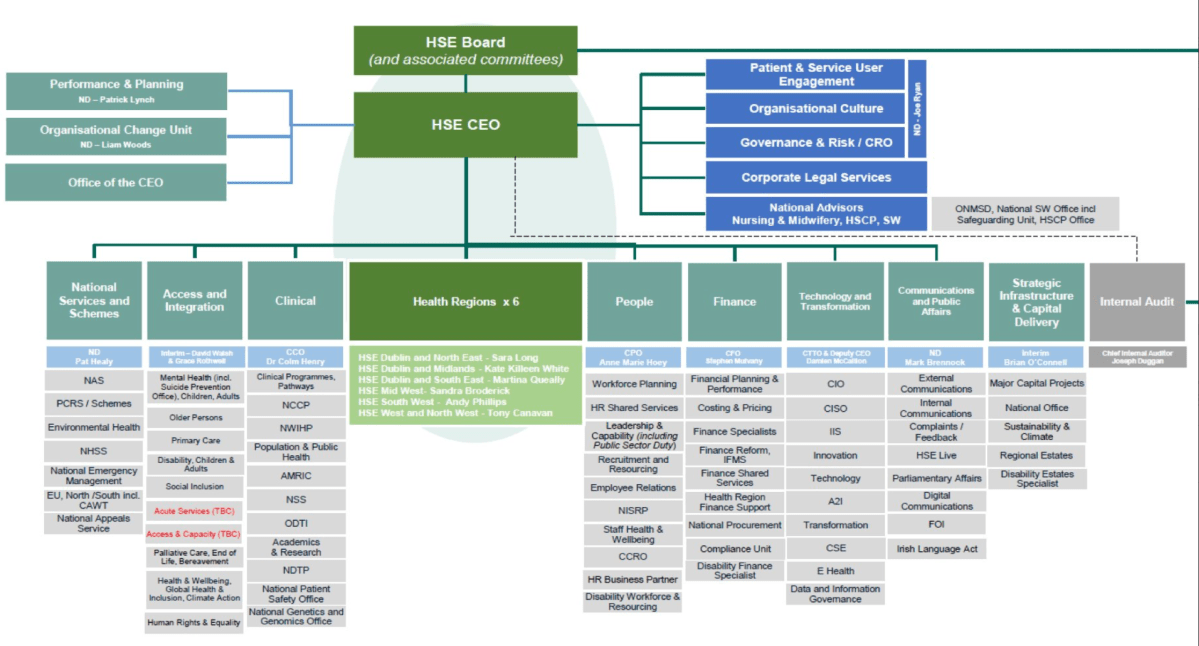
National Cancer Strategy states: The NCCP provides leadership across the continuum of cancer care.
The overall strategic input and impact of the NCCP will continue to be in the following areas:
Leading on the implementation of cancer policy and on
the development of cancer services including in the areas
of prevention and survivorship;
Defining evidence-based guidelines and practice in cancer
care;
Commissioning and monitoring service provision;
Leading on the implementation of capital projects to
ensure optimum patient access to diagnostics and
treatment; and
Developing programmes to promote best practice in
cancer care, including workforce planning and education/
training programmes.
In the New HSE structure NCCP ” appears to have been operationally sidelined.” per https://x.com/mccarthymt7/status/1864072001197125715
Do you agree?
My Palliative Care Journey
Written by Clodagh Downing: Upon discharge from hospital, I was told that I would be included in Palliative Care in the community which means that I attend the local hospice.
Not everyone who attends their hospice as a patient dies from their disease but many do. Life is part of death and death is part of life. Isn’t it peculiar how we can spend our entire lives running away from the grief and sadness of death?
Clodagh passed away a few days ago surrounded by her family in St. Francis Hospice, Raheny .
She will be sadly missed by all who knew her but she left behind a wonderful legacy.
https://peakd.com/health/@clodaghdowning/my-palliative-care-journey
Prostate Cancer Survey

The PRO-ACT Survey is live! Developed with input from patients, partners, & healthcare professionals, this study explores the impact of prostate cancer treatment on sexual well-being and mental health.
The hope is that the insights gathered will improve care and support for patients in the future.
The findings will identify gaps in current services and communication, helping to develop resources that provide more holistic and effective support.
Survey links:
Patient Survey: https://www.surveymonkey.com/r/YGNKN5T
Partner Survey: https://www.surveymonkey.com/r/2WC2J38
A genetic mutation can save lives – Lynch syndrome paves the way for cancer vaccines and personalised treatments
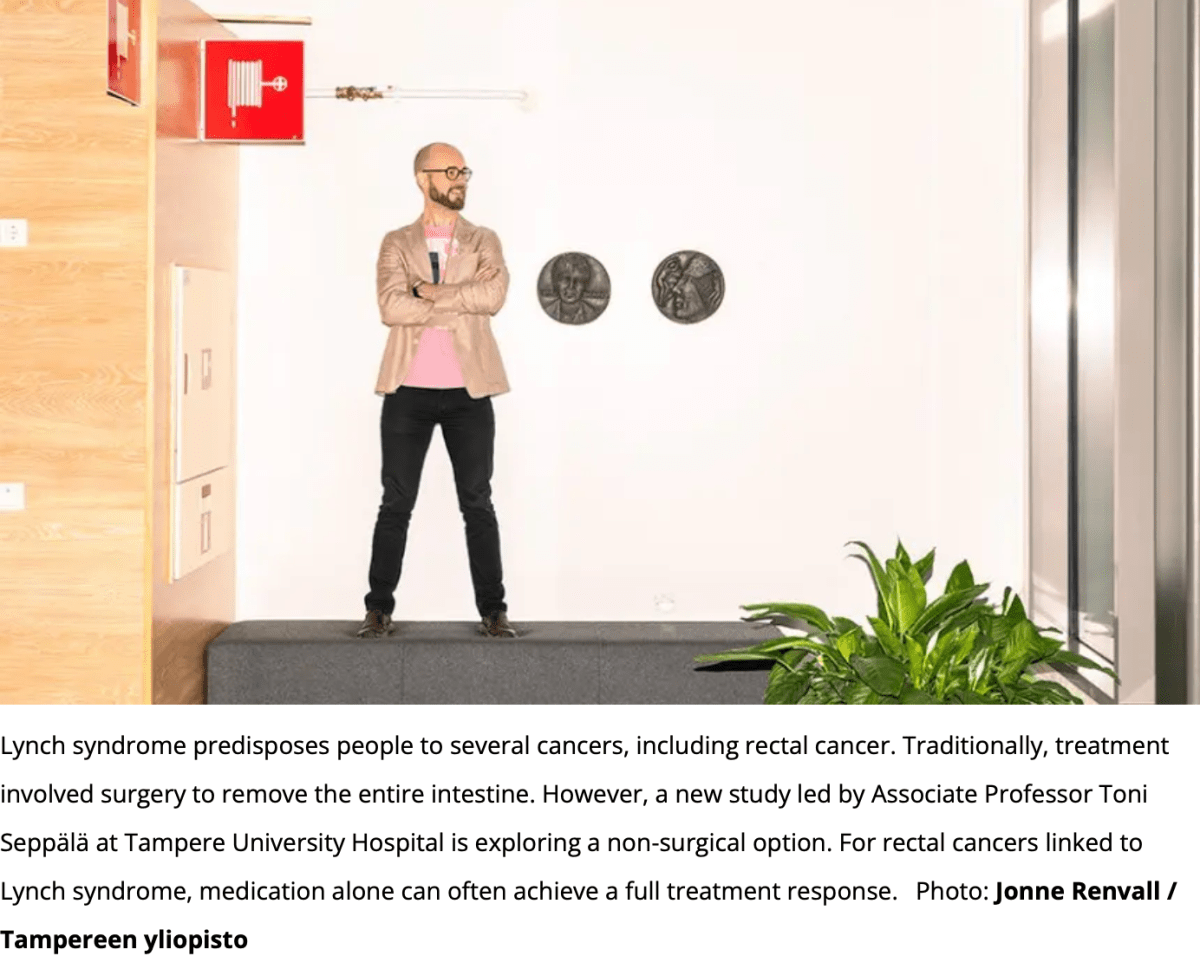
While Lynch syndrome increases the risk of cancer for its carriers, it also provides a unique opportunity to understand disease mechanisms. It is likely that the first preventive cancer vaccine will be specifically developed against cancers caused by Lynch syndrome.
From the individual’s perspective, Lynch syndrome and its prevalence in the population is not a positive thing, but from the research standpoint it is, meaning that the disease can also benefit patients.
“Currently, there is intense development work on cancer-preventive vaccines, which will soon be tested in large patient groups. The most progress has been made with cancers linked to Lynch syndrome. It will be a major breakthrough when we can prevent cancers that we know are likely to develop,” Seppälä says.
In Lynch syndrome, identifying carriers of the genetic mutation is vital because healthcare interventions can greatly benefit these patients. Generally, there needs to be greater awareness in society about the importance of molecular profiling.
 Lynch Syndrome Ireland