Health literacy – clearer cancer communication for better Health

Health literacy is the ability to get, understand and use healthcare information.

The Irish Cancer Society want to empower people with confidence and skills to cope better with their cancer and avoid unnecessary physical and emotional difficulties. 

Clear, efficient communication is vital to help patients to understand and make decisions about their treatment and to manage side-effects. Using established health-literacy friendly techniques can make interactions more effective, saving time and avoiding unnecessary follow-up and service use.

https://www.cancer.ie/cancer-information-and-support/cancer-information/health-literacy-clearer-cancer-communication-for-better-health#empowerment


You’re Young, But It Might Be Cancer

At Digestive Cancers Europe(DiCE), they firmly believe that supporting early detection is essential for better outcomes and improving the quality of life for every patient.

By reading “You’re Young, But It Might Be Cancer,” you will gain valuable insights and perspectives from these brave survivors and contribute to DiCE’s efforts in raising awareness and empowering patients and their families.

https://digestivecancers.eu/youre-young-but-it-might-be-cancer/

The increasing role of cancer genetic counsellors

November 14 was Genetic Counsellor Awareness Day in Ireland and around the world. It’s important to note that it is an ‘awareness’ day rather than an ‘appreciation’ day because genetic counselling is still an under-recognised field. Genetic counsellors are healthcare professionals who provide information and support to families and individuals who are at risk for or affected by a genetic condition.

We have 17 cancer genetic counsellors and two genetic counselling assistants at City of Hope to handle this volume. In contrast, there are five cancer genetic counsellors at St James’s Hospital in Dublin.

Dr O’Shea said the St James’s cancer genetic service welcomed Minister for Health Stephen Donnelly’s announcement of funding to implement the Hereditary Cancer Model of Care in 2025. Genetic counsellors are a key part of delivering optimal oncology care. To respond to the demand for access to cancer genetic testing and counselling, permanent funding for 20 cancer genetic counsellors in oncology care is required nationally to serve a population of 5.3 million people. Additionally, a step forward to increase the capacity of genetic counsellors in the Irish health system is a HSE-funded training pathway.

Colorectal cancer incidence trends in younger versus older adults: an analysis of population-based cancer registry data

Previous studies have shown that colorectal cancer incidence is increasing among younger adults (aged <50 years) in multiple high-income western countries in contrast with stabilising or decreasing trends in incidence in older adults (aged ≥50 years).

The increase in early-onset colorectal cancer, previously seen predominately in high-income western countries, has now been documented in various economies and regions worldwide, marking it as a global phenomenon.

The global reach of this alarming trend calls for innovative tools to prevent and control cancers linked to nutritional attributes, physical inactivity, and excess bodyweight, which might be more challenging to address than the tobacco epidemic.

Educational efforts to increase awareness of the increase in the incidence of early-onset colorectal cancer and its unique symptoms, especially among primary care providers, would have far reaching effects in reducing delayed diagnoses and mortality.

https://www.thelancet.com/journals/lanonc/article/PIIS1470-2045(24)00600-4/fulltext

Managing Neuropathy

Each chemotherapy drug or combination has its own side effects. Most side effects can be easily controlled by medicines. Not everyone will have the same side effects. Your healthcare team will give you information about the side effects that are most likely to affect you. You might find it helpful to keep a note of any that you experience.

Oxaliplatin (Eloxatin®)

You might have tingling or numbness in your hands and feet. This is called peripheral neuropathy. Talk to your medical team if you have these symptoms.

You may get pins and needles, weakness or numbness. This can make it hard to do everyday things like writing, picking up small items and walking. These symptoms can be triggered or made worse by the cold. Your healthcare team may advise you to wear gloves when you use the fridge or freezer and avoid chilled food or drinks for a few days after each treatment.

You may get neuropathy symptoms during your chemotherapy cycle and for up to two weeks afterwards. Symptoms may improve once you finish treatment but in some people, neuropathy can last for months or years after treatment.

Tell your healthcare team if you have any symptoms of neuropathy. If the symptoms are affecting your daily life, your doctor may suggest lowering the dose of oxaliplatin or changing your treatment.

https://twitter.com/bowelcanceruk/status/1868033470100074851

Bowel cancer rising among under-50s worldwide, research finds

Experts are still in the early stages of understanding the reasons behind the rise. The authors of the study, published in the Lancet Oncology, said consumption of junk food, high levels of physical inactivity and the obesity epidemic were likely to be among the factors.

https://www.thelancet.com/journals/lanonc/article/PIIS1470-2045%2824%2900600-4/fulltext

“Ongoing efforts are essential to identify the additional factors behind these trends and to develop effective prevention strategies tailored to younger generations and local resources worldwide.”

The overall number of cases in young adults was still low, with only about one in 20 bowel cancers in the UK diagnosed in people aged under 50.

Sung said it was critical that more people know the symptoms. “Raising awareness of the trend and the distinct symptoms of early-onset colorectal cancer (eg rectal bleeding, abdominal pain, altered bowel habits, and unexplained weight loss) among young people and primary care providers can help reduce delays in diagnosis and decrease mortality,”

Irish Network of Gynaecological Oncology(INGO)

Congratulations to INGO who was selected as the winner of the Patient Project of the Year Award at the Irish Healthcare Awards 2024 for it’s commitment to raising awareness of gynaecological cancer.

INGO comprises over 30 of Ireland’s foremost gynaecological cancer campaigners, researchers and patient advocates(including Lynch Syndrome Ireland).

Check out http://www.thisisGO.ie an online personalised resource for you and yours who have been impacted by a gynaecological cancer.

NCCP

National Cancer Strategy states: The NCCP provides leadership across the continuum of cancer care.

The overall strategic input and impact of the NCCP will continue to be in the following areas:

Leading on the implementation of cancer policy and on
the development of cancer services including in the areas
of prevention and survivorship;

Defining evidence-based guidelines and practice in cancer
care;
Commissioning and monitoring service provision;
Leading on the implementation of capital projects to
ensure optimum patient access to diagnostics and
treatment; and
Developing programmes to promote best practice in
cancer care, including workforce planning and education/
training programmes.

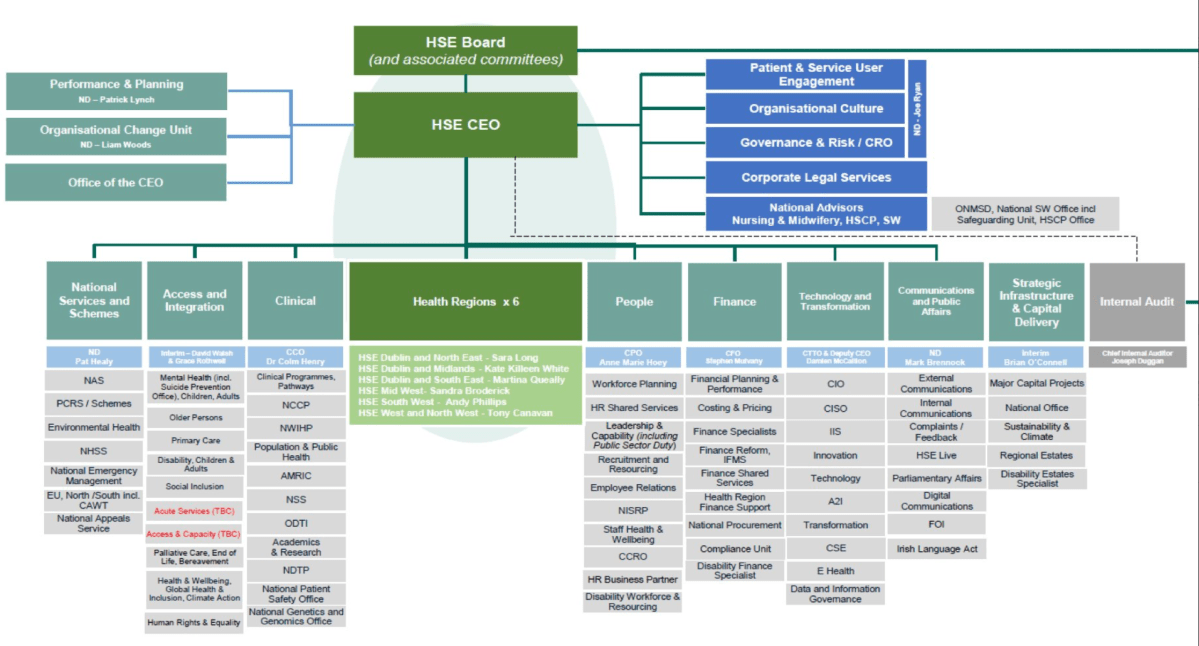
In the New HSE structure NCCP ” appears to have been operationally sidelined.” per https://x.com/mccarthymt7/status/1864072001197125715

Do you agree?

‘Some good friends disappeared from my life’

What I really didn’t expect was some good friends of many years who I had spent a lot of time with simply disappeared out of my life. Some people said, “they obviously weren’t real friends” and initially I agreed, but I now try and be a bit more charitable. I think they probably couldn’t deal with the thought of someone they knew so well having a life-threatening disease or didn’t know what to say.

Tony, 63 was diagnosed with stage 3 colon cancer following a colonoscopy in late 2021, and had surgery and six months of chemotherapy.

He is aiming for a 50-mile run/walk competition in the Lake District in July 2024.

https://www.mission-remission.com/runningforrecovery

The Cancer Gene More Men Should Test For

BRCA mutations are inextricably linked with breasts, but they can also lead to cancer in the pancreas, the prostate, and maybe more parts of the body.

As many as 60 percent of men with changes in BRCA2 develop prostate cancer, yet men are generally far less aware than women that BRCA mutations can affect them at all.

Roughly one in 400 people carry a harmful mutation in BRCA1 or BRCA2, and half of them are men. But women are far more likely to have been tested for the mutations—up to 10 times as likely, according to one study.