Cancer Genetic Appointments

During your appointment, a member of the team will confirm your family history/ family tree details with you and may ask about other medical conditions in your family (where known).

If a cancer genetic alteration (gene fault) exists in your family, or there is a possibility of an inherited genetic alteration, our team will discuss the condition and outline the choices and options available to you.

What is ‘Diagnostic Cancer Genetic Testing’?

Diagnostic cancer genetic testing is helpful when an individual with cancer is unaware of whether a gene alteration is present within their family. A blood test can be taken either from you or an eligible family member (i.e. the blood test must be taken from someone with cancer), to identify any alteration (gene fault) in your DNA. If a cancer gene alteration exists, it may be responsible for causing cancer in you, and/ or in other family members.

What is ‘Predictive Cancer Genetic Testing’?

If a cancer gene alteration is identified in your family, you may opt to undergo a predictive cancer genetic test to determine if you carry your family’s alteration, using a blood sample taken from you.

https://www.stjames.ie/cancer/yourtreatmentandcare/servicesandtreatments/cancergeneticappointments/

The increasing role of cancer genetic counsellors

November 14 was Genetic Counsellor Awareness Day in Ireland and around the world. It’s important to note that it is an ‘awareness’ day rather than an ‘appreciation’ day because genetic counselling is still an under-recognised field. Genetic counsellors are healthcare professionals who provide information and support to families and individuals who are at risk for or affected by a genetic condition.

We have 17 cancer genetic counsellors and two genetic counselling assistants at City of Hope to handle this volume. In contrast, there are five cancer genetic counsellors at St James’s Hospital in Dublin.

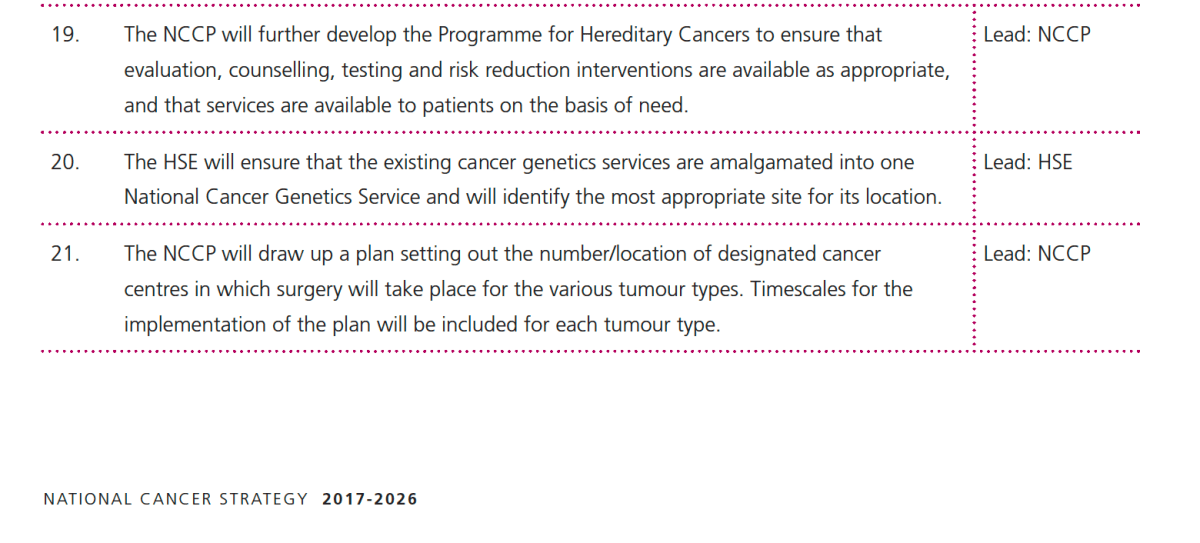
Dr O’Shea said the St James’s cancer genetic service welcomed Minister for Health Stephen Donnelly’s announcement of funding to implement the Hereditary Cancer Model of Care in 2025. Genetic counsellors are a key part of delivering optimal oncology care. To respond to the demand for access to cancer genetic testing and counselling, permanent funding for 20 cancer genetic counsellors in oncology care is required nationally to serve a population of 5.3 million people. Additionally, a step forward to increase the capacity of genetic counsellors in the Irish health system is a HSE-funded training pathway.

Colorectal cancer incidence trends in younger versus older adults: an analysis of population-based cancer registry data

Previous studies have shown that colorectal cancer incidence is increasing among younger adults (aged <50 years) in multiple high-income western countries in contrast with stabilising or decreasing trends in incidence in older adults (aged ≥50 years).

The increase in early-onset colorectal cancer, previously seen predominately in high-income western countries, has now been documented in various economies and regions worldwide, marking it as a global phenomenon.

The global reach of this alarming trend calls for innovative tools to prevent and control cancers linked to nutritional attributes, physical inactivity, and excess bodyweight, which might be more challenging to address than the tobacco epidemic.

Educational efforts to increase awareness of the increase in the incidence of early-onset colorectal cancer and its unique symptoms, especially among primary care providers, would have far reaching effects in reducing delayed diagnoses and mortality.

https://www.thelancet.com/journals/lanonc/article/PIIS1470-2045(24)00600-4/fulltext

Managing Neuropathy

Each chemotherapy drug or combination has its own side effects. Most side effects can be easily controlled by medicines. Not everyone will have the same side effects. Your healthcare team will give you information about the side effects that are most likely to affect you. You might find it helpful to keep a note of any that you experience.

Oxaliplatin (Eloxatin®)

You might have tingling or numbness in your hands and feet. This is called peripheral neuropathy. Talk to your medical team if you have these symptoms.

You may get pins and needles, weakness or numbness. This can make it hard to do everyday things like writing, picking up small items and walking. These symptoms can be triggered or made worse by the cold. Your healthcare team may advise you to wear gloves when you use the fridge or freezer and avoid chilled food or drinks for a few days after each treatment.

You may get neuropathy symptoms during your chemotherapy cycle and for up to two weeks afterwards. Symptoms may improve once you finish treatment but in some people, neuropathy can last for months or years after treatment.

Tell your healthcare team if you have any symptoms of neuropathy. If the symptoms are affecting your daily life, your doctor may suggest lowering the dose of oxaliplatin or changing your treatment.

https://twitter.com/bowelcanceruk/status/1868033470100074851

My Palliative Care Journey

Written by Clodagh Downing: Upon discharge from hospital, I was told that I would be included in Palliative Care in the community which means that I attend the local hospice.

Not everyone who attends their hospice as a patient dies from their disease but many do. Life is part of death and death is part of life. Isn’t it peculiar how we can spend our entire lives running away from the grief and sadness of death?

Clodagh passed away a few days ago surrounded by her family in St. Francis Hospice, Raheny .

She will be sadly missed by all who knew her but she left behind a wonderful legacy.

https://peakd.com/health/@clodaghdowning/my-palliative-care-journey

A genetic mutation can save lives – Lynch syndrome paves the way for cancer vaccines and personalised treatments

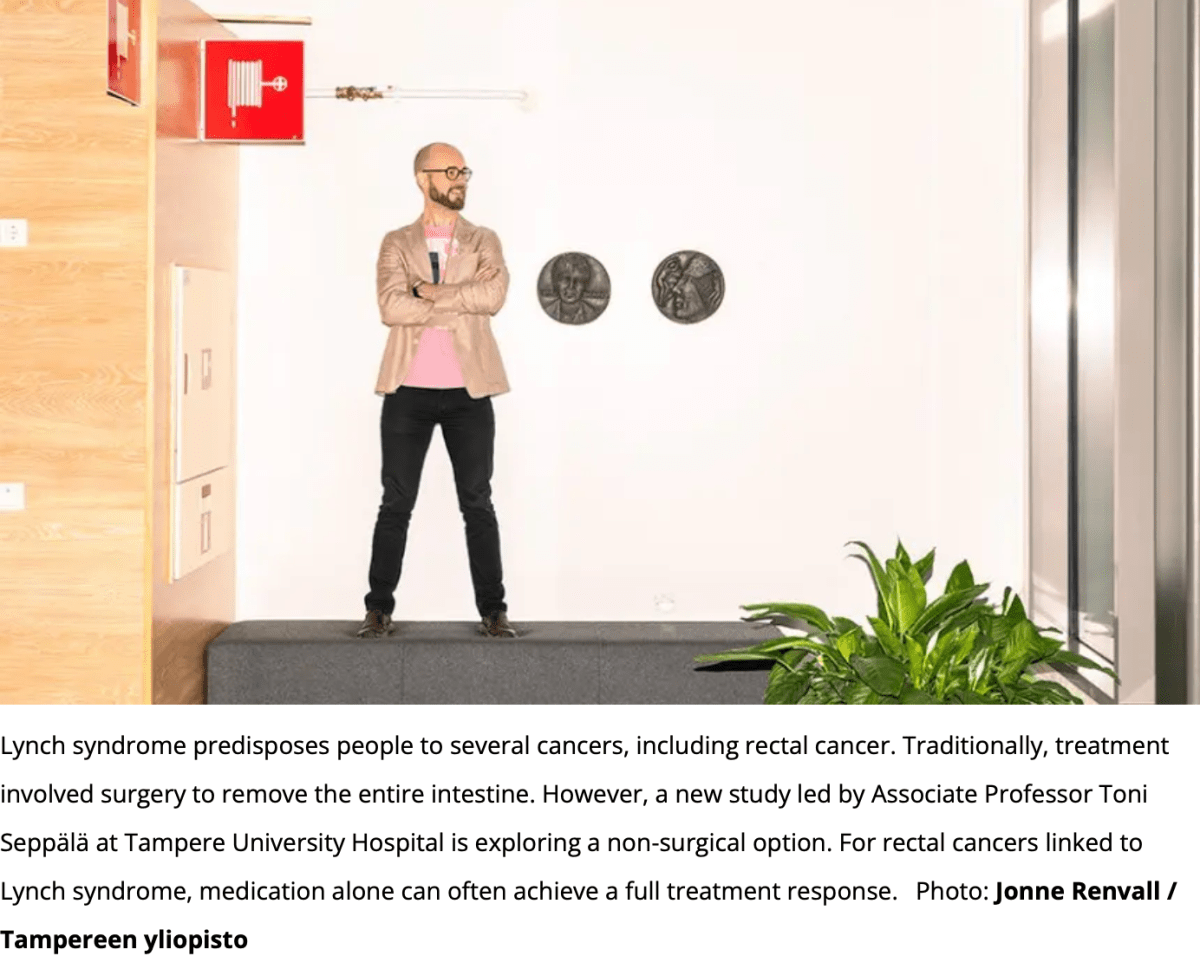
While Lynch syndrome increases the risk of cancer for its carriers, it also provides a unique opportunity to understand disease mechanisms. It is likely that the first preventive cancer vaccine will be specifically developed against cancers caused by Lynch syndrome.

From the individual’s perspective, Lynch syndrome and its prevalence in the population is not a positive thing, but from the research standpoint it is, meaning that the disease can also benefit patients.

“Currently, there is intense development work on cancer-preventive vaccines, which will soon be tested in large patient groups. The most progress has been made with cancers linked to Lynch syndrome. It will be a major breakthrough when we can prevent cancers that we know are likely to develop,” Seppälä says.

In Lynch syndrome, identifying carriers of the genetic mutation is vital because healthcare interventions can greatly benefit these patients. Generally, there needs to be greater awareness in society about the importance of molecular profiling. 

https://www.tuni.fi/en/news/genetic-mutation-can-save-lives-lynch-syndrome-paves-way-cancer-vaccines-and-personalised

Improving Patient Comprehension Through Explanatory Communication

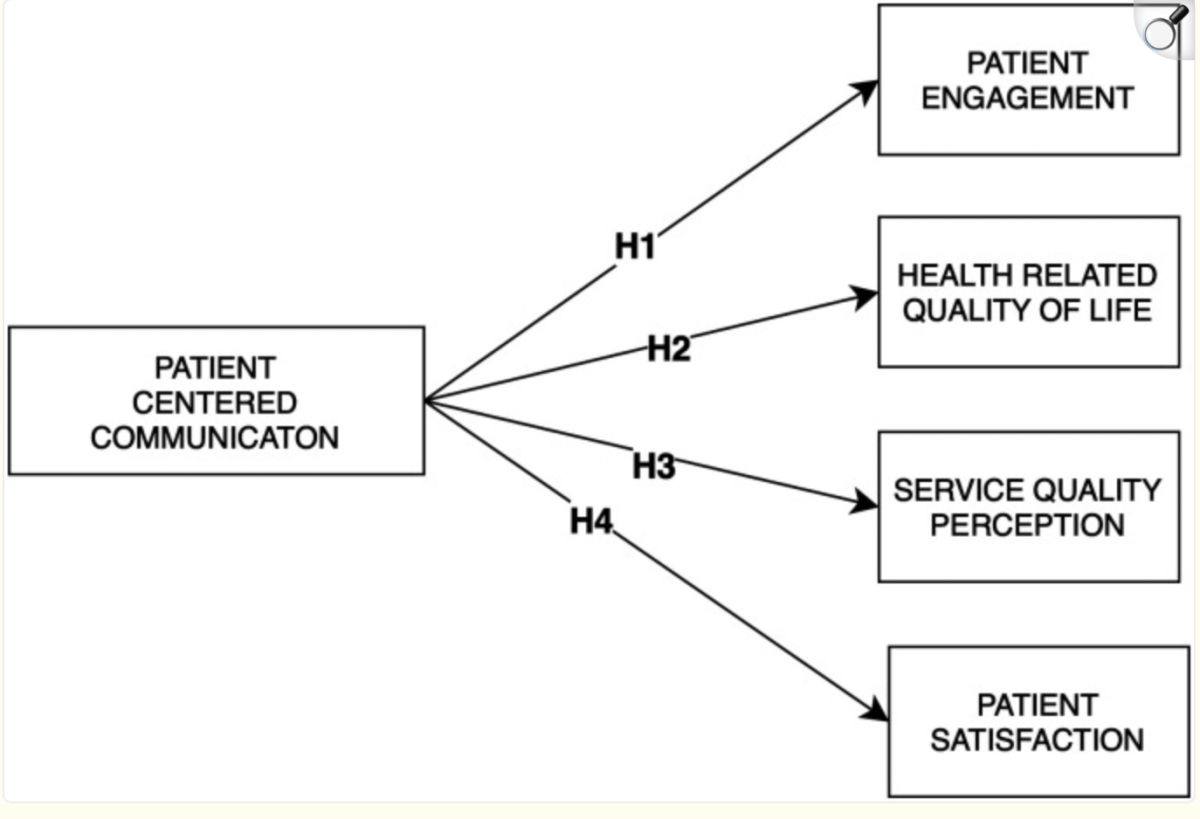
Communication between adult patients with cancer and their health care providers is an important factor in the overall health care experience, contributing to patients’ engagement in treatment, satisfaction with treatment and health care, positive perceptions of health care quality, and ultimately influencing numerous health behaviours and outcomes.

It is important to examine the communication experiences of patients with cancer and the quality of the communication relationship with the service provider, to improve the communication skills of the patient and the service provider, to present patient-centered communication as an integral part of patient-centered care in health systems, and to improve health outcomes by embedding a patient-centered communication perspective.

https://pmc.ncbi.nlm.nih.gov/articles/PMC10901059/#sec23-10732748241236327

Mainstreaming cancer genetics: feasibility of an advanced nurse practitioner-led service diagnosing Lynch syndrome from colorectal cancer in Ireland

https://link.springer.com/epdf/10.1007/s10689-024-00427-7?sharing_token=vcZ4EunQc5ITtewhq4GRV_e4RwlQNchNByi7wbcMAY5LEtPAgAgZTSbin5mUumNCFiB1qx9wTaz4jrQEKpjM0RmHU8LXULyUeLp18KKlkM4J6QaWK0NN9Y0ti8jkfM8NanE_4j6sCuve_66FVrquRuZADCeNjpz0Dj6PlMYN0dE%3D

Conclusion: Access to and timely delivery of specialist cancer genetics services represents a substantial unmet need in Ireland, the requirement for which is projected to increase significantly over the coming years. Our institutional experience confirms the feasibility, efficiency and efficacy of an ANP-led mainstreamed model of care for hereditary colorectal cancer. The development of this service aligns with national healthcare priorities to deliver timely and appropriate cancer genetics services in a coordinated way integrated with the patient’s cancer care pathway. Development and expansion of similar services would facilitate enhanced delivery of cancer genetics services into routine clinical practice, ensuring uniformity, safety, high quality, and cost-effective care. However, this will necessarily require appropriate resourcing and investment.

The English National Lynch Syndrome Transformation Project(UK)

Lynch syndrome affects approximately 1 in 400 individuals and predisposes to multiple cancers including colorectal, endometrial, gastric, small bowel and other tumours. Although a common condition, it is estimated that only 5% of patients with LS are known in the UK.

Lifelong care of people diagnosed with this condition depends on awareness of who this population is.

There is consistent evidence of the cost-effectiveness and clinical benefit of a structured diagnostic pathway in patients with LS following a diagnosis of cancer linked to cascade testing in families. 

Barriers to diagnosis and a manifest deficiency in care for those with LS has been described in the literature as a ‘diffusion of responsibility’. 

An approach to deliver effective diagnosis is to develop ‘mainstreaming’ models whereby patients are offered constitutional genetic testing by their cancer treating teams locally, rather than relying on referral of eligible patients to tertiary services such as clinical genetics.

This has many possible advantages including shorter timescale to diagnosis, effective communication provided through an existing relationship between patients and their clinical teams, and ensuring that eligible patents access testing. This model is associated with high levels of acceptability for patients and clinicians, however relies on the development or new skills by cancer teams.

https://www.bsg.org.uk/clinical-resource/(sss)-english-lynch-syndrome-project

Treating advanced dMMR Endometrial cancer.

Lynch syndrome  is a dominantly inherited cancer syndrome caused by germline pathogenic variants of mismatch repair (MMR) genes. In women with LS, gynaecological cancers are as common as gastrointestinal cancers.

Gynaecological cancer is often the first cancer diagnosis in women with Lynch syndrome.

Reimbursement of new cancer meds is an area where Ireland is increasingly falling behind. Are they expensive? Yes. Is every new ‘innovative’ drug worth its price tag in terms of real world outcomes? No. It’s complex. But now there’s a growing public vs private access divide. @PriscellaLynch

Very informative thread…. https://x.com/mccarthymt7/status/1853202348484747502

List of anti-cancer drugs that are approved by the HSE for the treatment of endometrial cancer in Ireland. Except for dostarlimab. The protocol was included here on the basis of EMA approval and to offer guidance to private hospitals, where the drug is available for this indication. Probably.”

“Summary: Dostarlimab is very effective in treating advanced dMMR endometrial cancer. The public healthcare system in Ireland cannot afford this drug for public cancer patients (it has been fully assessed by the HSE reimbursement process and declined). Private cancer patients can access this treatment. In public hospitals we instead will continue to use less effective therapies, that are not EMA approved.”

LS-related tumours are characterised by a highly immunogenic tumour-environment that can be targeted by specific immune checkpoint inhibitors.